
Best led interior lights for car upgrades come down to three things people usually underestimate: color accuracy, how the light is aimed, and whether the kit plays nicely with your car’s electronics.
If you’ve ever installed “super bright” LEDs and immediately hated the harsh glare, uneven hotspots, or random flicker, you already know why picking interior bulbs isn’t just about lumens. The right choice makes your cabin feel cleaner, more modern, and easier to use at night without turning it into a spotlight.
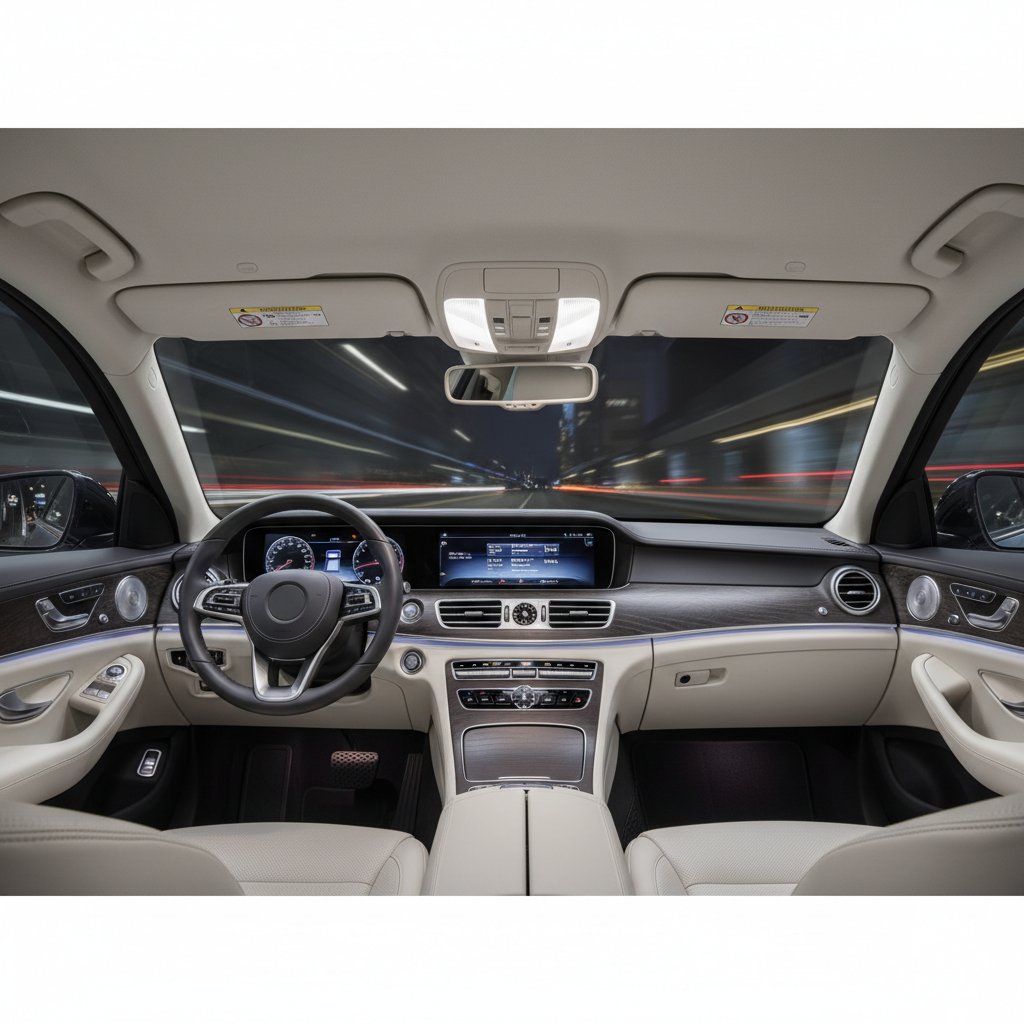
This guide focuses on how to choose interior LEDs that look OEM, reduce eye strain, and install with fewer surprises. I’ll also flag the common “why is it strobing” mistakes that waste the most time.
What “best” means for car interior LEDs (it’s not just brightness)
For most drivers, the best interior lighting feels effortless: bright enough to find things, soft enough not to annoy passengers, and consistent across dome, map, trunk, and vanity lights.
- Beam pattern: Wider, diffused light usually looks smoother than a small cluster that creates bright dots.
- Color temperature (Kelvin): Warm white looks cozy, cool white looks crisp, and pure blue-tinted light often feels cheap.
- CAN bus compatibility: Some vehicles are sensitive to LED load changes, which can trigger flicker or “bulb out” warnings.
- Build quality: Heat management matters. Thin boards and weak solder joints tend to fail early, especially in enclosed housings.
According to NHTSA, interior lighting should not create glare or distractions that interfere with safe driving, which is a good practical rule even when you’re only changing bulbs.
Quick comparison table: types of LED interior lights
Before shopping, identify the bulb format your car uses. Many kits bundle multiple sizes, but you still want the right style for each location.
| Type | Common locations | Pros | Watch-outs |
|---|---|---|---|
| Festoon (31/36/39/41mm) | Dome, trunk, license, some vanity | Easy swap, widely available | Length must match, can rattle if adapters are loose |
| Wedge (T10/194/168) | Map, door, footwell, glove box | Simple plug-in, lots of options | Polarity sometimes matters, hot spots in small housings |
| Panel/COB board | Dome/map conversions | Very even spread, “OEM” look | Adhesive mounting can be messy, may run hotter |
| Chip-on-board (COB) wedge/festoon | Many interior spots | Smoother light than multi-LED dots | Quality varies, cheap versions can discolor |
How to choose the best LED interior lights for your car
When someone asks for the best led interior lights for car use, I usually push them to decide the “feel” first, then match specs. Otherwise you end up chasing brightness and regretting it.
Pick a color temperature you’ll still like after a week
- 3000K–3500K (warm white): Softer, less clinical, good for long night driving.
- 4000K–5000K (neutral white): Balanced, modern, usually the safest bet for most cabins.
- 6000K–6500K (cool white): Crisp and bright, but can feel harsh in small interiors.
If your car has factory LEDs elsewhere (screens, ambient strips), neutral white often blends better than icy blue-white.
Prioritize diffusion and viewing comfort
Many “ultra bright” bulbs use forward-facing chips that blast your eyes when you open a door at night. A diffused or wide-angle design tends to look more premium and is easier on passengers.
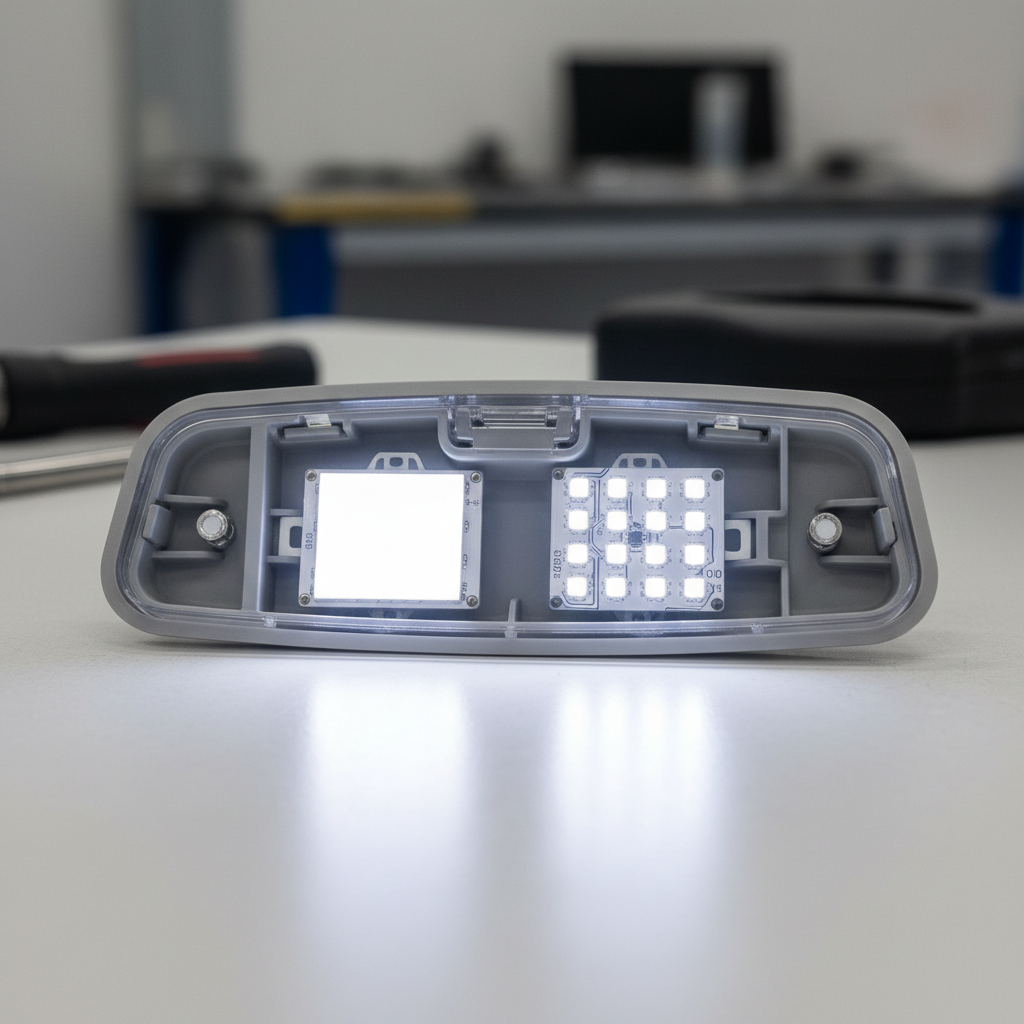
A practical test: stand outside your car at night, open the door, and look at the light from different angles. If it’s painful from the sidewalk, it will feel worse from the driver seat.
Check for flicker risk (especially in newer vehicles)
Flicker usually shows up in three ways: rapid strobing, faint pulsing, or a bulb that stays dimly lit after you “turn it off.” Many cases come from low current draw or PWM dimming in the vehicle.
- Look for CAN bus/error-free claims, but treat them as “more likely” not “guaranteed.”
- If your car is sensitive, you may need a load resistor or a dedicated decoder module, which adds heat and complexity.
- In dome lights with fade-out features, some LEDs behave oddly during the fade. That’s not always a defect.
Match the bulb size and socket style before you buy a kit
Universal kits are convenient, but the “close enough” approach causes most returns. Measure festoon length (in mm) and confirm whether your map lights use T10/194 wedges or a different base.
- Check your owner’s manual or a reputable bulb-fitment tool from an auto parts retailer.
- Inspect housing depth. Some LED boards are physically too tall and won’t let the lens snap back in.
Self-check: which interior LED setup fits your situation?
If you want a quick decision without overthinking specs, use this checklist. It’s not perfect, but it maps well to real buying outcomes.
- You hate glare: choose neutral white + diffused COB style for dome/map, avoid narrow “projector” bulbs.
- You frequently search for items at night: go one step brighter in the trunk and footwell than the dome.
- You drive a newer CAN bus-heavy car: prioritize quality brands, buy from a seller with easy returns.
- You want a consistent OEM look: keep all interior bulbs in the same Kelvin range.
- You just want cheap and quick: buy a small set for dome/map first, then expand after you like the color.
Installation tips that prevent 80% of the headaches
Installing the best led interior lights for car use is usually simple, but tiny mistakes create broken tabs, scratches, and “why doesn’t this work” moments.
Tools and prep
- Plastic trim tool (avoid metal screwdrivers on visible lenses)
- Nitrile gloves or a clean cloth (keeps oils off lenses and chips)
- A small container for clips/screws
Step-by-step (works for most dome/map housings)
- Turn the car off, remove the key, and wait a minute so modules can sleep.
- Pry the lens gently from the notch point, slow pressure beats force.
- Remove the old bulb carefully, halogens can be hot.
- Install the LED, then test before snapping the lens back on.
- If it doesn’t light, flip it 180 degrees if the base is polarity-sensitive.
For cars with complex electronics, it can be sensible to consult a qualified installer, especially if you’re adding resistors or tapping wiring for ambient lighting.
Common mistakes (and what to do instead)
Most complaints about interior LEDs come from predictable mismatches. Fixing them often means buying “less extreme,” not “more powerful.”
- Mistake: picking the highest lumen bulb for every position.
Better: balance brightness by location, dome moderate, trunk/footwell brighter. - Mistake: mixing different color temps across the cabin.
Better: pick one Kelvin range and stick with it. - Mistake: ignoring heat in enclosed housings.
Better: choose bulbs with good thermal design, and avoid oversized panels in tiny fixtures. - Mistake: “error-free” assumptions.
Better: buy from a brand/retailer with clear fitment notes and returns.
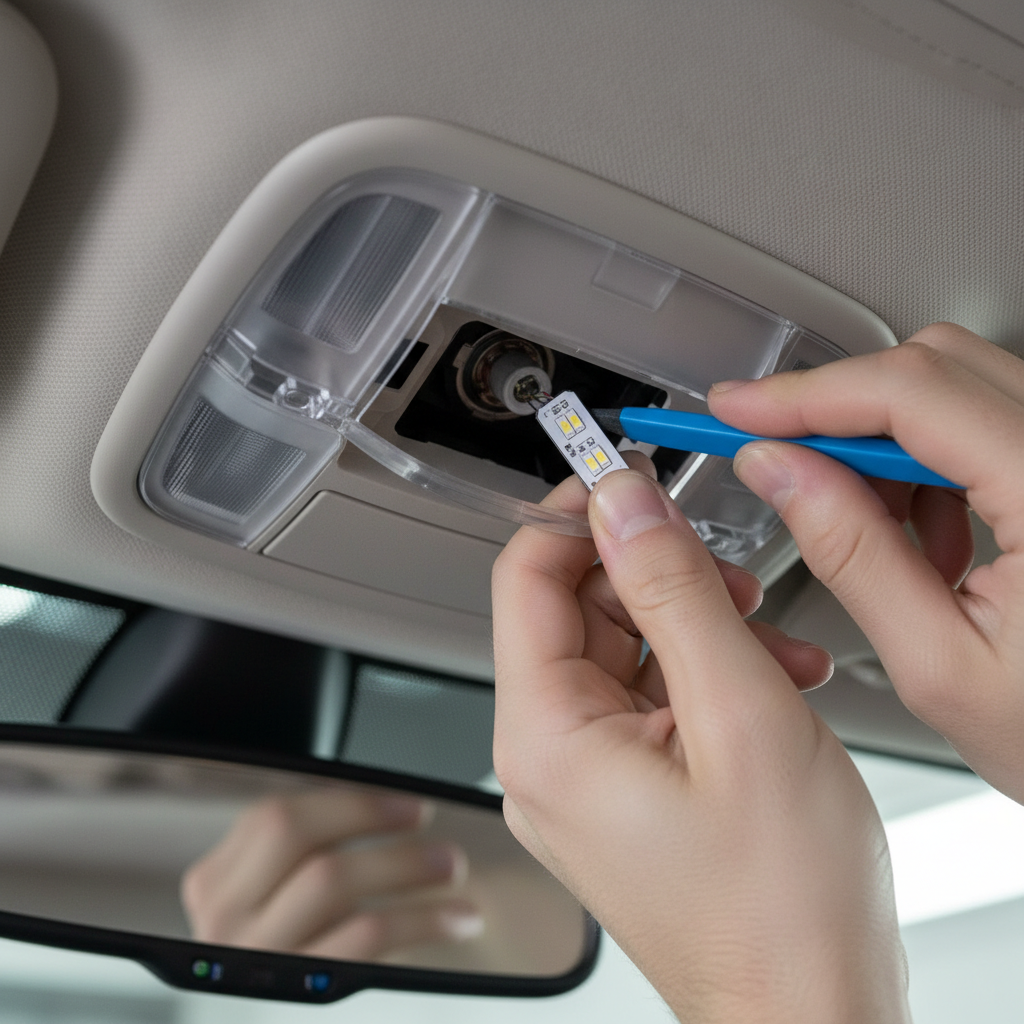
Key point: If you see flicker, don’t immediately assume the bulb is “bad.” Try a different bulb style (diffused COB vs multi-chip), then consider a decoder only if the issue persists.
Recommended buying approach (without naming random “top 10” brands)
Because product availability changes fast and quality varies within the same marketplace listing, a safer path is choosing by criteria, then shortlisting options that meet them.
- Look for: consistent Kelvin specs, clear bulb dimensions, and photos that show beam spread.
- Prefer: sellers that publish vehicle fitment guidance and a real return policy.
- Avoid: listings that only market “super bright” with no mention of heat design or compatibility.
If you’re upgrading multiple locations, consider buying a small “test set” first. Once you like the color and output, complete the cabin with matching bulbs.
Conclusion: a clean interior LED upgrade is mostly about balance
The best led interior lights for car setups usually aren’t the brightest possible, they’re the ones that feel even, match color across the cabin, and behave normally with your car’s dimming and monitoring.
- Action step 1: Decide on 4000K–5000K if you want a safe, modern look.
- Action step 2: Start with dome and map lights, confirm no flicker, then expand to trunk, glove box, and vanity.
If you want, share your vehicle year/make/model and which locations you plan to replace, and I can help you narrow the bulb types and the compatibility questions before you order.