
The best power steering fluid for cars is the one that matches your owner’s manual spec, not the one with the loudest marketing claim, because the wrong chemistry can trigger noise, leaks, or slow steering feel.
If you’re here because your wheel feels heavy at low speed, you hear a whining sound on turns, or you’re topping off fluid too often, you’re not alone, most people only think about power steering fluid when something feels off.
This guide breaks down what actually matters in 2026, how to identify what your car needs, and how to choose between OEM fluid, ATF-based options, and “universal” fluids without guessing.
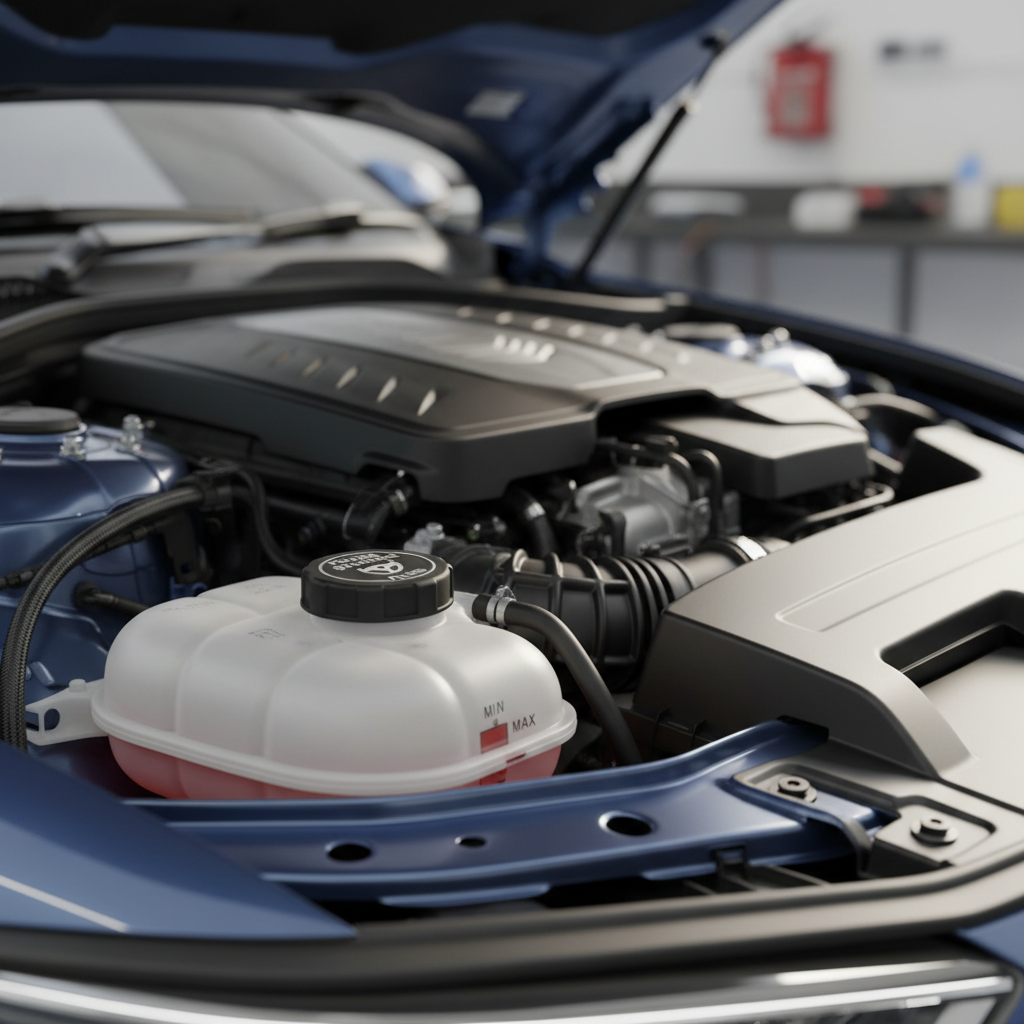
Quick picks: what “best” usually means in real life
There isn’t one winner for every vehicle, because power steering systems vary, some use dedicated hydraulic fluid, some specify ATF, and some newer vehicles use electric power steering and need no fluid at all.
- Best for most drivers: the exact OEM-spec fluid listed in the manual or on the reservoir cap
- Best for older high-mileage systems: an OEM-spec fluid plus seal-safe conditioning, but only if the label explicitly supports your spec
- Best for cold climates: correct spec fluid with strong low-temperature flow, wrong viscosity often shows up as morning groan
- Best budget move: don’t “upgrade” fluid type, just buy the correct spec and keep the level correct
Key point: if a bottle does not clearly state compatibility with your required spec, treat it as a risk, even if it says “universal.”
Power steering fluid types (and why mixing gets people in trouble)
Most shopping mistakes come from assuming power steering fluid is one product category, it isn’t. You’re choosing a chemistry and viscosity that your seals, pump, and rack were designed around.
Common fluid categories you’ll see
- OEM-specific hydraulic power steering fluid: often used by many European brands and some Asian makes, sometimes mineral-based, sometimes synthetic
- ATF-based systems: many vehicles specify Dexron/Mercon-type ATF for the steering system, the reservoir may even say “Use ATF”
- “Universal” power steering fluid: blended to cover many applications, but coverage varies, the label matters more than the front branding
- Electro-hydraulic steering: still uses fluid, but may require a very specific OEM fluid due to pump design
Mixing incompatible fluids can swell seals, thin out the blend, or create foaming, which is why people top off once and suddenly get noise. According to AAA maintenance guidance, using the correct fluid type and keeping fluids at proper levels helps prevent avoidable component wear.
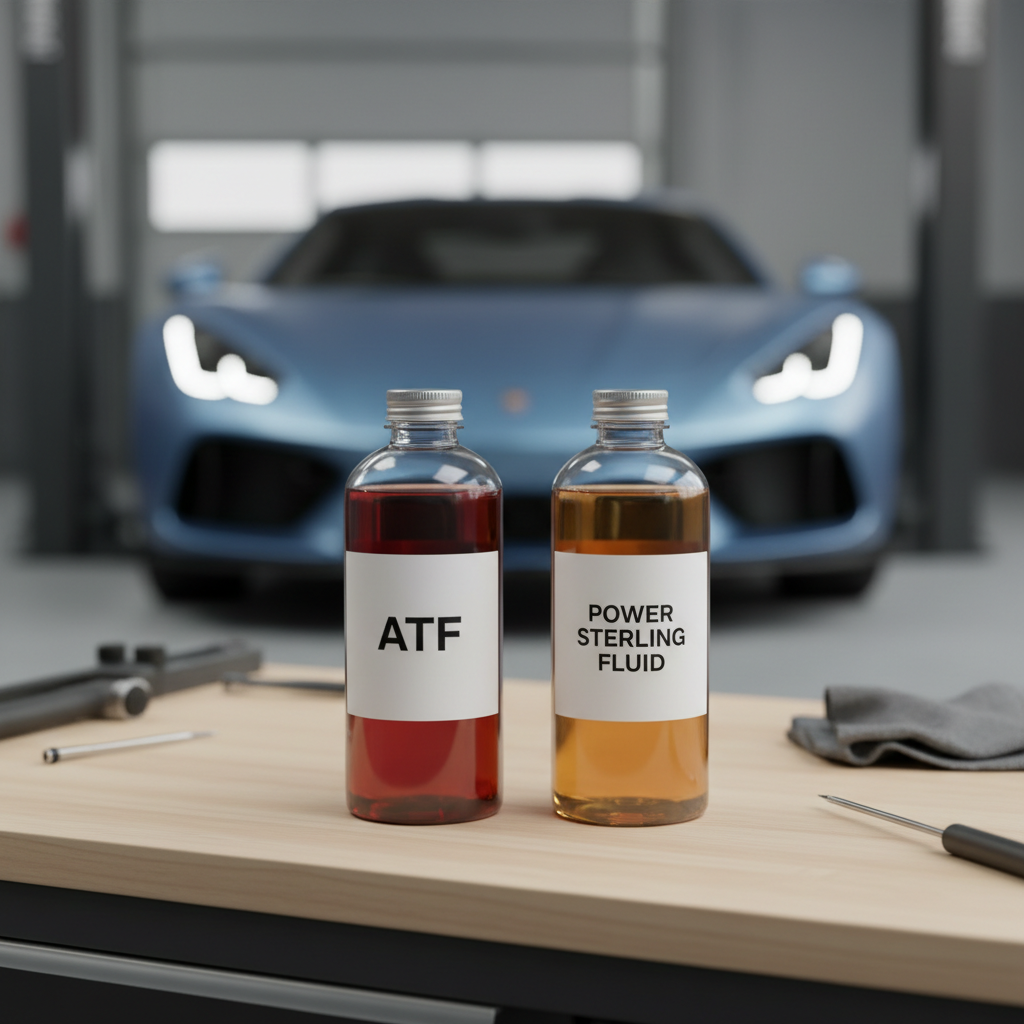
How to tell what your car needs in 3 minutes
Before you buy anything, do a quick “spec check.” This is the step people skip, then they end up searching for the best power steering fluid for cars after the system starts whining.
- Owner’s manual: look under “Capacities and Specifications” or “Fluids and Lubricants,” it may list an OEM part number or a fluid standard
- Reservoir cap or label: many cars print “Use ATF Dexron” or a specific fluid name right on the cap
- Service history: if the system has been repaired, confirm what was filled, don’t assume it stayed OEM
- Vehicle reality check: if you have electric power steering (EPS), there may be no pump or reservoir at all
If your manual calls for a brand-specific fluid (common on some European makes), treat that as a hard requirement unless a fluid explicitly states the same spec on the back label.
Best power steering fluid for cars: a practical comparison table
Use the table as a decision shortcut, then validate against your manual. The “best” option is the one that matches your spec and your use case, not necessarily the most expensive bottle.
| Use case | What to buy | Why it works | Watch-outs |
|---|---|---|---|
| Most daily drivers with clear OEM spec | OEM fluid or licensed equivalent matching the spec | Correct viscosity, additive package, seal compatibility | Don’t substitute “universal” unless it lists your spec |
| System specifies ATF (Dexron/Mercon) | The exact ATF grade required | Designed for hydraulic pumps and valves | Wrong ATF version can change feel, cold noise |
| High-mileage, minor seepage, no active leaks | OEM-spec fluid with mild seal conditioners | May reduce seepage and noise in some cases | If you have a drip, conditioner won’t fix a torn seal |
| Cold-weather steering groan at start-up | Correct spec with strong low-temp flow | Less aeration, smoother pump prime | Overfilling can still cause foaming and noise |
| Unknown fluid in system | Do a proper flush to your required spec | Removes mixed chemistry and debris | Some vehicles need careful bleeding, consider a shop |
Self-check: symptoms that point to fluid vs. bigger problems
Fluid choice matters, but it’s not magic. If you’re trying to pick the best power steering fluid for cars because steering feels wrong, do this quick sorting first.
More likely fluid-related
- Fluid level below MIN, especially after a cold snap
- Light whining when turning at idle that improves after topping off with correct spec
- Fluid looks dark or smells burnt, on a vehicle with long service intervals
- Small seepage around hose crimps, rack boots still dry
More likely mechanical (fluid won’t solve it)
- Steering jerks or binds in one direction
- Loud groan even with correct level, especially if bubbles keep returning
- Wet rack boots, puddles under the car, or repeated low-fluid events
- Metallic glitter in fluid, which can indicate pump wear
According to NHTSA, loss of power steering assist can affect vehicle control, if steering effort suddenly increases or you suspect a leak, it’s worth treating it as a safety issue rather than a “maintenance later” item.
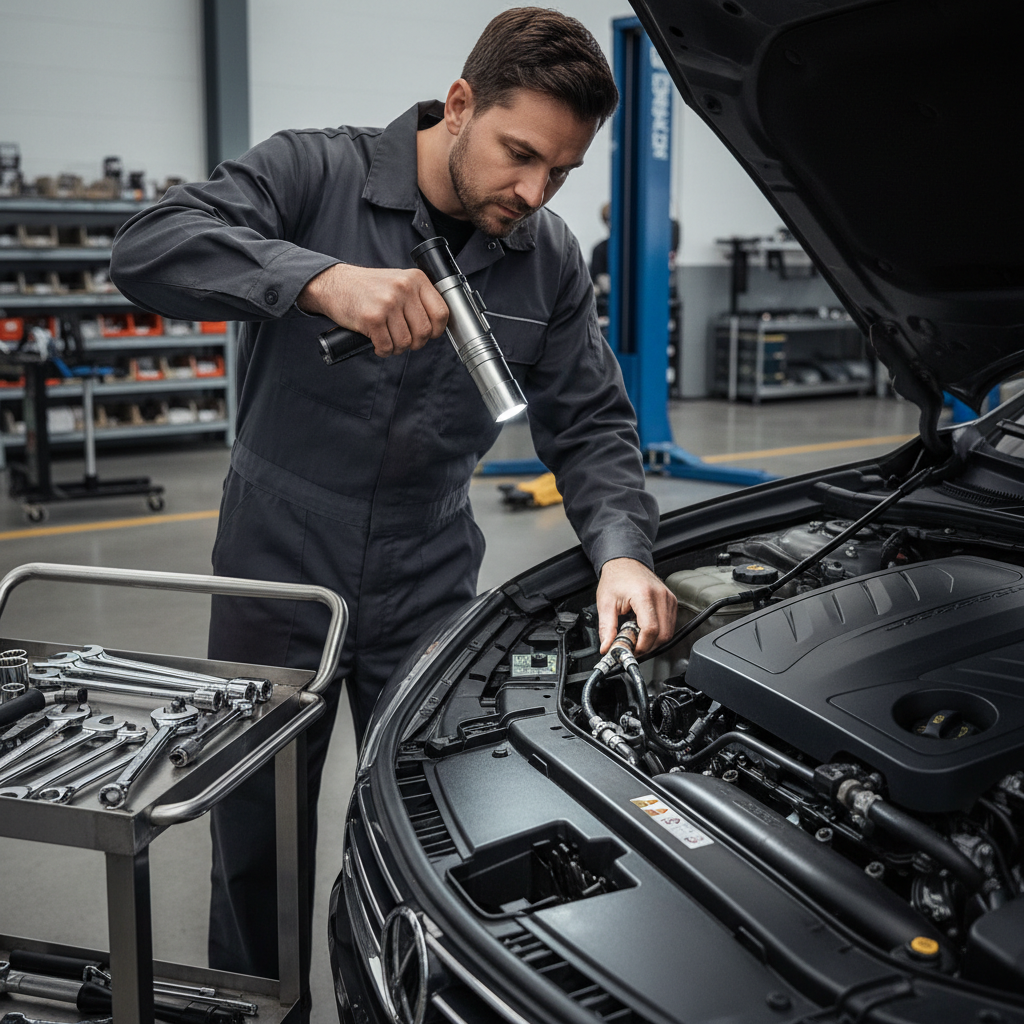
How to top off or flush power steering fluid (without making it worse)
If the system is just low, a careful top-off is often enough. If the fluid is wrong, burnt, or contaminated, a flush makes more sense. Either way, cleanliness matters more than people expect.
Top-off steps (quick and safe)
- Confirm the spec from the manual or cap, then buy that exact type
- Clean the reservoir area so dirt doesn’t fall in when you open it
- Add small amounts, recheck, stop between MIN and MAX, avoid filling to the brim
- Cycle the wheel lock-to-lock a few times with the engine running, then recheck level
Flush overview (when you need a reset)
- Use a turkey baster or fluid extractor to remove old fluid from the reservoir
- Refill with correct spec, cycle steering, repeat a few times until fluid looks clean
- For a full line-off flush, follow a vehicle-specific procedure, bleeding varies by model
If you see persistent foam after cycling, stop and reassess, aeration can damage the pump and may point to a suction-side leak.
Mistakes to avoid when shopping “universal” fluids
“Universal” is where the marketing gets fuzzy. Sometimes it’s fine, sometimes it creates a slow problem that shows up weeks later as noise or seepage.
- Assuming color means type: red often suggests ATF, but dye isn’t a spec
- Ignoring fine print: the compatibility list on the back matters more than the front label
- Mixing brands and chemistries: even within “power steering fluid,” additive packages differ
- Using stop-leak as a first move: it may mask leaks, but it can also change seal behavior, use only when appropriate and compatible
If you’re caring for a newer car and you want long component life, the boring choice tends to win, match spec, keep level correct, fix leaks early.
When to get professional help (it’s not just about convenience)
A shop visit makes sense when symptoms suggest air ingress, active leaks, or internal wear. Many cases look like “fluid choice” online, but the real issue is a hose clamp, an O-ring, or a rack seal.
- Fluid drops again within days, even after topping off
- Steering gets heavy suddenly, especially at low speed
- You hear loud groaning plus see bubbles, which can indicate suction leaks
- You’re unsure whether your vehicle uses EPS, electro-hydraulic, or traditional hydraulic assist
Ask the shop to document the fluid spec used on the invoice, it saves you guesswork next time and reduces the odds of incompatible top-offs.
Conclusion: the “best” choice is the correct spec, plus good habits
The best power steering fluid for cars usually isn’t a secret product, it’s the right fluid standard for your system, added cleanly, kept at the right level, and paired with fixing leaks instead of chasing additives.
- Action step 1: check the cap or manual today, write the exact spec in your phone notes
- Action step 2: if you top off more than once, inspect for leaks or schedule a diagnosis
If you want, tell me your year, make, model, and engine, plus what the reservoir cap says, and I can help you narrow down the right fluid type and whether a top-off or flush fits your situation.