
The best car wheel weight for balancing is the one that matches your wheel style (steel vs alloy), your shop tools, and your local rules on materials, not just the one with the lowest price.
If you have steering vibration at highway speeds, a “mystery shimmy” after a tire install, or customer comebacks in a small shop, wheel weights are often where the fix lives. The frustrating part is that two weights can look similar, yet behave very differently once the wheel heats up, sees salt, or gets hit by a curb.
This guide breaks down the common wheel weight types, when each works best, what to avoid, and a quick way to choose confidently. I’ll also add a practical checklist and a comparison table you can use at the counter.
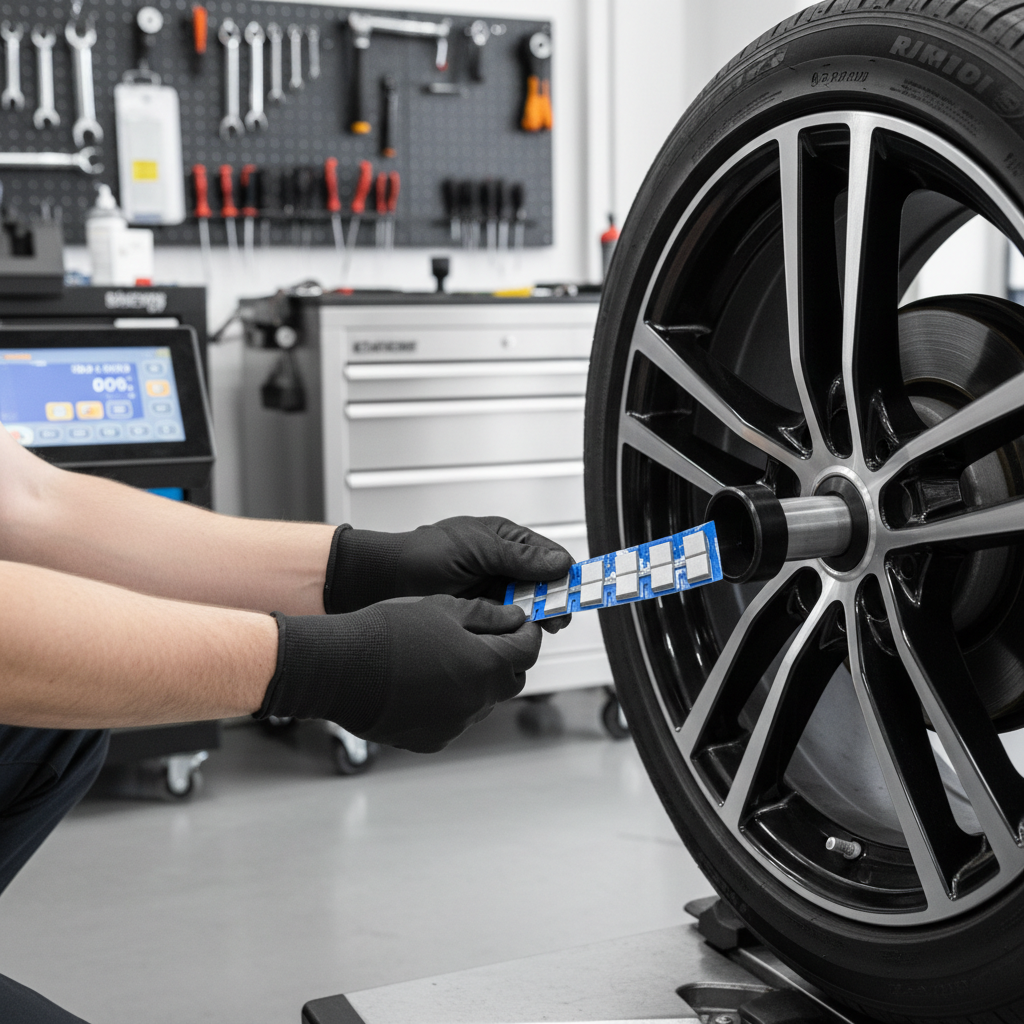
What wheel weights actually do (and why “good enough” isn’t)
Wheel weights correct imbalance, meaning the tire-and-wheel assembly has a “heavy spot” that creates vibration as speed rises. Even a small mismatch can feel big on today’s stiffer suspensions and low-profile tires.
Two details matter more than most people expect:
- Placement accuracy: modern balancers assume you place weight exactly where indicated, small errors stack up.
- Retention: if a weight shifts or falls off, the balance job effectively disappears.
According to NHTSA, maintaining tires and related components in good condition helps reduce crash risk; while wheel balance is not the only factor, vibration and abnormal wear are common “something’s off” signals you should not ignore.
Types of wheel weights: clip-on, stick-on, and specialty options
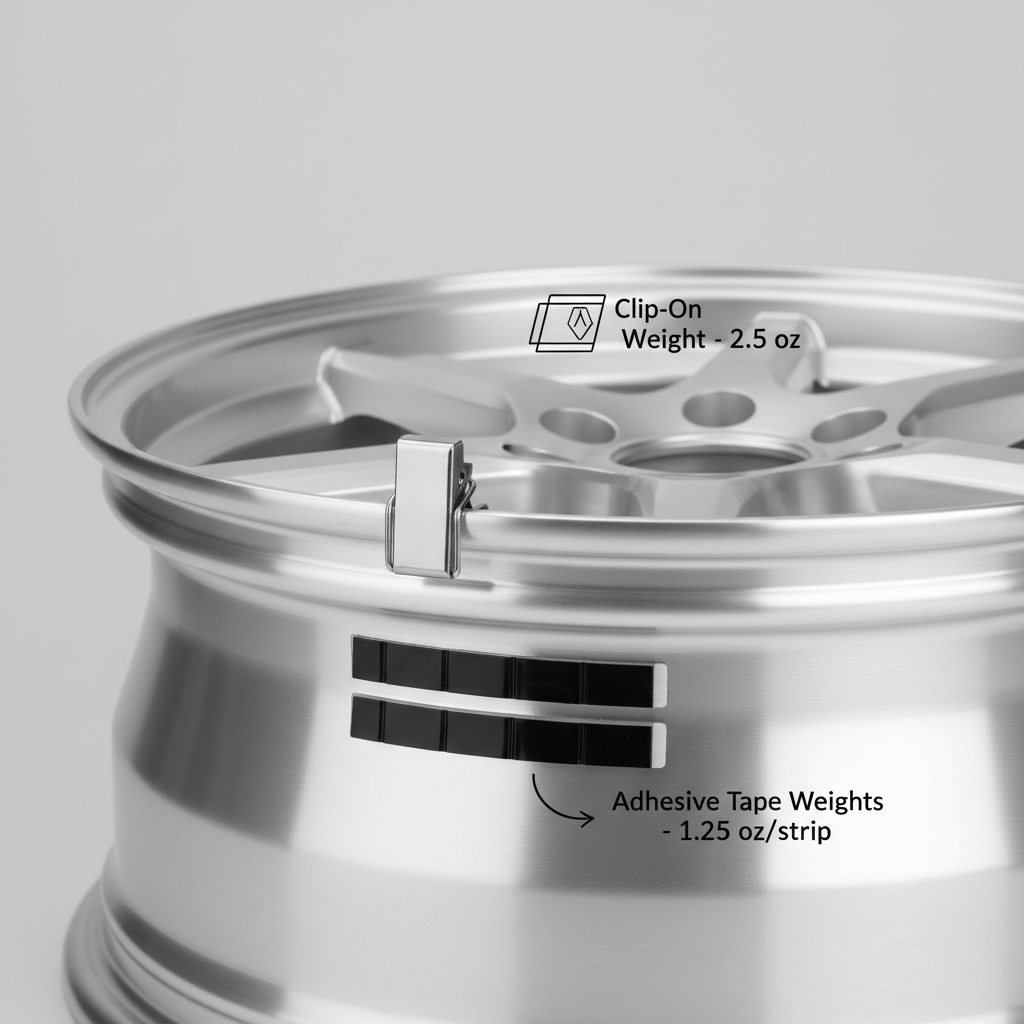
Most choices fit into two families: clip-on weights that grab a wheel flange, and adhesive (stick-on) weights that bond to the inner barrel. Specialty options are usually variations of these two.
Clip-on (hammer-on) weights
Clip-ons are fast, durable, and common on steel wheels and many OEM alloy designs that accept a clip. They rely on the correct clip style for the wheel flange shape and thickness.
- Best for: steel wheels, many OEM alloys designed for clip weights, higher abuse environments.
- Watch out for: wrong clip profile can scratch, fit loose, or sit crooked and cause repeat imbalance.
Stick-on (adhesive) weights
Stick-ons are the go-to for many aftermarket alloys and any wheel where you want a cleaner look. They also help when the flange design makes clip fit unreliable.
- Best for: alloy wheels, show/appearance-sensitive wheels, many modern vehicles.
- Watch out for: poor surface prep and cheap tape, both cause “weight loss” after heat cycles.
Coated, low-profile, and “tape segment” variants
You’ll see coated clip-ons to reduce corrosion, low-profile stick-ons for tight barrel clearance, and segmented tape strips (0.25 oz steps are typical in the US). These are not gimmicks, they’re about fit and longevity.
Material choices: steel vs zinc vs lead (and what US shops run into)
Material impacts corrosion, pliability, and regulations. In the US, rules can vary by state and customer preference, so it’s worth checking what applies in your area.
- Steel: common today, usually coated; tends to resist deformation and holds up well, but coating quality matters.
- Zinc: corrosion resistant, often used for clip-ons; a solid middle ground for many shops.
- Lead: very workable and easy to fine-tune, but frequently restricted or discouraged for environmental reasons.
According to the U.S. Environmental Protection Agency (EPA), reducing lead use in products helps limit environmental contamination, which is why many fleets and shops lean toward lead-free weights even where not legally required.
Quick comparison table: picking the best wheel weight for your scenario
Use this as a quick “what should I stock” reference. Real-world results still depend on correct size selection and installation.
| Scenario | Recommended type | Why it works | Main risk |
|---|---|---|---|
| Steel wheels, daily drivers, fleets | Clip-on (steel or zinc, coated) | Fast install, strong retention | Wrong clip style damages fit or finish |
| Aftermarket alloy wheels, appearance matters | Stick-on tape weights (low-profile if needed) | Cleaner look, flexible placement | Poor prep causes tape failure |
| Corrosion/salt regions | Coated steel or zinc; premium tape for stick-ons | Better resistance to rust and delamination | Cheap coatings flake, tape lifts in cold/wet |
| High-performance wheels with tight clearance | Low-profile stick-ons; precise placement | Avoids caliper/barrel contact | Incorrect placement reintroduces vibration |
| Customer returns: “weights keep falling off” | Stick-on with better tape + prep, or correct clip-on fit | Fixes the underlying retention problem | Blaming the weight when the surface is dirty |
A practical self-check: what should you buy for your wheels?
If you’re a DIYer, this is how you avoid buying a box of weights you can’t use. If you run a shop, it’s a quick way to standardize decisions across techs.
- Wheel material: steel wheel usually tolerates clip-on well; alloy often prefers tape weights.
- Flange design: if the wheel has a clear clip weight seat, clip-on may be fine; if not, plan on stick-on.
- Clearance: big brakes and tight barrels often need low-profile stick-ons placed precisely.
- Environment: snow states and coastal areas benefit from better coatings and higher-grade adhesive tape.
- Your tools: do you have a proper roller, cleaning supplies, and the right hammer/pliers for clip-ons?
- Local restrictions: lead may be limited by state rules or shop policy.
If you check three boxes in favor of tape weights, don’t fight it, go adhesive and focus on prep. If you check three boxes for clip-ons, prioritize correct clip style over brand name.
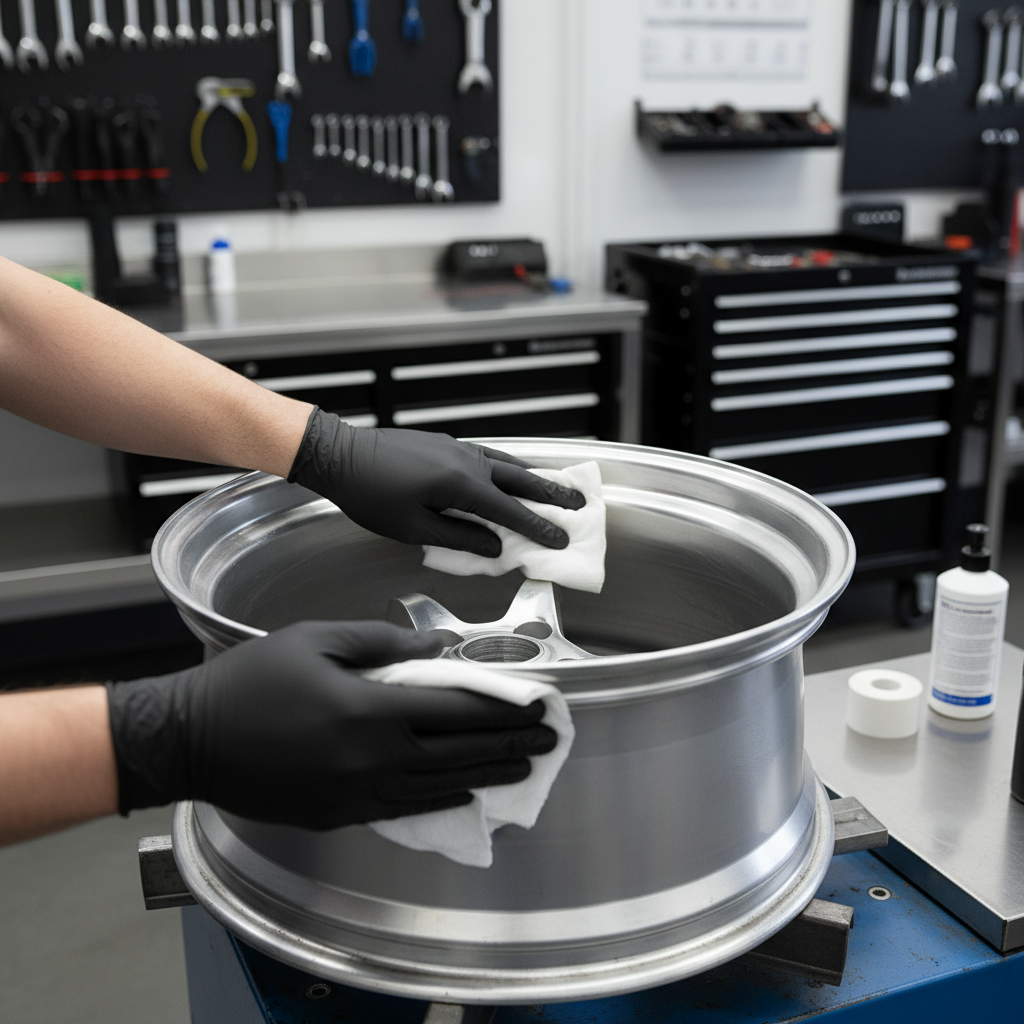
Installation tips that decide whether weights stay put
Most “bad wheel weights” complaints are really bad installation conditions. This is where the best car wheel weight for balancing either looks brilliant or looks like a waste of money.
For stick-on weights
- Clean to bare, dry metal: remove brake dust, old adhesive, and tire shine overspray; alcohol wipe and let it flash off.
- Mind temperature: tape likes moderate temps; in cold shops, warm the wheel area slightly rather than forcing adhesion.
- Use firm pressure: press and roll along the whole segment, especially the ends.
- Place on a flat surface: curved or textured barrels reduce contact area and long-term hold.
For clip-on weights
- Match the clip: Toyota-style, Honda-style, European profiles, and universal clips are not interchangeable in practice.
- Seat squarely: a cocked weight can “read” fine on the machine but shift later.
- Avoid over-hammering: excessive force can deform the clip or wheel edge, especially on softer alloys.
After install, a quick spin check and a visual verify save time. If the balancer calls for split weights, do it, the machine usually has a reason.
Common mistakes (the ones that cause comebacks)
- Using the wrong weight style for the wheel: tape weights on dirty barrels, or clip-ons on a flange that barely has a seat.
- Skipping recalibration habits: if your balancer drifts, you’ll chase “phantom” imbalance no matter what you stick on.
- Hiding weights without using “hidden mode” correctly: placement errors show up as persistent vibration at 55–75 mph.
- Ignoring runout: a wheel can be balanced yet still shake from bent rim, tire uniformity issues, or improper mounting.
Also, don’t assume more weight means better. If you keep stacking ounces, it’s often a mounting issue, wrong adapter, or a damaged tire or rim.
When to involve a tire shop or a pro balancer
If vibration persists after a careful balance, it may be time for a deeper look. A reputable shop can check wheel runout, tire uniformity, and mounting accuracy with the right adapters. In some cases, a road force measurement helps identify a tire that “balances” but still rides rough.
Safety-wise, if you feel severe shaking, pulling, or hear unusual noises after any wheel work, driving may be risky. It’s reasonable to stop and consult a qualified technician rather than trying repeated DIY rebalances.
Conclusion: the “best” wheel weight is the one that fits your wheel and your reality
The best car wheel weight for balancing usually comes down to a simple match: clip-ons when the flange and use-case support it, stick-ons when appearance, clearance, or wheel design make tape the smarter choice. Spend your effort on correct fitment and installation discipline, that’s where long-term results come from.
If you want one next step, pick your wheel type, then standardize one quality option you can install consistently, and keep a short prep kit on hand so weights stay where you put them.
Key takeaways
- Choose by wheel design, not by price or “universal” claims.
- Stick-on success depends on cleaning, temperature, and pressure.
- Clip-on success depends on correct clip profile and proper seating.
- If you keep needing lots of weight, check for runout or mounting issues.
FAQ
- What is the best car wheel weight for balancing alloy wheels?
In many cases, adhesive stick-on weights work best for alloy wheels because they preserve appearance and avoid flange damage, assuming the barrel surface is cleaned and dry. - Are clip-on weights bad for aluminum rims?
Not automatically, but the wrong clip style or heavy-handed installation can scratch or distort the edge. For appearance-sensitive wheels, tape weights are often the safer bet. - Why do stick-on wheel weights fall off after a week?
The usual causes are brake dust, old adhesive, moisture, or cold-temperature installation that prevents the tape from bonding well. Better prep and better tape grade typically fix it. - Do I need lead wheel weights for a smoother ride?
Not necessarily. Lead is workable, but steel or zinc weights can balance just as well when placed correctly. Local restrictions and shop policies may also steer you away from lead. - How many ounces of weight is “too much” on a wheel?
There isn’t a single cutoff, but unusually high weight often suggests a mounting, adapter, tire, or rim issue. Many shops re-check setup before accepting a large correction. - Can wheel weights fix vibration if my tire is out of round?
Weights correct imbalance, not shape problems. If a tire or wheel has runout or uniformity issues, balancing may reduce shake but not eliminate it. - Is it okay to reuse old wheel weights?
Clip-ons are sometimes reused if they fit correctly and aren’t deformed, but it’s not always worth the risk. Tape weights usually should not be reused because the adhesive bond degrades.
If you’re trying to reduce comebacks or you just want a more predictable result, it can help to standardize a small set of weight types for the wheels you see most, then keep your prep process consistent so you’re not relying on luck to get a smooth ride.