
Best car air freshener long lasting usually comes down to two things people don’t expect: how the scent is released (slow vs. “all at once”), and what you’re trying to cover up (food, smoke, mildew, pets, or just daily life).
If you’ve ever bought a “top-rated” freshener that smelled amazing for two days and then disappeared, you’re not alone, most products are designed for a quick first impression, not a steady, controlled release that survives real driving conditions.
This guide helps you pick what actually lasts in a U.S. car environment: hot dashboards, freezing mornings, and constant airflow. You’ll also get a quick self-check, a comparison table, and a few practical habits that keep odors from coming back.
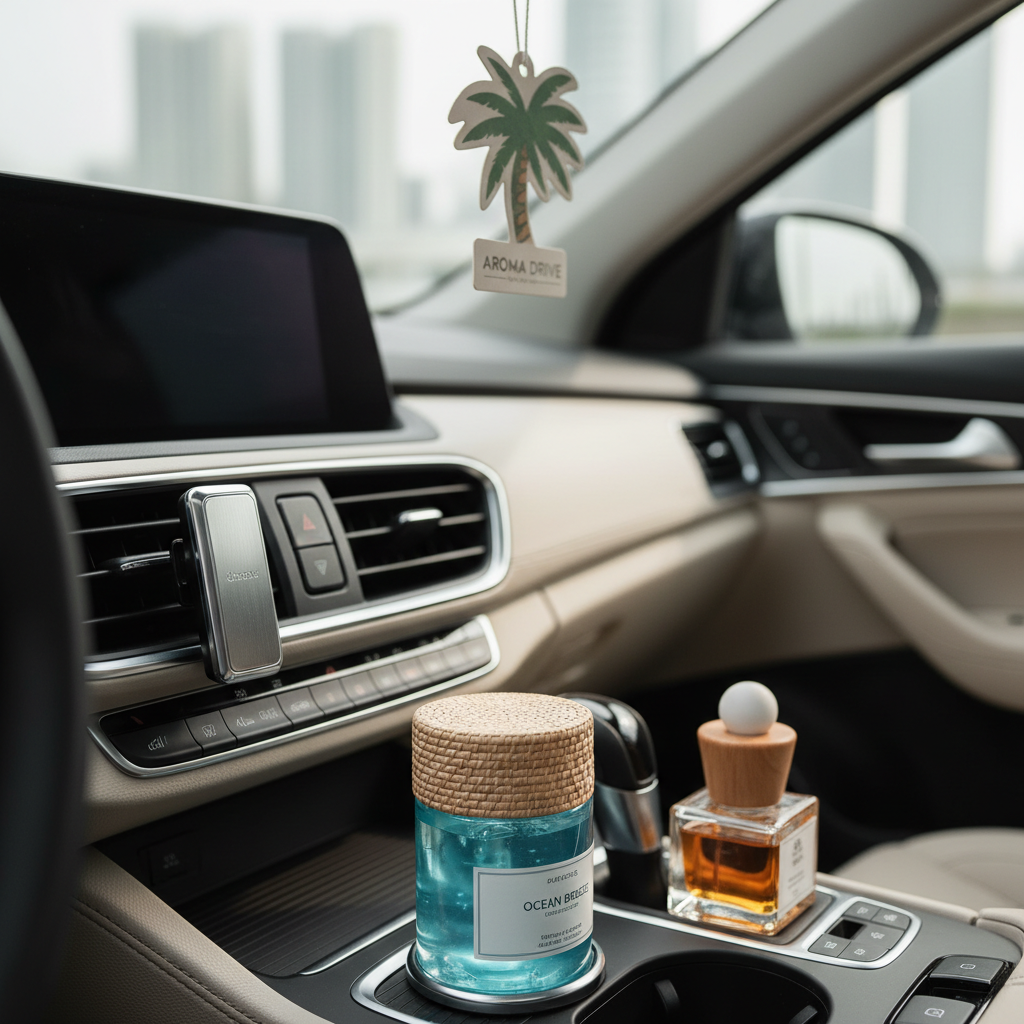
What “long lasting” really means in a car
In practice, “long lasting” is less about the label and more about evaporation speed. Heat and airflow are the two big accelerators, so anything hanging in open air, especially near a vent, tends to burn through scent faster.
A useful way to think about it: you want a product that releases fragrance evenly, not one that hits hard on day one and fades out by day four. That steady release is what most people perceive as lasting.
- Fast release (often fades quickly): cardboard hangers, many vent clips set to “high,” thin sachets.
- Moderate release: gels, some canisters, some wood-cap liquid bottles when adjusted correctly.
- Slow/controllable release: refillable diffusers, solid blocks, adjustable canisters, some under-seat products.
Why your air freshener dies fast (common real-world causes)
Most complaints aren’t about “bad scent,” they’re about mismatch: the product type doesn’t match the car, season, or odor source. A few patterns show up a lot.
- Heat cycling: parked in sun, then A/C blast, then sun again. Oils evaporate quickly, especially in summer.
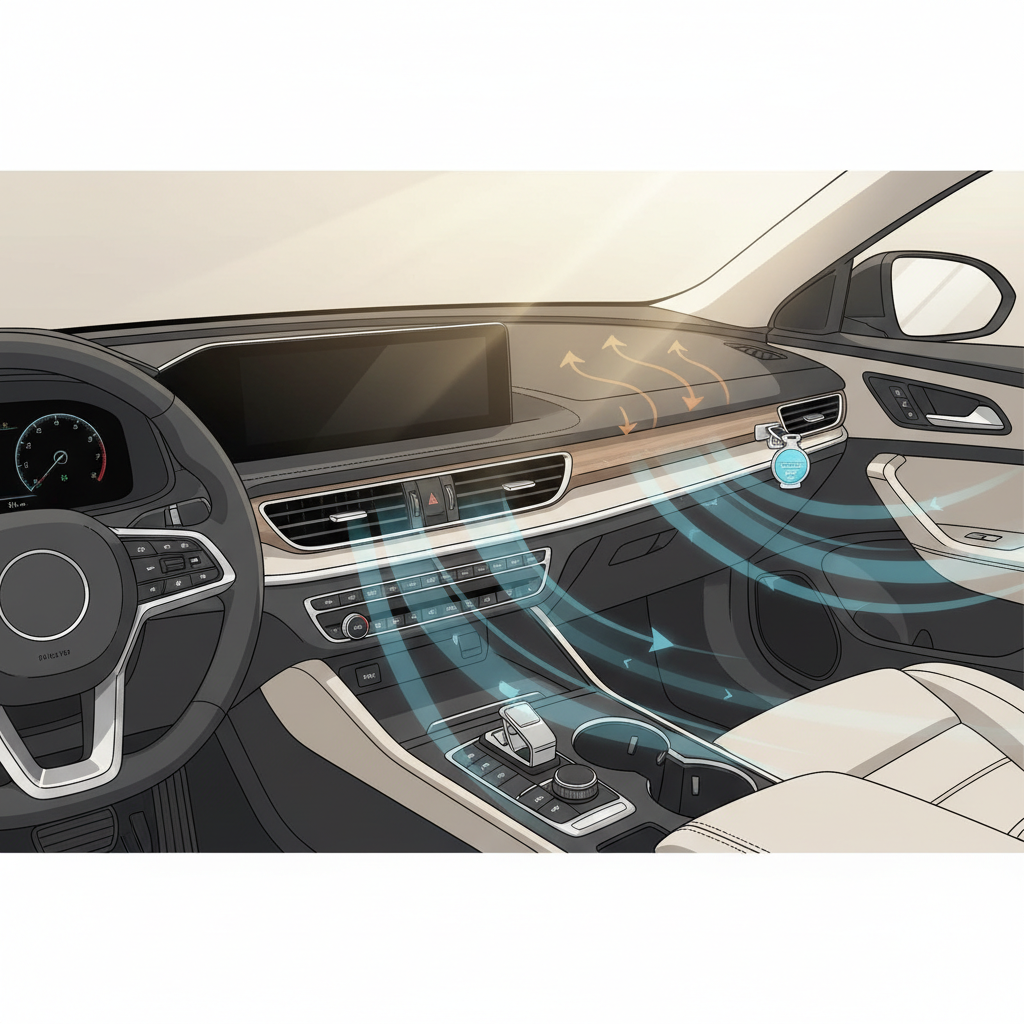
- Vents as a scent turbo: vent clips can be great, but high fan speed turns a two-week product into a three-day one.
- Covering a wet odor source: if there’s moisture in mats or carpets, fragrance fights a losing battle.
- “Nose fatigue”: you adapt to a scent and think it’s gone, while passengers still notice it.
- Overuse backfires: too strong at first, so you remove it, then it never gets a chance to last.
According to EPA, improving ventilation and removing odor sources is a key step when dealing with indoor air quality concerns, and cars behave similarly in many everyday situations.
Quick self-check: which “long lasting” option fits your situation?
Before you buy anything, answer these quickly. This saves money and avoids the “drawer of half-used fresheners” problem.
- Your main goal: light freshness, or covering a persistent odor?
- Parking reality: mostly garage, or sun-baked street parking?
- Sensitivity: headaches, allergies, kids in the car, rideshare passengers?
- Airflow habits: fan on high most of the time, or moderate?
- Preference: “clean/laundry,” “citrus,” “fresh woods,” or “sweet/gourmand”?
If you need subtle and steady, pick a slower-release format and keep it away from direct vent blast. If you’re fighting smoke, gym bag funk, or pet odors, you may also need cleaning steps, not just fragrance.
Comparison table: common car air freshener types (what lasts, what doesn’t)
This table won’t tell you the one perfect product, but it will steer you toward the format that behaves the way you expect.
| Type | Typical longevity | Strength control | Best for | Watch-outs |
|---|---|---|---|---|
| Vent clip | Days to ~2–4 weeks (varies) | Medium (via vent speed) | Quick refresh, commuters | Can fade fast with high fan; can be overpowering |
| Gel canister | ~3–6+ weeks (often) | Low to medium | Steady background scent | Heat can shrink gel faster; placement matters |
| Hanging card | Several days to ~2 weeks | Low | Budget, short-term | Strong first days, then drops off |
| Refillable diffuser (liquid/essential oil style) | Weeks to months (depends) | High | People who want control and refills | Spills if mishandled; avoid heat exposure |
| Under-seat solid/odor absorber + scent | ~4–8 weeks (varies) | Low | Odor-prone cars, subtle scent | Less “noticeable” up front; can feel too mild |
Top picks by scenario (what tends to last longest)
Instead of a single ranked list, these are scenario-based picks, because the best car air freshener long lasting for a rideshare driver is not the same as for a weekend SUV with kids.
1) For the longest steady scent: gel or adjustable canister
If you want “set it and forget it,” gels and canisters usually stay consistent. Put it away from direct sun, like a cup holder shadow area or under a seat if the label allows.
- Good when you dislike big scent swings.
- Better for hot climates than many hanging formats, though summer still speeds things up.
2) For control (and less waste): refillable diffusers
Refillables are often the most cost-efficient over time, and you can dial down intensity. People who get headaches often do better with lower output plus regular cleaning, rather than max-fragrance all day.
- Choose clean, simple scent profiles for shared cars.
- Keep the bottle secured, and avoid leaving liquid products in extreme heat.
3) For commuters who want noticeable freshness: vent clip, used carefully
Vent clips feel powerful because the airflow carries fragrance fast. For longevity, treat your fan like a volume knob, medium is usually the sweet spot.
- Best when you run A/C often and want scent during driving, not when parked.
- If it fades too fast, move it off the strongest vent or lower the fan.
4) For “something smells off” cars: pair scent with odor control
When the problem is mildew, smoke residue, or food spills, fragrance alone can turn into a weird mix. In that case, use an odor absorber style product under the seat, and keep the scent profile light.
According to CDC, cleaning and drying damp materials helps prevent mold growth in many environments, and cars with wet mats or carpet padding behave the same way in a lot of cases.
How to make any car air freshener last longer (practical steps)
You can squeeze more time out of almost any product with a few small tweaks. This is the part most listings skip, because it’s not glamorous, but it works.
- Start low intensity: crack the packaging, don’t go full exposure on day one.
- Keep it out of sun: direct sunlight cooks fragrance out fast.
- Use vent clips strategically: place on a weaker vent, and don’t run max fan constantly.
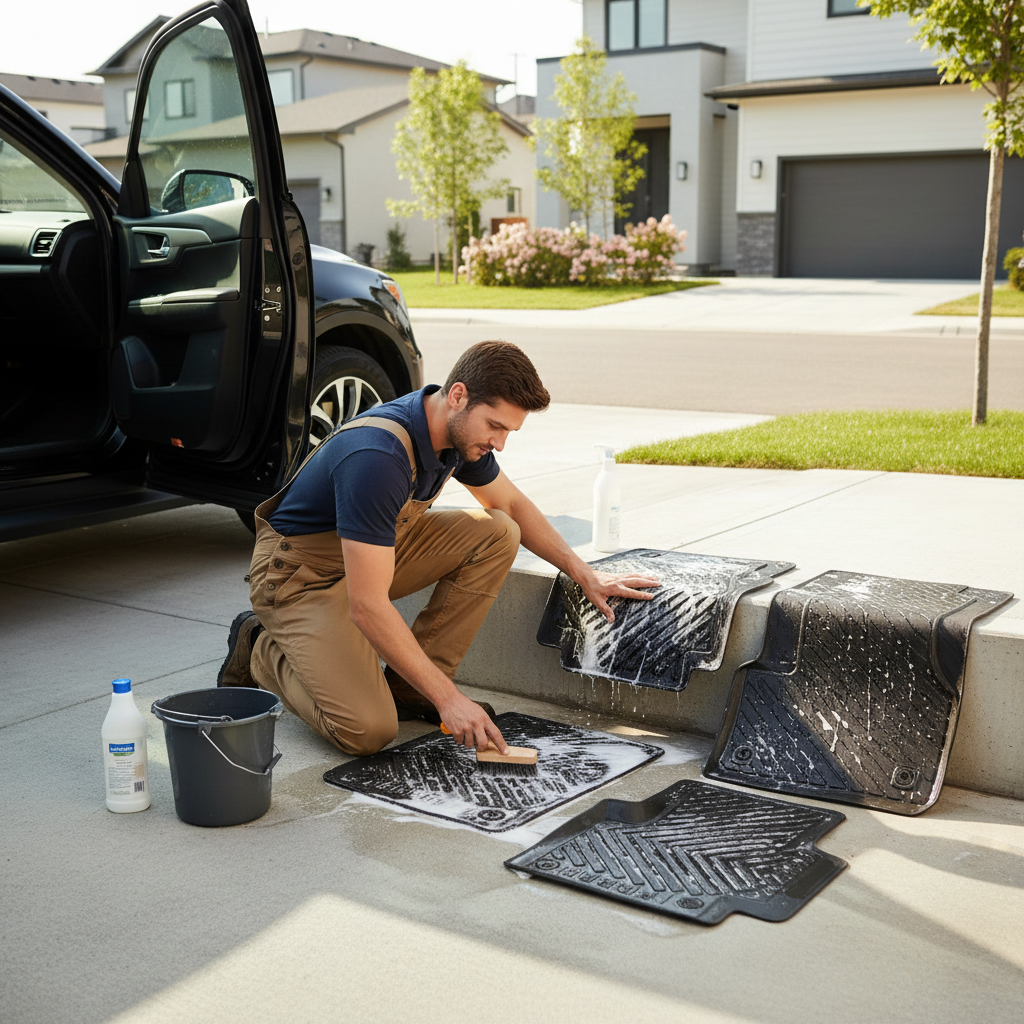
- Reset the cabin: wipe hard surfaces, vacuum seats and carpets, clean mats, odor clings to dust and oils.
- Address moisture: if windows fog constantly or carpets feel damp, fix that first.
- Rotate placement: moving a gel from cup holder to under-seat can change perceived strength and longevity.
Key point: long lasting scent is easier when the car is already fairly neutral. If the baseline odor stays, the freshener gets blamed for a problem it can’t solve.
Safety notes and common mistakes (worth reading)
Most car fragrances are safe when used as directed, but “more” is not automatically “better,” especially in a small cabin.
- If you’re sensitive: choose lighter scents, reduce intensity, crack windows briefly, and consider unscented odor absorbers.
- Avoid product-on-surface contact: some oils can stain plastics, leather, or trim.
- Don’t mix too many scents: that “mystery smell” usually comes from layering products.
- Pets and kids: keep products out of reach, and if irritation happens, discontinue use and consider asking a medical professional.
According to NIOSH, strong fragrances can irritate some people in certain workplaces, and while a car isn’t a workplace for everyone, the takeaway is the same: if someone reacts, back off intensity and prioritize ventilation.
Conclusion: choosing a long lasting freshener without overthinking it
If your goal is steady freshness for weeks, start with a gel or adjustable canister, place it away from heat, and keep intensity modest. If you want control and less waste, refillables are hard to beat, but you do need to handle them carefully.
The real win is pairing the right format with a quick “baseline clean,” because the best car air freshener long lasting works best when it’s adding a pleasant layer, not masking a problem that keeps regenerating.
Action steps: pick one format that matches your parking and airflow habits, then spend 20 minutes cleaning mats and wiping surfaces before you install it. You’ll notice the difference.
If you’re comparing a few options and want a quick sanity check, make a shortlist by format, then choose scent last, it’s the simplest way to avoid another short-lived buy.