
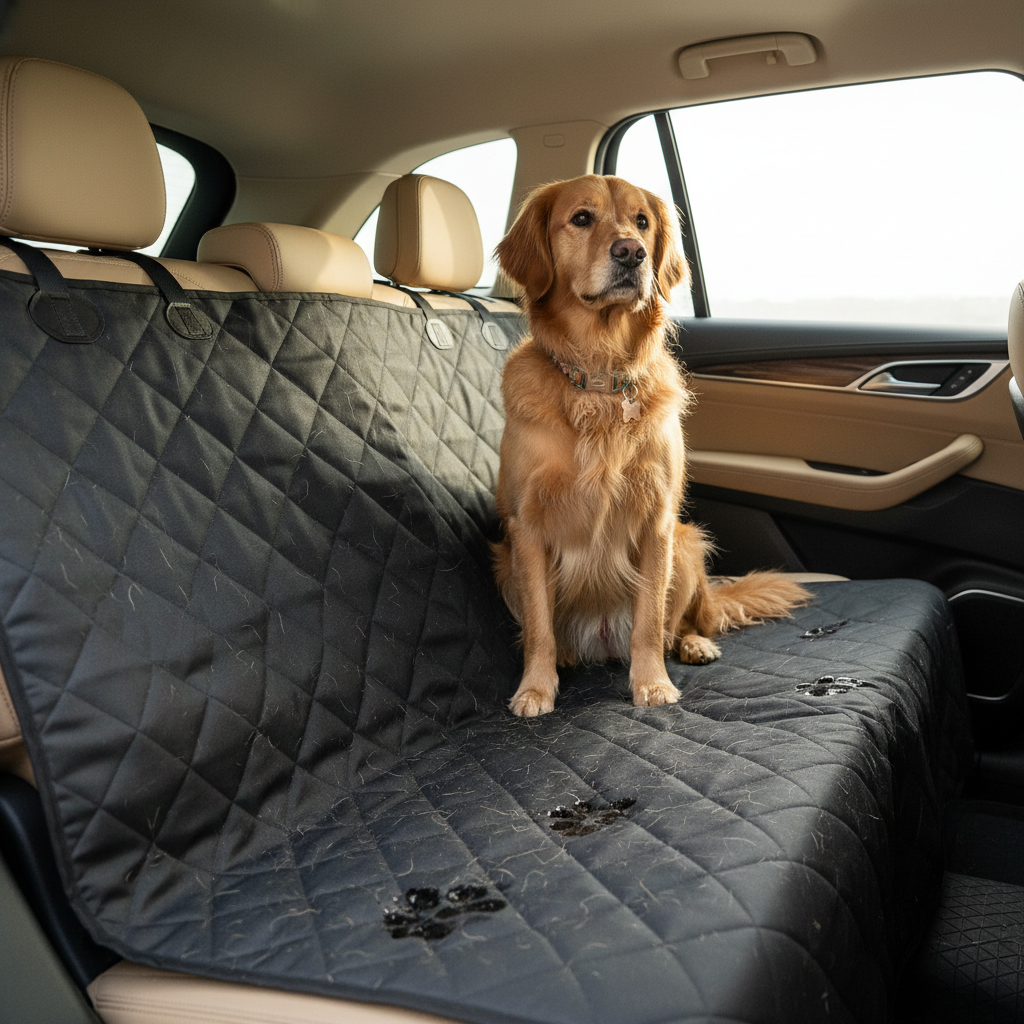
best car pet seat cover for dog hair waterproof is the search you end up typing after the third vacuum session in a week, or after one surprise puddle soaks into the stitching. The goal is simple: keep fur, drool, mud, and accidents off your seats without turning every ride into a wrestling match.
A good cover does two jobs at once, it blocks mess, and it makes your dog feel stable so they slide less. That second part matters more than people think, because a nervous or slippery ride often leads to pacing, scratching, and claw marks, even when the cover is “waterproof.”
This guide breaks down what actually makes a cover waterproof in real use, what features help with dog hair, and how to choose between hammock, bench, bucket-seat, and cargo liners. I’ll also share a quick checklist and a comparison table so you can decide fast.
What “waterproof” really means for pet seat covers
“Waterproof” gets used loosely. In practice, you want a cover that resists soaking through during the time it takes you to notice and clean up, not a fabric that only beads water for ten seconds.
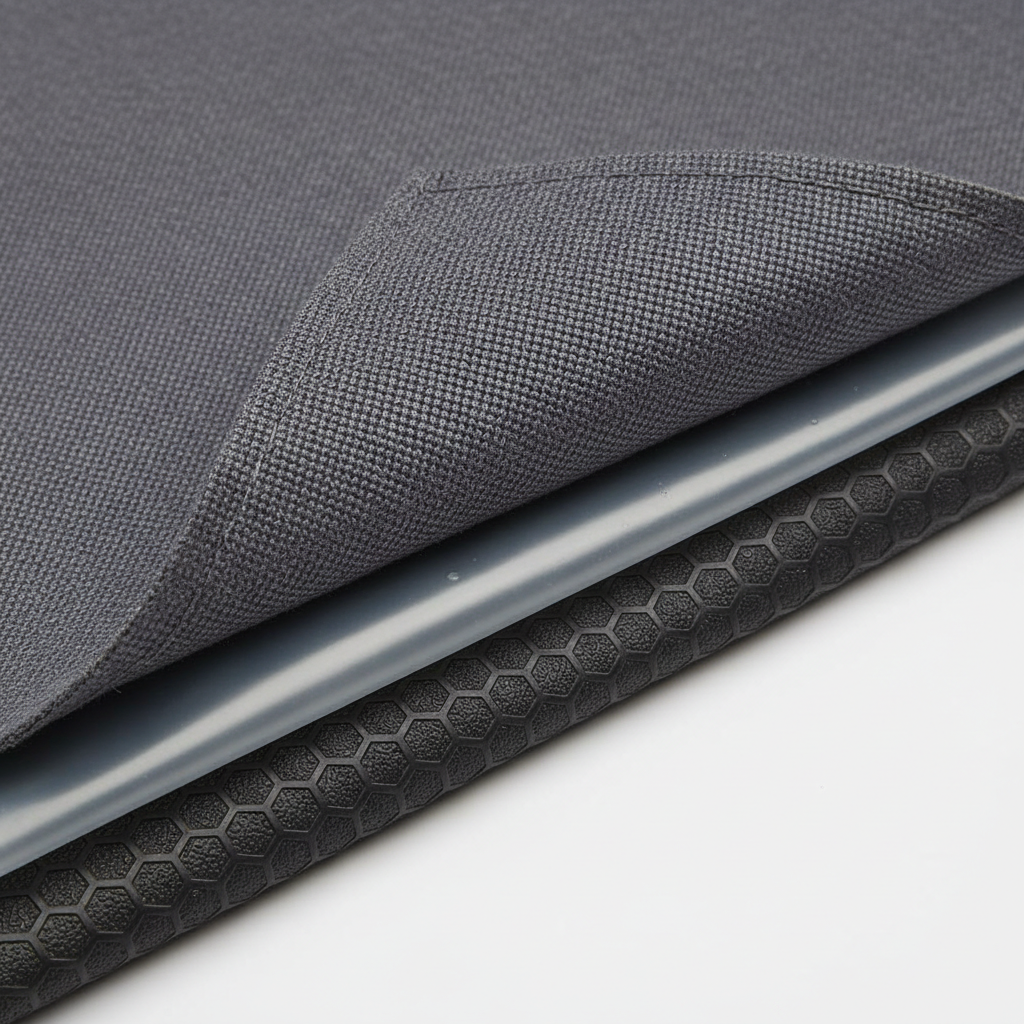
- Top layer: usually Oxford fabric, polyester, or a quilted blend, this affects grip, comfort, and how hair clings.
- Waterproof barrier: commonly TPU (thermoplastic polyurethane). TPU tends to hold up better than cheap PVC-style coatings that can crack over time.
- Seams and stitching: water can leak through needle holes, some covers add seam sealing or tighter stitching to reduce seepage.
- Edges and anchors: if liquid runs off the cover onto seat edges, “waterproof” doesn’t help much.
According to the American Kennel Club (AKC), properly restraining pets in vehicles helps reduce driver distraction and improves safety for everyone in the car. A seat cover is not a restraint, but the right design can make harnessing or crating easier.
Why dog hair is uniquely hard to manage in a car
Hair is annoying because it behaves differently than crumbs or dirt. It embeds into seat seams, clings to textured fabrics, and migrates into door pockets and carpet edges where vacuums struggle.
- Static cling: many synthetic fabrics hold hair like Velcro, especially in dry climates.
- Weave texture: “soft” or brushed surfaces feel cozy, but trap fur.
- Movement friction: dogs shifting positions push hair into gaps between cushions.
If your main pain point is shedding, prioritize a smoother top layer, fewer stitched channels, and full side coverage. Waterproofing matters too, but hair is mostly a surface problem.
Quick comparison table: choose the right cover style
Most people can narrow options by vehicle layout and dog behavior. Here’s a practical snapshot.
| Cover type | Best for | Hair control | Waterproof performance | Watch-outs |
|---|---|---|---|---|
| Hammock (back seat) | Dogs that move a lot, anxiety, preventing falls | High (full surface + back-of-front-seat barrier) | High if TPU layer + good seam work | Can block rear air vents, may limit human seating |
| Bench cover | Mixed passengers + dog | Medium | Medium to high | Less side protection, liquid can run to gaps |
| Bucket seat cover | Front-seat riding (with proper restraint) | Medium | Medium | Airbag compatibility matters, check side airbag seams |
| Cargo liner | SUV/hatchback cargo area | High (especially with side flaps) | High | Needs strong anti-slip, otherwise sliding increases |
Buying checklist: what to look for (and what to ignore)
If you want the best car pet seat cover for dog hair waterproof performance, it usually comes down to materials, coverage, and how well it stays put.
Features that actually matter
- TPU waterproof membrane (not just “water-resistant” fabric)
- Non-slip backing plus seat anchors (those little tubes that tuck into creases)
- Side flaps to protect door-side bolsters and reduce hair on seat edges
- Hair-friendly top fabric, smoother weave, fewer deep quilt channels
- Strap design that stays tight, wide straps tend to slip less than thin ones
- Machine-washable with clear washing limits (cold wash, gentle cycle)
Nice-to-haves (useful, but not required)
- Seatbelt pass-throughs or harness slots that don’t leak easily
- Split design (60/40) so a passenger can sit on one side
- Pocket storage for leash and wipes, convenient but not essential
Marketing claims to treat cautiously
- “100% scratch-proof”, claw pressure and leather softness vary a lot
- “Fits all cars”, headrest spacing and seat contours often disagree
- “Waterproof” without material details, look for TPU or tested construction
Self-test: which cover fits your situation?
This quick sorting step saves money. Pick the statements that sound like your car life right now.
- Your dog tries to climb into the front seat or slips off the bench → Hammock
- You often drive with a kid or adult in the back seat too → Split bench cover
- Your dog rides in an SUV cargo area and sheds heavily → Cargo liner with side walls
- You see wet paw prints after hikes, beach, rain → TPU layer + high side flaps
- Hair is the only real issue, no accidents → Smooth top fabric + full coverage
- Your dog gets carsick sometimes → Higher edge coverage + easy wipe surface
If you check multiple boxes, lean toward more coverage rather than less. People usually regret “minimalist” covers when the first mess hits the seatbelt buckle area.
How to install it so it stays put (and stays waterproof)
Even the best cover fails if it shifts. Sliding exposes seat edges, creates wrinkles that pool water, and makes dogs dig for traction.
- Vacuum first, hair under the cover behaves like tiny ball bearings and increases sliding.
- Thread anchors deep into the seat crack, then pull the cover tight before buckling straps.
- Strap geometry matters, cross the front headrest straps if the design allows, it often reduces sway.
- Check door-side flaps, they should sit flat, not folded, folds act like gutters guiding water to the seat.
- Do a “two-turn test”, take two normal turns and one stop, if it shifts, tighten now, not after the spill.
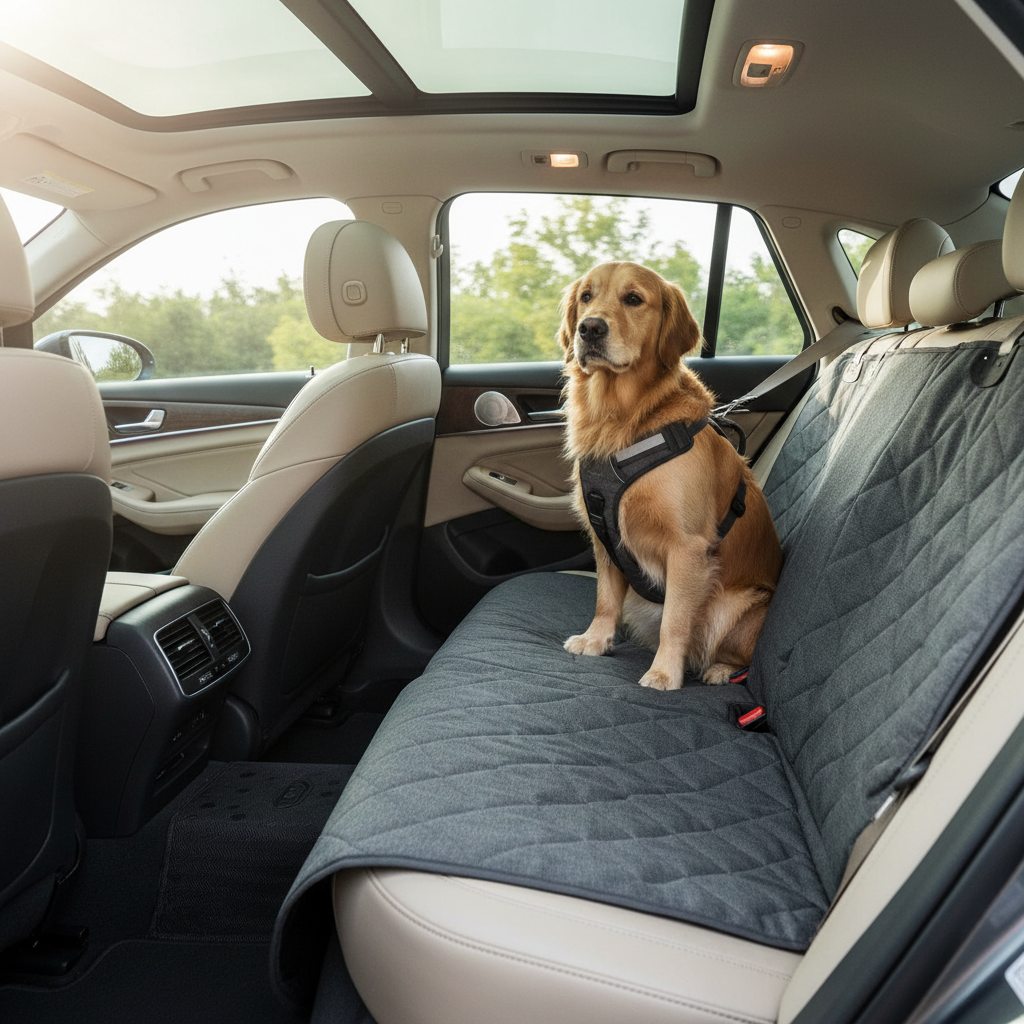
If you use a harness, route the seatbelt through the manufacturer’s approved path. If you’re unsure about fit or safety, it’s worth asking your veterinarian or a certified pet safety professional for guidance, especially with anxious or large dogs.
Cleaning and maintenance: keep hair from becoming permanent
For shedding control, your routine matters as much as the cover. A waterproof layer helps with liquids, but fur management is usually about speed and tools.
- Shake and brush outside every few days, don’t wait for a monthly deep clean.
- Use a rubber brush or silicone squeegee, it pulls embedded fur faster than most vacuums.
- Spot-wipe spills quickly, even waterproof covers can leak at seams if liquid sits and spreads.
- Machine wash carefully, cold water, mild detergent, air dry when possible to protect the barrier layer.
One practical tip, if your dog rides after the dog park or beach, keep a microfiber towel in the door pocket, wiping paws before they jump in is easier than scrubbing dried grit later.
Mistakes people make when shopping (so you don’t repeat them)
- Buying for looks first, diamond quilting can look great but traps hair in stitch channels.
- Ignoring seatbelt access, then cutting holes, which often ruins waterproofing.
- Skipping anti-slip, adding a random non-slip mat underneath can help, but it’s not as stable as integrated backing.
- Assuming “fits SUV” means your SUV, measure bench width and check headrest positions before ordering.
- Using it as the only safety measure, covers protect upholstery, restraints protect lives, these roles are different.
Conclusion: what to pick if you want fewer regrets
If your priority is a cleaner interior week after week, a best car pet seat cover for dog hair waterproof setup usually means three things: a TPU barrier, a smoother hair-shedding top fabric, and a design that doesn’t slide. For many dogs, a hammock-style cover hits the sweet spot because it adds coverage and stability, while cargo liners shine for SUV owners with heavy shedders.
Key takeaways: choose coverage based on where your dog rides, don’t compromise on anti-slip and anchors, and plan a simple cleaning rhythm so hair never gets the chance to embed.
If you want a low-drama next step, measure your back seat width, note headrest spacing, then pick a style from the table and prioritize material details over buzzwords.
FAQ
What is the best material for a waterproof dog car seat cover?
Many reliable covers use an Oxford or polyester top layer with a TPU waterproof membrane underneath. TPU tends to balance flexibility and durability, though real-world performance still depends on seam quality and edge coverage.
Do waterproof seat covers stop dog hair completely?
They reduce hair on the upholstery, but hair can still collect at seat edges, between cushions, and on exposed door panels. A cover with side flaps and a smoother surface usually makes cleanup faster.
Are hammock seat covers safe for dogs?
A hammock can help prevent slips and falls into the footwell, but it’s not a safety restraint. For safer travel, many owners pair a cover with a properly fitted harness or a secured crate, and it may be worth asking a veterinarian for guidance if your dog gets anxious in the car.
How do I keep a seat cover from sliding around?
Look for non-slip backing, seat anchors, and tight headrest straps, then install it on a clean seat. If it still shifts, a thin grippy underlay can help, but it’s better when the cover’s own backing does the work.
Can I use a waterproof cover on leather seats?
Usually yes, but check that the backing won’t discolor or imprint the leather, especially in hot climates. Cleaning underneath occasionally helps, trapped grit can rub over time.
What’s better for shedding: quilted or smooth covers?
Smooth covers often release hair more easily. Deep quilting can trap fur in seams, which feels like you’re always “almost done” cleaning but never quite there.
How often should I wash a dog car seat cover?
It depends on shedding and how often your dog rides, but many people do a quick shake-out weekly and wash every few weeks. If there’s an accident or muddy trip, wash sooner so odor and residue don’t build up.
Lightweight next step
If you’re trying to protect seats without turning every outing into cleanup duty, focus on a waterproof TPU-backed cover with strong anchors and a hair-friendly surface, then set a simple routine for shake-outs and spot wipes, it’s the combo that usually keeps cars looking normal even with a heavy shedder.