
Best coolant for car antifreeze choices usually come down to one thing: matching your car’s required coolant spec, not chasing a “universal” bottle that looks convenient on the shelf.
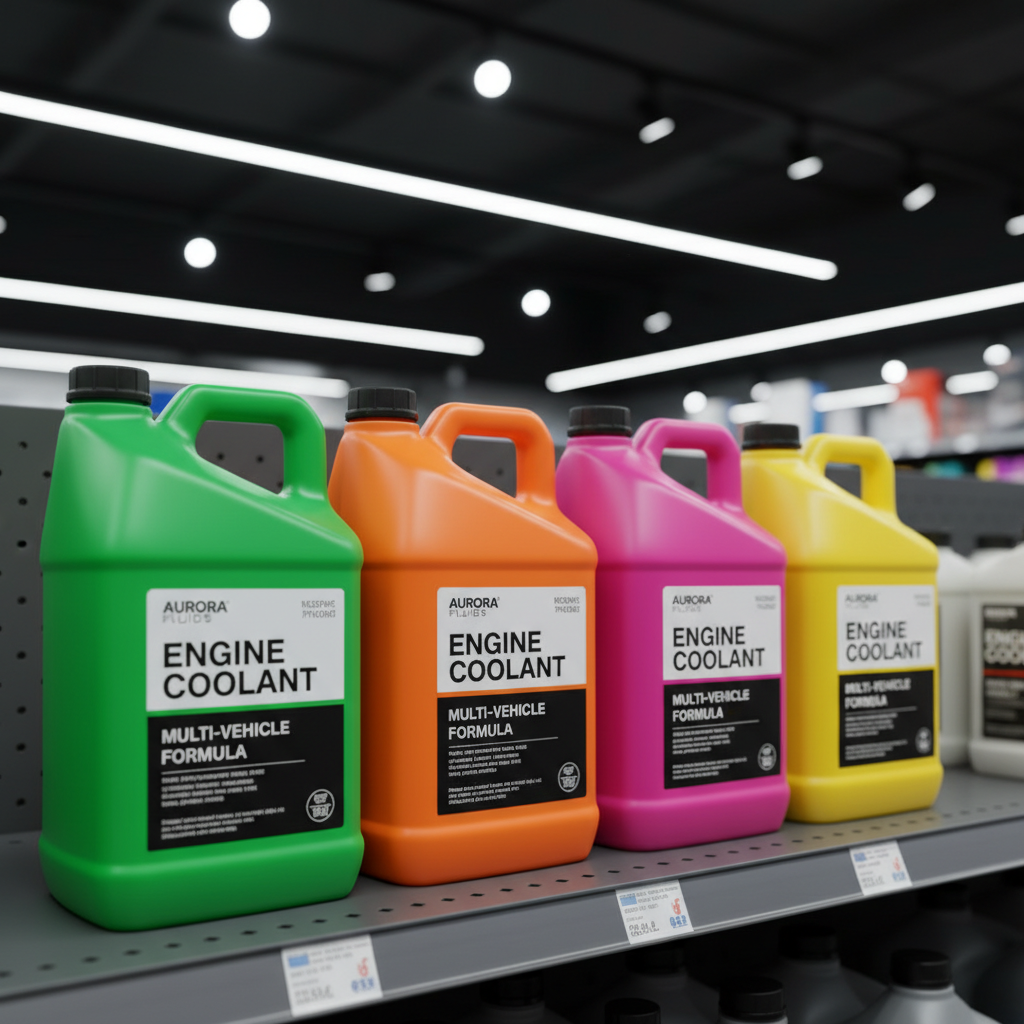
If you’ve ever stood in an auto parts aisle staring at orange, pink, yellow, and green jugs, you already know the pain point, the labels feel like they were written for chemists, and the consequences of guessing wrong can be expensive. Coolant does more than keep your engine from freezing, it also manages boiling protection, corrosion control, and long-term water pump and gasket life.
This guide gives you a practical 2026 way to pick the right antifreeze coolant: what matters on the label, how to verify what your car needs, when “mixing” is a real problem, and how to top off or flush without turning a simple maintenance job into a cooling-system repair.
What “best” really means for antifreeze coolant in 2026
For most drivers, the “best” antifreeze coolant is the one that matches the manufacturer spec, plays well with the metals in your cooling system, and stays stable for the service interval you actually plan to follow.
According to SAE International, coolant performance is commonly discussed around corrosion protection, material compatibility, and stability over time, which is exactly why specs and standards exist in the first place. The bottle marketing is secondary.
- Spec match beats brand match: OEM-approved or spec-compliant coolant is usually the safer bet than a generic “fits all makes” claim.
- Climate still matters: freeze protection and boil-over margin depend on mixture and system pressure, not just the jug color.
- Maintenance reality matters: a long-life coolant can be great, but only if you keep the system sealed and the mixture correct.
Coolant types in plain English (IAT, OAT, HOAT, Si-OAT)
Most confusion comes from chemistry families. You do not need to memorize them, but you should recognize the category your vehicle expects.
IAT (Inorganic Additive Technology)
Often associated with older “green” coolant in many legacy applications. It typically uses silicates/phosphates for quick protection but tends to have shorter service life.
OAT (Organic Acid Technology)
Common in many modern vehicles, usually extended-life. OAT focuses on organic corrosion inhibitors and can be sensitive to contamination from other chemistries.
HOAT (Hybrid OAT)
A blend concept, often OAT plus some silicate or phosphate component depending on the OEM approach. Found in a lot of European and some domestic applications.
Si-OAT (Silicated OAT)
Widely used in newer Euro-style formulations, combining OAT with silicates for fast aluminum protection. Many 2020s vehicles live here, but the exact spec still varies.
Quick reality check: color is not a reliable identifier. Two “pink” coolants can be totally different, and two different brands can dye the same chemistry differently.
How to choose the best coolant for your car (a fast checklist)
When people ask for the best coolant for car antifreeze, they often want a single product name. In practice, your best choice is a short decision process.
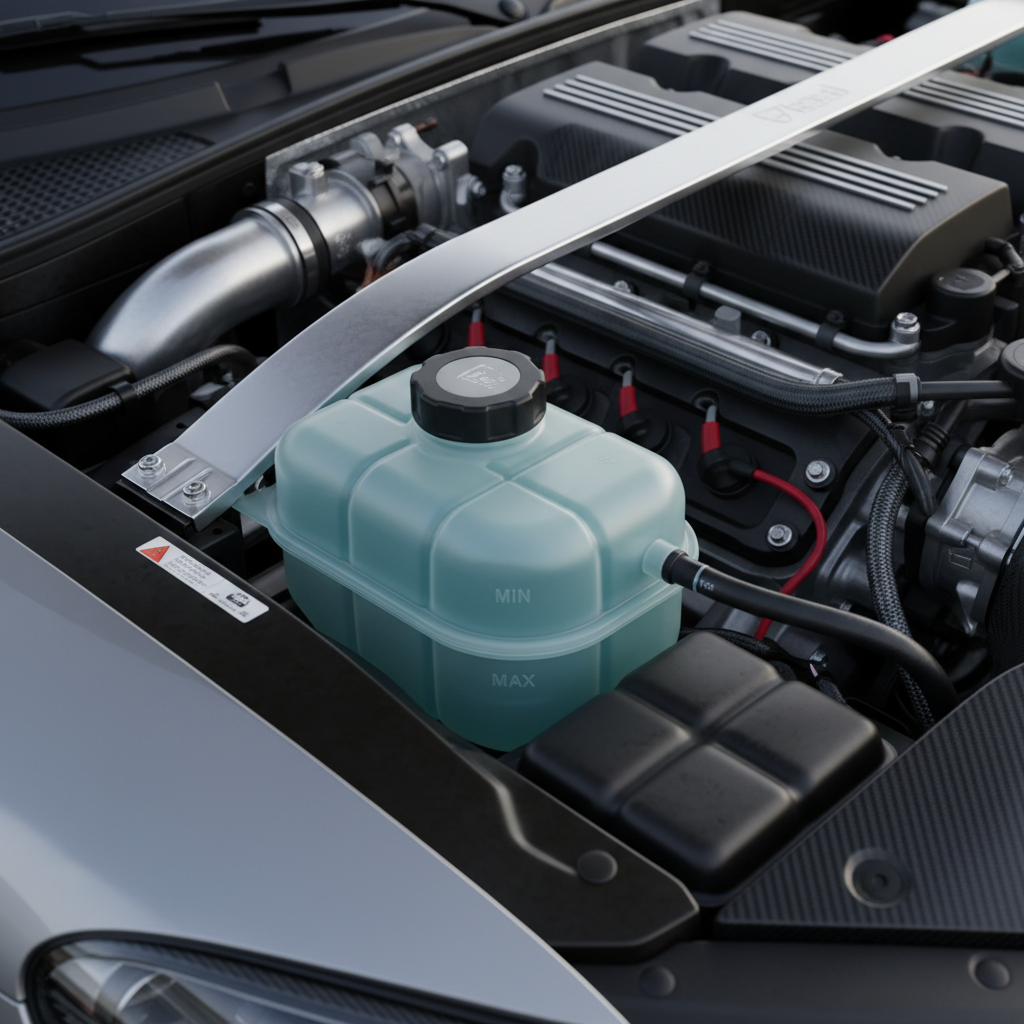
- Start with the owner’s manual: look for a spec code or description (for example, an OEM standard, not just “use ethylene glycol”).
- Check the reservoir cap or under-hood label: many cars list the required coolant type or warning about mixing.
- Confirm what’s currently in the system: if you bought the car used, assume nothing until you verify.
- Pick premix vs concentrate: premix is less error-prone; concentrate is fine if you can measure and use proper water.
- Look for approvals, not slogans: “meets/approved for” language tied to your OEM spec is what you want.
If you can’t find a clear spec, a dealership parts counter can usually tell you the correct coolant by VIN, and many reputable parts sites will cross-reference by vehicle. If answers conflict, pause and verify rather than “average” the advice.
Best coolant for car antifreeze: product categories that usually make sense
I’m not going to pretend there’s one jug that wins for everyone. A better way is to pick from categories that tend to be low-risk.
| Category | Who it fits best | Why it’s often a safe choice | Watch-outs |
|---|---|---|---|
| OEM coolant (dealer or OEM-branded) | Drivers who want minimal guesswork | Usually exact spec match, designed for your system materials | Can cost more, availability varies |
| Spec-approved aftermarket coolant | DIYers who verify specs carefully | Often meets the same standards at a better price | Label language can be vague; confirm approvals |
| Premixed 50/50 coolant | Top-offs and simple maintenance | Reduces mix errors, consistent freeze protection | Heavier to store/ship; not adjustable for extreme climates |
| Concentrate coolant | Flush/refill jobs, hot/cold climate tuning | Flexible mixture control, often more economical | Mixing errors are common; water quality matters |
| “Universal”/all-makes coolant | Only when it truly lists your spec | Convenient stocking, broad coverage | Compatibility claims vary; not ideal for unknown systems |
Key point: if the system already contains a specific long-life coolant and you don’t know what it is, the “best” move is often a drain-and-refill with the correct spec instead of topping off with something “close.”
Mixing, topping off, and water choice (where most people get burned)
Mixing coolants is where a lot of cooling systems get into trouble. Sometimes you can mix small amounts without immediate drama, but long-term corrosion protection can change, and deposits or gel-like sludge can form in worst cases.
According to the U.S. Environmental Protection Agency (EPA), antifreeze often contains ethylene glycol, which is toxic and must be handled and disposed of properly. That matters because “just drain it in the driveway” is not only unsafe, it can be illegal depending on location.
Top-off rules that keep you out of trouble
- If you know the exact coolant spec in the car, top off with the same spec and preferably the same type.
- If it’s an emergency and you are low, adding a small amount of distilled water can be a safer short-term choice than adding an unknown coolant, but you should correct the mixture soon.
- Avoid tap water if you can. Minerals can contribute to scale and corrosion, especially in hard-water areas.
Concentrate mixing that’s actually practical
- Most drivers stick close to 50/50 for a balance of freeze/boil protection.
- More antifreeze is not always better; overly strong mixes can reduce heat transfer and may not improve protection the way people assume.
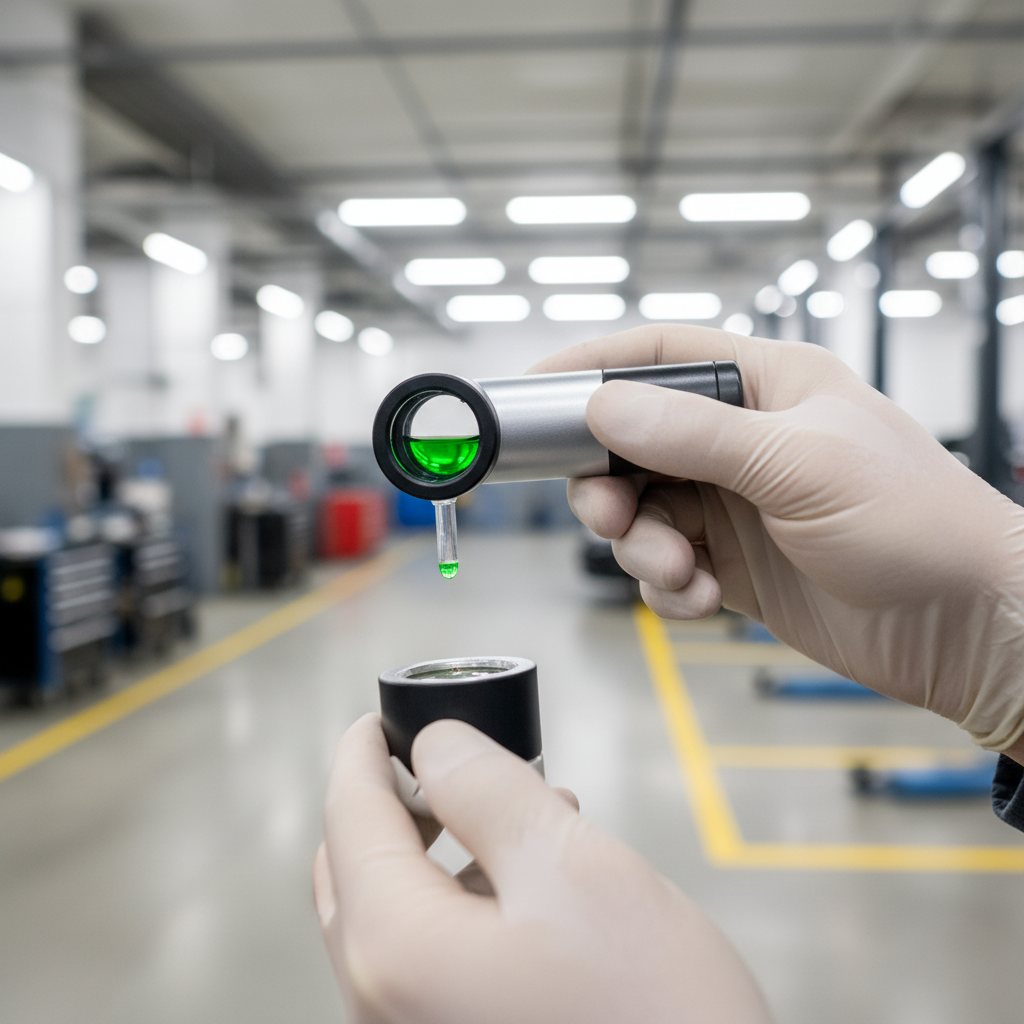
- If you live in extreme cold, confirm the recommended ratio for your vehicle, and consider testing with a coolant tester.
Practical steps: how to pick, buy, and service coolant without overthinking it
If you want a simple workflow, this is the one that tends to prevent the “wrong jug” mistake while staying realistic for DIY.
- Step 1: Verify the required spec via manual, under-hood label, or VIN lookup.
- Step 2: Decide top-off vs service. If the coolant is clean, level is slightly low, and spec is known, top-off is reasonable. If the history is unknown, consider a full service.
- Step 3: Choose premix for convenience unless you have a reason to run concentrate.
- Step 4: Inspect for causes. Low coolant can be normal over long intervals, but recurring low level suggests a leak that needs attention.
- Step 5: After any refill, monitor the reservoir level over the next few heat cycles, and watch for temperature spikes or sweet smells.
If you’re doing a drain-and-refill or flush, be careful with hot systems. A pressurized cooling system can cause burns, and if you’re unsure about safe procedure, a shop is the safer option.
Common mistakes (and what I’d do instead)
- Mistake: choosing by color
Do instead: choose by OEM spec and approvals, then treat color as cosmetic. - Mistake: “universal coolant fixes everything” thinking
Do instead: only use universal coolant if it explicitly lists your required spec and you’re not mixing into an unknown fill. - Mistake: topping off repeatedly without asking why it’s low
Do instead: check for seepage at hoses, radiator end tanks, water pump weep hole, and heater core signs. If you keep adding coolant, find the leak. - Mistake: using straight water long-term
Do instead: water can be a short-term emergency move, but you want proper inhibitors back in the system soon. - Mistake: ignoring service interval because “it’s long-life”
Do instead: follow the manual. Long-life does not mean forever, and contamination accelerates aging.
When it’s time to get a professional diagnosis
Coolant questions are often simple, but there are a few situations where guessing gets expensive fast, and a pressure test or combustion-gas test is worth paying for.
- Overheating, even once, especially if the temp gauge spikes quickly
- Coolant loss you can’t explain, puddles, crusty residue, or frequent low reservoir
- Milky oil, white exhaust smoke, or sweet smell in the cabin, which can signal internal leaks
- Repeated air in the system, gurgling, weak heat from vents, or unstable temps
If you suspect internal engine issues, consult a qualified mechanic. Cooling systems tie into engine health, and the “cheap fix” path can backfire.
Conclusion: the “best” coolant choice is the one you can prove matches
The best coolant for car antifreeze in 2026 is rarely a mystery product, it’s the coolant that matches your vehicle’s required spec, is mixed correctly, and is used in a system that stays sealed and healthy.
If you want two concrete actions, do these: verify the OEM coolant spec by VIN, then either top off with a matching premix or plan a drain-and-refill if the current fill is unknown. That combo solves most real-world coolant headaches without drama.