
The best car snow brush with scraper is the one that clears snow fast without chewing up your paint, leaves enough reach for your roof, and still feels solid when your gloves are bulky and it’s 10°F outside.
Most people shop these like they’re all the same, then the first real storm hits and the problems show up: flimsy joints, bristles that flick snow back onto you, or a scraper edge that chatters across the windshield and leaves streaks of ice behind.
This guide narrows the field with a practical checklist, a feature-by-feature comparison table, and a few use habits that make winter mornings less annoying. I’ll also flag common mistakes that can cause scratches or reduce visibility, because saving 30 seconds is not worth a damaged clear coat.
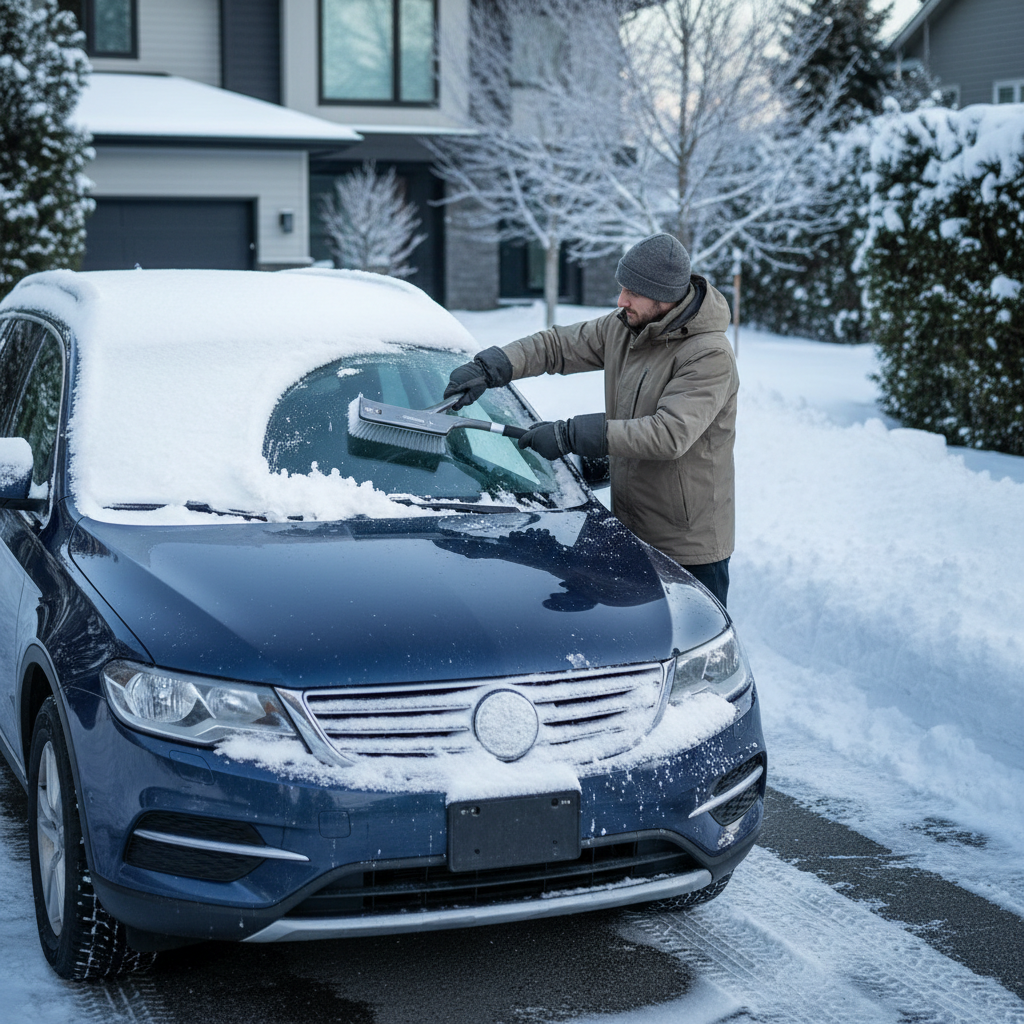
What makes a snow brush + scraper actually good
When you’re comparing options, focus less on marketing names and more on how the tool behaves under pressure. Snow can be fluffy, wet, crusty, or refrozen into ridges, so a brush that only works in light powder tends to disappoint.
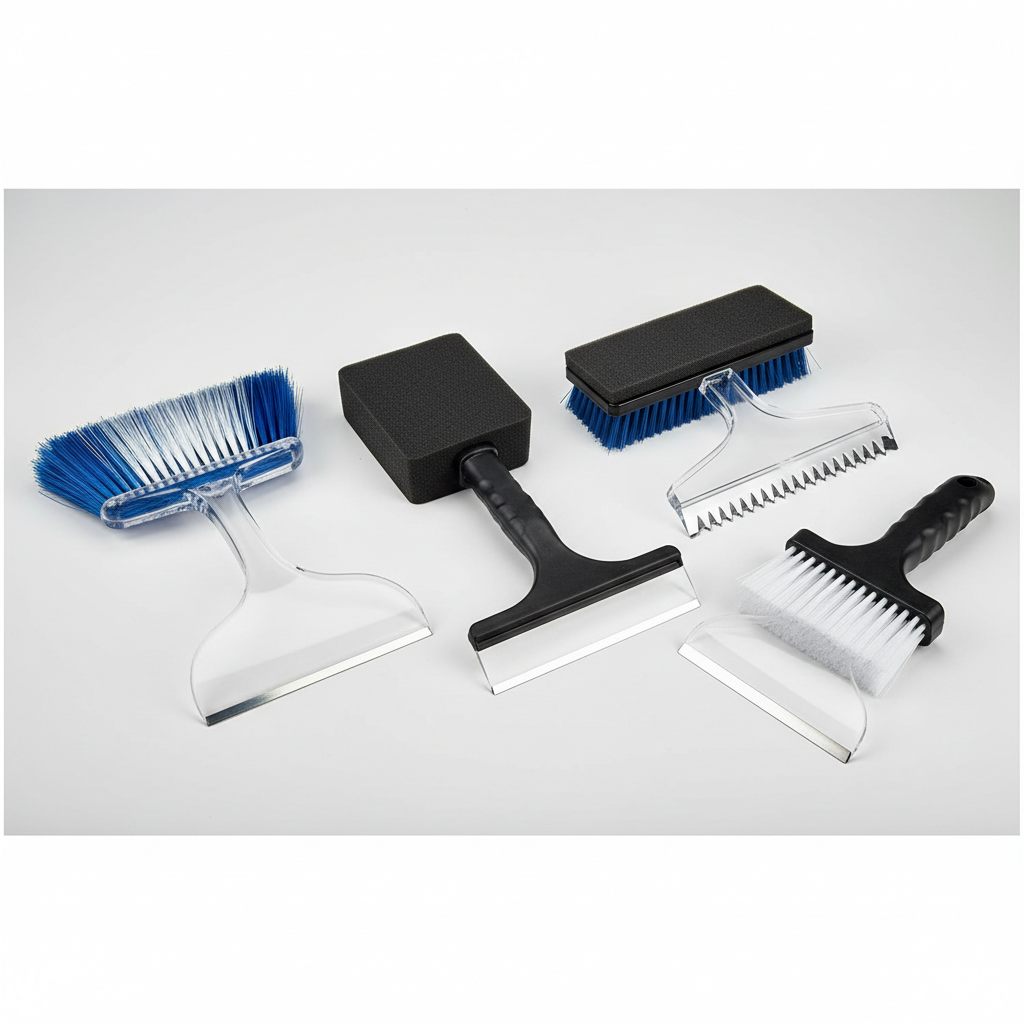
- Bristle type and softness: Softer bristles are generally kinder to paint, but they must be dense enough to move heavy snow without you grinding the head into the panel.
- Head shape: A wider head clears faster, a slimmer head fits around mirrors and wipers. Many people prefer a mid-width head that does both decently.
- Scraper edge design: A sharp, clean edge bites ice; small ice teeth can help on thick layers. The downside is aggressive teeth can chatter if you rush, so technique matters.
- Handle stiffness: Too flexible and you’ll fight it on the roof; too rigid and cheap plastic can crack when cold. Look for a balanced, reinforced feel.
- Reach and storage: Extendable handles help SUVs, but a shorter collapsed length matters if you store it behind a seat.
According to AAA (American Automobile Association), maintaining clear visibility is a safety priority in winter driving, which includes removing snow and ice from windows and lights before you drive.
Quick comparison table: features that matter most
Use this table to match the tool style to your vehicle and typical winter conditions. It’s not about one “winner,” it’s about fit.
| Type | Best for | Pros | Trade-offs |
|---|---|---|---|
| Compact brush + scraper | Sedans, short commutes, mild storms | Easy to store, quick for glass | Limited roof reach, slower for heavy snow |
| Extendable brush + scraper | SUVs, trucks, frequent storms | Reaches roof, better leverage | More joints to loosen, bulkier in cabin |
| Foam head + scraper | Dry/powder snow, paint-conscious owners | Gentle contact, pushes snow efficiently | Can smear wet snow, needs cleaning |
| Pivoting head + scraper | Awkward roof angles, crossovers | Better contact on curved panels | Pivot mechanisms can wear over time |
How to choose the best car snow brush with scraper for your vehicle
If you want one purchase that feels right all season, start with your car shape and where snow actually accumulates. A small coupe in Boston and a lifted truck in Denver create very different problems.
Match reach to roof height (don’t guess)
- Sedans and hatchbacks: A non-extendable or short-extension tool often works, as long as the head is wide enough to clear quickly.
- Crossovers: A modest extension helps you avoid overreaching and dragging the head across paint at a bad angle.
- SUVs and trucks: Extension becomes a quality-of-life feature, especially for the roof and the middle of the windshield.
Decide whether you’re more worried about ice or snow
- If your winters are more about ice storms and refreeze, prioritize a scraper with a clean, stiff edge and a comfortable grip.
- If you mostly get heavy snow dumps, prioritize a large brush head that moves volume without you pressing hard.
A small but real detail: gloves change everything. Handles that feel fine bare-handed can become slippery with thick winter gloves, so look for textured grips and a diameter that your hand can hold without cramping.
Self-check: are you using the wrong tool right now?
Before you buy anything, run this quick test. If you hit two or more items, your current setup is probably costing you time, visibility, or paint wear.
- You have to press hard to move snow, so the head drags across panels.
- The scraper skips or chatters, leaving a thin ice film that fogs or refreezes while driving.
- The handle twists, collapses, or feels loose when you clear the roof.
- You can’t reach the center of the windshield without climbing or stretching.
- The brush head packs with wet snow and starts smearing instead of clearing.
- You avoid clearing the roof because it’s annoying, and snow slides forward when you brake.
Practical technique: clear faster and reduce scratch risk
Even the best car snow brush with scraper can mark paint if you treat it like a shovel. The goal is to move snow with minimal pressure, then use the scraper only where ice is bonded to glass.
A simple order that usually works
- Start with the roof: Push snow off in sections, so it does not dump onto a cleared windshield later.
- Then glass: Brush loose snow away, then scrape ice. If you scrape first, you often grind snow crystals into the edge.
- Finish with lights and cameras: Headlights, taillights, and backup cameras matter more than people think on gray winter days.
Small moves that help (especially on ice)
- Keep the scraper edge flat to the glass, not tilted on a corner.
- Use shorter strokes on thick ice, then longer strokes once it breaks up.
- If the windshield is heavily iced, letting the defroster run for a few minutes can reduce effort; idling laws and local rules vary, so use judgment.
According to NHTSA, clear visibility is essential for safe driving; if snow blocks windows, mirrors, or lights, your risk goes up even at low speeds.
Common mistakes that waste time (or cause damage)
Some mistakes look minor in the driveway but show up later as micro-scratches, wiper issues, or visibility problems.
- Using the brush like a broom on dry paint: If there’s grit in the snow, aggressive sweeping can act like sandpaper. Light pressure and clean bristles help.
- Scraping paint or headlights: Most scrapers are meant for glass, not clear plastic lenses or painted panels.
- Ignoring the wiper area: Snow packed at the base of the windshield can freeze wipers in place and tear rubber.
- Storing a wet tool in the car: It can drip, freeze, and make the next use worse. A simple bag or bin helps.
- Over-relying on hot water: Rapid temperature change can stress glass; many people avoid it for good reason. If you’re unsure, follow your vehicle manual.
Buying guide: what to look for in 2026 models
Brands update these tools in small ways year to year: better joints, warmer grips, lighter shafts. In 2026, the most useful upgrades tend to be durability and ergonomics, not flashy gimmicks.
- Cold-resistant plastics: Many plastics get brittle in deep cold. A sturdier feel around joints and the scraper mount usually signals better materials.
- Locking extension that does not slip: Twist locks can work, push-button locks can work, what matters is whether it stays tight under load.
- Replaceable head (nice to have): If the brush wears out, replacing the head can be cheaper than replacing the whole tool, though availability varies.
- Paint-friendlier contact surfaces: Foam or flagged bristles can be gentler, but only if you keep them clean.
- Comfort grip: Look for a grip that stays tacky when wet and still feels secure with gloves.
Key takeaway: prioritize a sturdy handle and a scraper edge that matches your ice conditions, then pick the head style that clears snow with the least pressure.
When it’s worth getting extra help (or changing your approach)
If you deal with frequent freezing rain, steep driveways, or limited time in the morning, a better tool helps, but it may not solve everything. In some cases you may need to combine tools and habits.
- Frequent heavy ice: A dedicated ice scraper plus a separate soft brush can be easier than an all-in-one, especially if your combo tool flexes.
- Physical strain: If reaching the roof hurts your shoulder or back, choose a lighter extendable tool and consider parking strategies that reduce buildup. If pain persists, it’s sensible to consult a medical professional.
- Visibility still poor after clearing: Check wiper condition, washer fluid rated for low temperatures, and defroster performance. Persistent issues can justify a mechanic’s inspection.
Conclusion: a smarter pick and a faster routine
Shopping for a snow brush is less about chasing a trend and more about choosing a tool that fits your vehicle height, your local mix of snow versus ice, and how you actually clear the car when you’re half awake. If you want one move that pays off immediately, buy for reach and stiffness first, then refine head style for paint care.
Tonight, measure your roof reach, decide whether ice or snow is your bigger enemy, then pick a tool that matches those realities. Winter mornings won’t become fun, but they can be a lot less frustrating.