
The best car air freshener organic usually comes down to one thing: you want your car to smell good without turning the cabin into a cloud of harsh fragrance or mystery solvents.
A lot of “car fresheners” hide behind vague words like “natural-inspired,” then hit you with a headache, sticky residue, or a scent that turns weird after a week in the sun. If you drive daily, have kids or pets, or just spend real time in your vehicle, that tradeoff starts to feel silly.
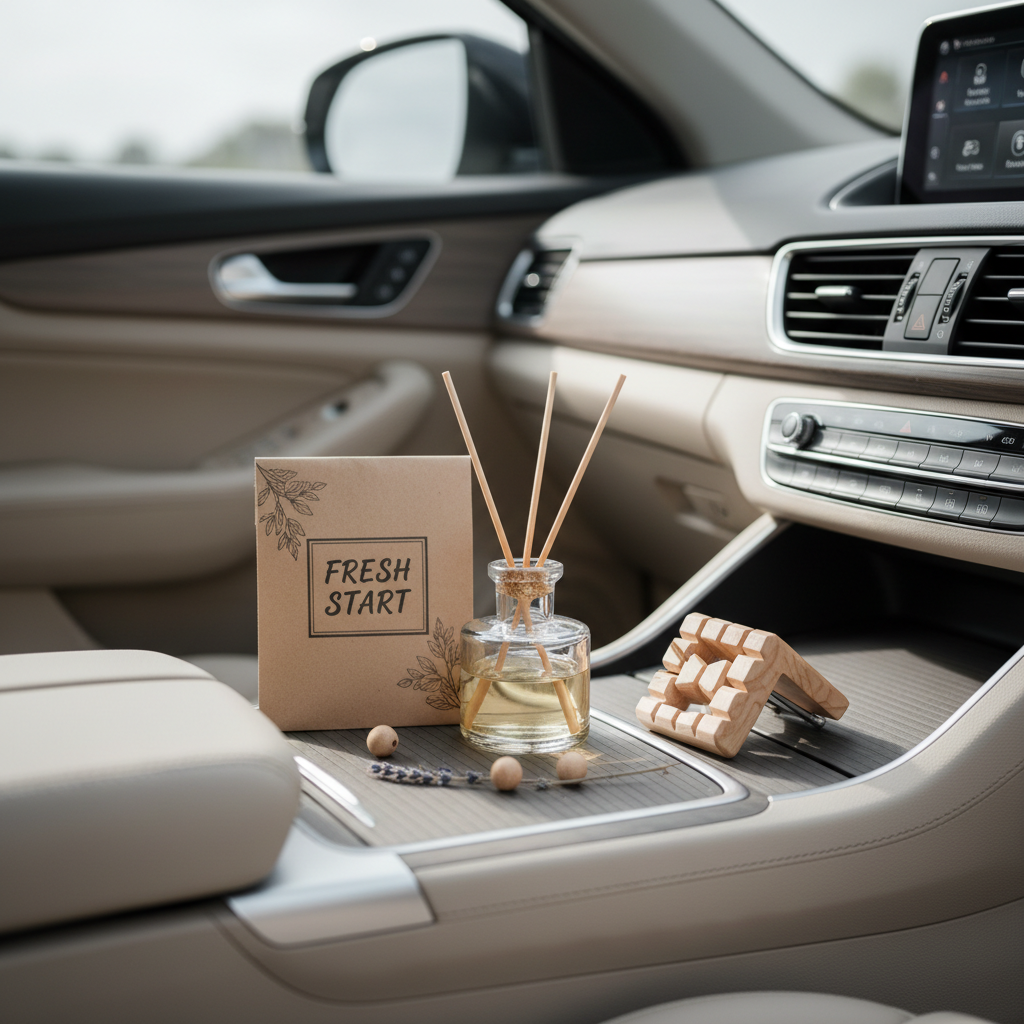
This guide breaks down what “organic” can realistically mean in car scents, what to look for on labels, and which formats tend to work best in real driving conditions. You’ll also get a quick comparison table, a buy/checklist, and a few practical ways to make any scent last longer.
What “organic” actually means for car air fresheners
Here’s the slightly awkward truth: there isn’t one universal, enforced meaning of “organic car air freshener.” Many products use the term loosely, while others use certified organic essential oils but still combine them with non-organic carriers or packaging.
When shoppers search for the best car air freshener organic, they’re often looking for one of these outcomes, sometimes all three:
- Fewer harsh chemicals and less “perfume-y” intensity
- Cleaner ingredient transparency (you can tell what creates the scent)
- Lower irritation risk for sensitive noses, kids, or pets (though no scent is risk-free)
According to EPA, indoor air quality can be affected by many sources, and ventilation matters. A car is basically a tiny indoor space, so ingredients, heat, and airflow make a big difference.
Quick comparison: organic-leaning formats and who they fit
Instead of chasing one “perfect” product, it helps to choose the format that matches your car, climate, and tolerance for scent strength.
| Format | What it’s best at | Common drawbacks | Good fit if you… |
|---|---|---|---|
| Essential oil vent clip | Fast scent throw, easy control via vent | Can be too strong, oils may stain plastics if spilled | Want adjustable strength on commutes |
| Hanging cardboard (natural inks) | Cheap, familiar, simple | Often uses fragrance blends; fades quickly in heat | Want low effort and don’t mind frequent swaps |
| Sachet (activated charcoal + botanicals) | Odor absorption with light scent | Subtle aroma, can feel “too quiet” | Hate strong scents and want neutral-clean |
| Gel or solid balm (plant-based) | Steady release, low mess | Still may include synthetic fragrance, can melt in heat | Park in shade/garage, want steady background scent |
| Refillable diffuser (wood, ceramic, glass) | Reusable, ingredient control | Requires refilling, learning curve on dosing | Prefer DIY control and less waste |
How to choose the best organic option (what to check on labels)
Most people get stuck because “natural” marketing looks convincing. If you want something closer to organic, you’ll need to scan for a few signals and a few red flags.
Green flags (usually a good sign)
- Ingredient list is specific: named essential oils (like lavender oil), not just “fragrance.”
- Carrier is disclosed: for example, plant-based base, wood diffuser, or mineral-based absorber like activated charcoal.
- Clear usage guidance: dosage, where to place it, warnings about surfaces.
- Third-party certifications where relevant (for example, organic certification on essential oils themselves). Not required, but helpful.
Red flags (not always “bad,” but worth pausing)
- “Fragrance” as the only scent descriptor, with no other detail
- Overpromises like “non-toxic for everyone” or “safe for all pets”
- No heat guidance, even though cars can reach high temps
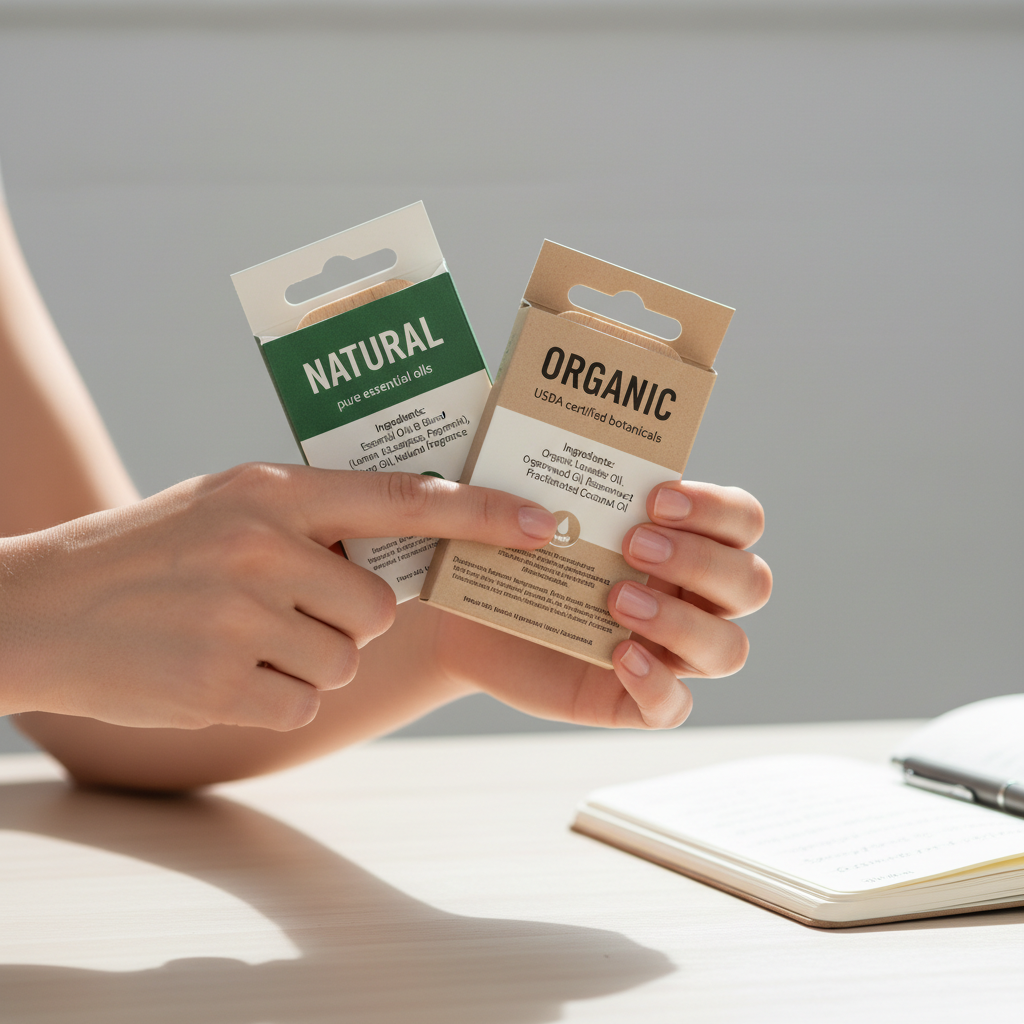
If you’re shopping online, look for product photos that show the ingredient panel, not just the front branding. That single detail often separates “nice marketing” from a brand that expects scrutiny.
Common scent goals (and what works better than masking)
People buy car fresheners for different reasons, and the “organic” angle doesn’t change the basics: if the source odor stays, you’ll keep fighting it.
If you’re dealing with food smells
- Start with removal: vacuum crumbs, wipe cup holders, check under seats.
- Then use activated charcoal sachets for a week, adding a light botanical scent if desired.
If it’s smoke or heavy perfume residue
- Replace cabin air filter, especially if it’s overdue.
- Use a neutral absorber first, then introduce a low-dose essential oil diffuser.
If it’s “mystery musty” after rain
- Check mats, trunk, spare tire well for moisture.
- Dehumidify if needed, and consider professional inspection if mold seems possible.
According to CDC, mold exposure can cause symptoms in sensitive individuals, so if you suspect ongoing dampness or mold inside the car, it’s smart to address the source and consider asking a qualified professional for help rather than relying on stronger scent.
Practical buying guide: pick your “organic level” and avoid regrets
Not everyone needs the same standard. Here’s a simple way to buy without overthinking it.
Level 1: “Less harsh, still convenient”
- Look for plant-based gels/solids or better hanging options with disclosed ingredients.
- Aim for mild, single-note scents (citrus, cedar) rather than complex “cologne” blends.
Level 2: “Ingredient control, low waste”
- Choose a refillable diffuser (wood/ceramic) and add your own essential oil blend.
- Buy smaller bottles of oils so they stay fresh and you can rotate seasonally.
Level 3: “As minimal as possible”
- Use activated charcoal or baking-soda-based odor absorbers.
- Add scent only when you want it, not constantly.
Many shoppers chasing the best car air freshener organic end up happiest around Level 2 or Level 3, mostly because it keeps intensity under your control.
How to use organic-style fresheners so they last (and don’t cause mess)
This part is where most “it didn’t work” reviews come from. Cars run hot, vents blast air, and oils behave differently than synthetic perfumes.
- Start with half-dose: one or two drops in a diffuser can be enough for a compact car.
- Keep oils off surfaces: essential oils can stain plastics, leather, or trim if spilled.
- Place smart: sachets under seats feel subtler; vent clips feel stronger and more immediate.
- Refresh on a schedule: charcoal works best when you “reset” it (often by airing in sunlight, depending on the product instructions).
- Match scent to temperature: bright citrus can feel sharp in summer heat, while woods and herbals often feel calmer.
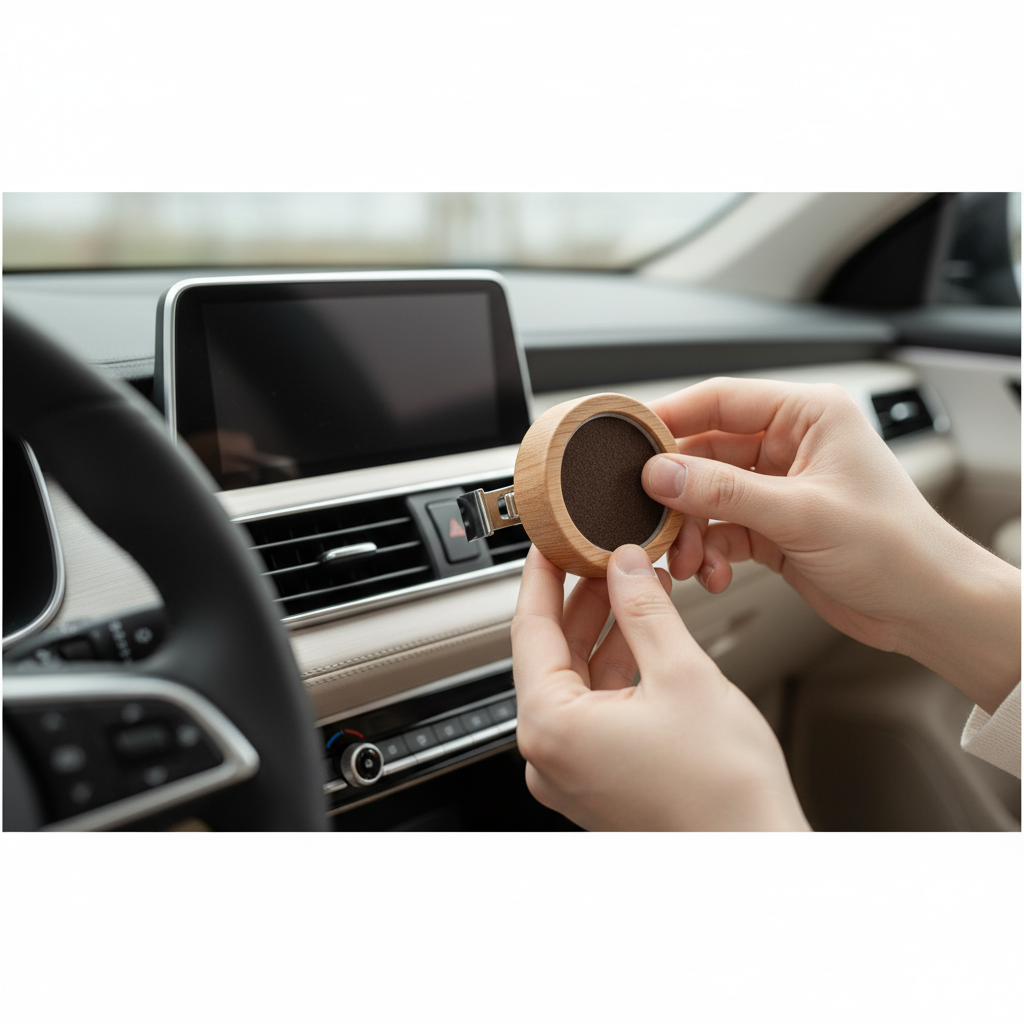
Key point: if you can smell it strongly after 10 minutes, it’s probably too much for a small enclosed cabin. Dial it back and let airflow do the work.
Safety notes and common mistakes (especially with essential oils)
“Organic” doesn’t automatically mean “harmless.” Essential oils are concentrated, and some people react to them even at low levels.
- Don’t treat scent as air cleaning: it masks, absorbs, or replaces odor, but it doesn’t fix leaks, mildew, or smoke residue.
- Avoid direct skin contact: if you spill, clean promptly and wash hands.
- Be careful with pets: some oils may be irritating to cats and dogs, and sensitivity varies. If your pet rides often, consider odor absorbers with minimal fragrance and ask a veterinarian if you’re unsure.
- Skip “more is better”: overloading a diffuser can create an intense cabin smell that’s hard to remove.
According to NIH (National Center for Complementary and Integrative Health), essential oils can cause irritation or allergic reactions in some individuals, so start low, ventilate, and stop using a scent that triggers symptoms.
Conclusion: what I’d buy if I wanted a cleaner-smelling car
If you want the best car air freshener organic experience, I’d focus less on finding a single “winner” and more on building a setup that fits your tolerance. For many drivers, the cleanest path is odor control first (charcoal or filter replacement), then a light essential-oil-based diffuser for scent.
If you only take one action this week, make it this: remove the odor source and replace the cabin air filter if it’s overdue. Once the baseline smells neutral, even a subtle organic-leaning freshener feels noticeably better, and you won’t need to overdo it.