
How to extend car engine life comes down to boring consistency: clean oil, steady temperatures, and catching small issues before they turn into expensive noise. If you want your engine to stay smooth past 150k or 200k miles, you don’t need magic additives, you need a repeatable routine.
People usually start googling this after a warning light, a rough idle, or that uneasy feeling when a car “just doesn’t sound like it used to.” The frustrating part is that many engine-killers don’t fail dramatically at first, they fail quietly through heat, dirty oil, and ignored leaks.
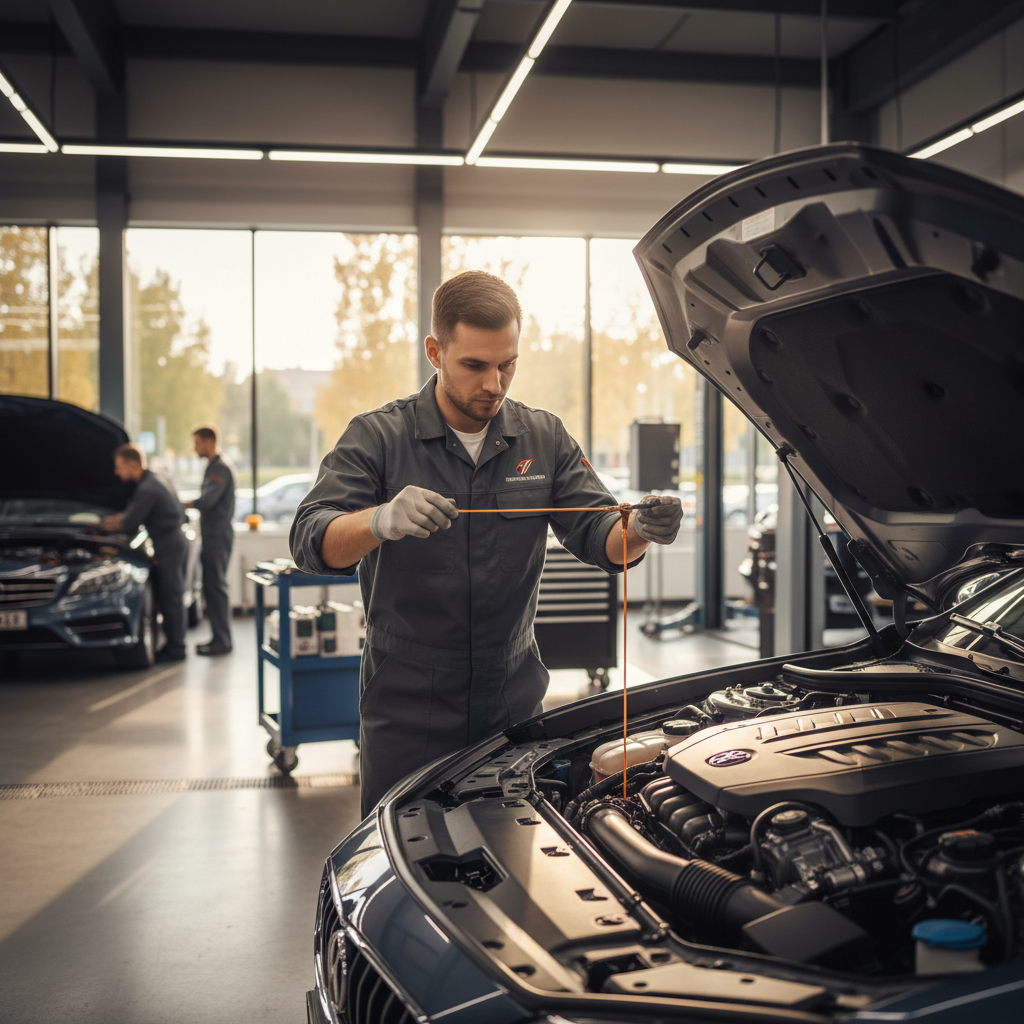
This guide focuses on what actually moves the needle for most drivers in the US: oil strategy, cooling system basics, air and fuel health, driving habits, and a simple self-check list. I’ll also call out the common “sounds helpful” advice that can waste money or even create problems.
What really shortens engine life (and why it sneaks up)
Engines usually wear out from heat, friction, contamination, and neglect, not from one single dramatic event. A few patterns show up again and again.
- Oil breakdown or wrong intervals: Old oil loses protective additives and holds more contaminants, so friction rises and internal parts wear faster.
- Overheating episodes: Even one serious overheat can warp components or weaken head gaskets. Lots of smaller “almost overheats” add up too.
- Dirty air intake: A clogged air filter can reduce efficiency, but the bigger risk is poor filtration letting fine grit into the engine.
- Ignoring small leaks: Coolant, oil, and vacuum leaks often start minor, then trigger bigger failures once levels drop or mixtures go off.
- Short trips and long idling: In many cases the engine never reaches full operating temperature, moisture and fuel dilution build up in oil, sludge risk increases.
According to AAA, staying on top of routine maintenance is one of the most practical ways to reduce unexpected breakdowns. That’s not glamorous, but it’s the core of how to extend car engine life in real-world driving.
Build an oil routine that fits your driving, not just the sticker
If you do only one thing for engine longevity, do this: make oil changes predictable and correct. Not aggressive, not lazy, just matched to how you drive.
Pick the right oil type and viscosity
- Use the viscosity in your owner’s manual (like 0W-20, 5W-30). Thicker isn’t automatically “more protective,” especially in cold starts.
- Synthetic vs. conventional: Many newer engines are designed around synthetic. In older vehicles, synthetic often helps with temperature stability, but leaks or consumption patterns can still vary by engine condition.
- Don’t overtrust “high-mileage” labels: These oils can help with seals in some cases, but they won’t fix worn rings or a real mechanical issue.
Set an interval based on your reality
Those long intervals on the dashboard assume ideal conditions. If your driving includes short trips, stop-and-go, towing, extreme heat, or lots of idling, a shorter interval often makes sense.
- Frequent short trips: consider shorter intervals because oil warms up slower and can accumulate moisture/fuel dilution.
- Highway-heavy driving: many engines tolerate longer intervals better when fully warmed and steady-state.
- Direct-injection turbo engines: some are more sensitive to oil quality and heat; follow the manual closely and don’t stretch.
According to API (American Petroleum Institute), using engine oil that meets the correct service category (for example, modern API SP for many gasoline engines) matters for wear protection and deposit control. The label on the bottle is not decoration.
Keep the engine cool: the cooling system is your insurance policy
If oil is the daily habit, cooling is the emergency prevention. Overheating tends to cause expensive damage quickly, and sometimes the symptoms look small until they’re not.
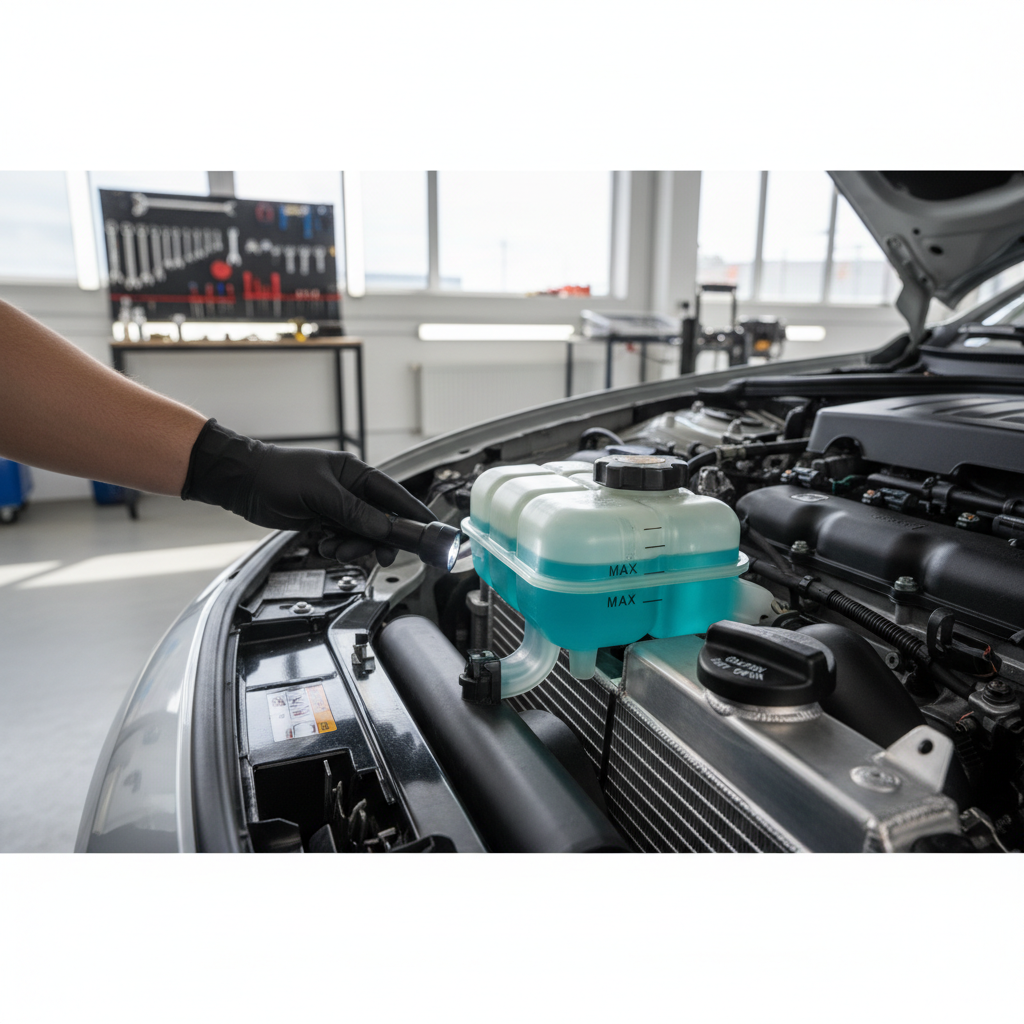
Key idea: you’re not just “adding coolant,” you’re maintaining a system with a pump, thermostat, radiator, hoses, fans, and pressure control.
- Check coolant level regularly (when the engine is cool). Low coolant usually means a leak, not “it just disappears.”
- Watch the temperature gauge: any move above normal, especially in traffic or on hills, deserves attention.
- Replace coolant on schedule: old coolant can lose corrosion inhibitors, which can damage radiators and passages over time.
- Don’t mix random coolants: types can be incompatible. If unsure, consult the manual or a shop before topping off.
According to NHTSA, warning lights and gauges are there to help drivers respond before damage occurs. If the temperature warning comes on, it’s safer to pull over and seek professional help rather than “see if it makes it home.”
Air, fuel, and spark: small parts that prevent big wear
Engines last longer when they breathe clean air, get the right fuel delivery, and ignite consistently. This is where “cheap maintenance” often prevents costly symptoms like misfires, poor acceleration, and catalytic converter damage.
Air and PCV basics
- Engine air filter: replace when dirty, and make sure it seats correctly so unfiltered air can’t bypass.
- Cabin filter: not engine-related, but if you’re maintaining one, don’t forget the other.
- PCV valve (positive crankcase ventilation): when it sticks, it can raise oil consumption and sludge risk in some engines.
Fuel system reality check
- Use Top Tier gasoline when convenient: it can help keep deposits down in many engines over time, though results vary by engine design and driving pattern.
- Be cautious with fuel additives: some are fine, some are pointless. If you already use decent fuel and maintain filters, you may not need more.
- Fix a check engine light early: driving for months with a misfire can damage the catalytic converter and create a much bigger bill.
According to U.S. EPA, a lit malfunction indicator lamp (check engine light) can indicate issues that increase emissions and potentially harm components if ignored. Translation: don’t treat it like a “maybe later” notification.
Driving habits that quietly add years
How you drive matters, but not in the dramatic “never rev your engine” way. It’s more about avoiding repeated stress patterns.
- Gentle warm-up, not long idling: drive moderately for the first few minutes so oil and coolant reach operating temp. Extended idling often just wastes fuel and builds deposits.
- Avoid constant short trips when you can: combine errands so the engine fully warms up at least a few times per week.
- Don’t ignore abnormal sounds: ticking, knocking, or a new whine under load is a “check soon” signal, not a personality trait.
- Use the right gear and don’t lug the engine: low RPM, high load (especially in higher gears) can stress bearings and increase knock risk in some engines.
- If you tow: confirm your cooling and transmission systems are up to it, and follow severe-service schedules.
If you’re trying to figure out how to extend car engine life on an older vehicle, this section is often the fastest win because it costs nothing, and it reduces heat cycles and stress immediately.
A quick self-check list (10 minutes, driveway friendly)
This isn’t a substitute for a full inspection, but it catches the common stuff early. If something looks off, a shop can confirm before damage spreads.
- Oil level: between min and max, not smelling strongly like fuel, not gritty.
- Coolant level: stable over weeks, no crusty residue around reservoir or hose connections.
- Visible leaks: fresh drips under the engine, wetness around valve cover, oil pan, coolant hoses.
- Belts and hoses: cracks, glazing, bulges, soft spots.
- Battery voltage/starts: slow cranking can lead to repeated hard starts, which is extra wear over time.
- Air filter condition: dark and clogged, or visibly dusty and deformed.
- OBD-II scan: if you have a reader, check pending codes even if the light is off.
Practical maintenance plan (with a simple table)
Most drivers don’t need an obsessive spreadsheet, just a plan you actually follow. Use your owner’s manual as the primary source, then adjust for “severe service” if your driving matches it.
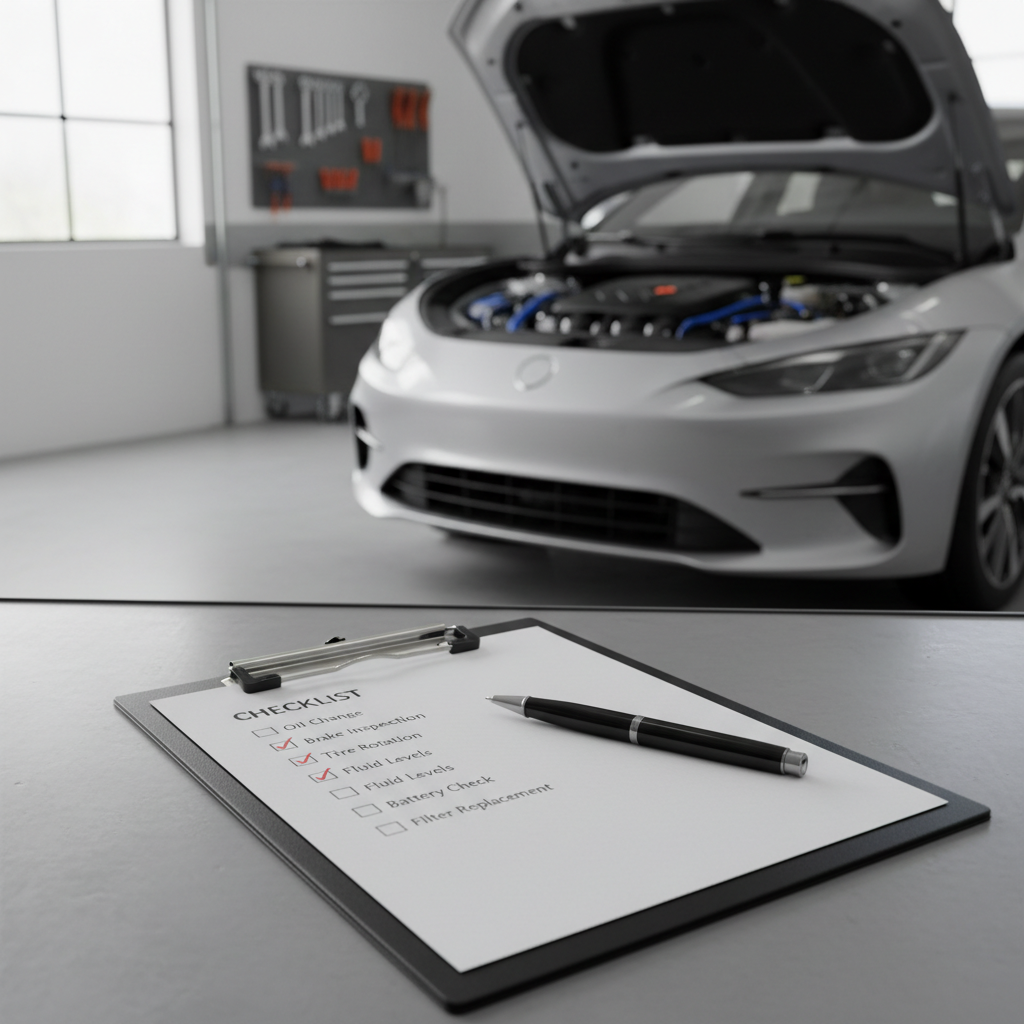
| Item | What to do | Why it helps engine life |
|---|---|---|
| Engine oil + filter | Use correct spec; change on schedule that matches driving | Reduces friction and internal wear, controls deposits |
| Coolant system | Check level; service coolant per manual; inspect hoses | Prevents overheating and corrosion inside passages |
| Air filtration | Replace air filter when dirty; ensure proper seal | Stops abrasive particles from entering cylinders |
| Spark plugs (gas) | Replace at recommended interval | Prevents misfires that can stress engine and exhaust |
| PCV system | Inspect/replace valve if sticking or clogged | Reduces sludge risk, stabilizes crankcase pressure |
| Belts/hoses | Inspect each oil change; replace when worn | Avoids sudden failures that lead to overheating |
Key takeaways you can act on this week:
- Pick one “maintenance day” each month for a 10-minute check: oil level, coolant level, leaks.
- Stop postponing warning lights: even a free parts-store scan can point you in the right direction.
- Match intervals to your driving, especially if your car lives in traffic, heat, or short-trip duty.
Common mistakes that waste money (or make things worse)
Some habits feel proactive but don’t really support longevity, and a few can cause trouble.
- Overfilling oil: too much oil can foam and reduce lubrication. If you overshoot, correct it.
- Using “one-size-fits-all” additives: many do nothing noticeable, and some can conflict with modern oil additive packages.
- Ignoring small coolant loss: topping off forever is not a strategy, it’s a delay.
- Cheap filters with poor fit: a bargain air filter that leaks around the edges can be worse than a slightly dirty quality filter.
- Assuming rough idle is “just old age”: vacuum leaks, dirty throttle bodies, worn plugs, and failing coils are often fixable.
When to get professional help (and what to ask for)
If you see consistent overheating, milky oil, heavy blue smoke, persistent misfires, or low oil pressure warnings, it’s smarter to stop experimenting and get a qualified technician involved. Continuing to drive in these conditions can cause further damage, and in some cases becomes a safety risk.
- If the temp gauge spikes: ask for a cooling system pressure test and a fan operation check.
- If oil disappears between changes: ask about leak diagnosis vs. consumption testing.
- If you have a recurring check engine light: ask for scan results in writing, plus freeze-frame data if available.
- If you suspect timing belt/chain issues: ask what symptoms they see and whether your engine is interference design, because consequences vary.
For newer vehicles under warranty, starting with the dealer can make sense. For older cars, an independent shop with strong diagnostic capability is often a better value.
Conclusion: a longer-lasting engine is usually a calmer routine
How to extend car engine life isn’t about one secret trick, it’s about stacking small, boring wins: correct oil, stable cooling, clean air, and addressing small warnings early. If you want a simple next step, schedule your next oil change based on your actual driving, then add a monthly 10-minute under-hood check so leaks and low fluids stop surprising you.
If you’re not sure which maintenance items your specific model needs next, pull up the owner’s manual maintenance chart and compare it with how you really drive, then adjust before problems force the timeline.