
How to remove car sticker glue from window glass usually comes down to two things: softening the adhesive and lifting it off without grinding grit into the glass. If you rush it, you can end up with haze, tiny scratches, or a bigger sticky mess that attracts dust.
This guide walks you through what works in real-world driveways: which products to try first, how long to let them dwell, what tools are actually safe on auto glass, and how to finish so the window looks clean in sunlight.
One quick expectation check, some sticker adhesives wipe off in minutes, others behave like dried tar and need a couple rounds. That’s normal, especially if the decal baked in the sun for months.
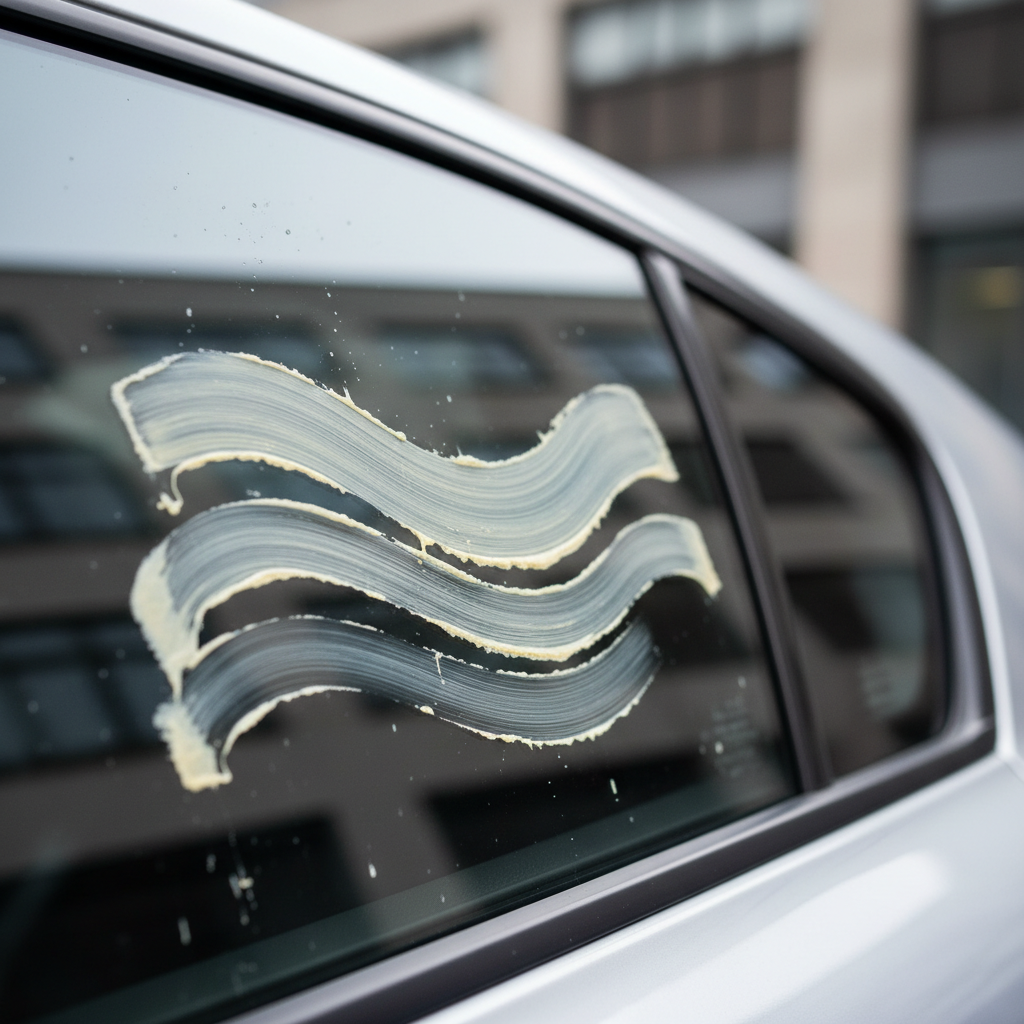
Why sticker glue sticks so hard to window glass
Auto decals often use pressure-sensitive adhesive, it stays tacky, then crosslinks over time with heat and UV exposure. That’s why a “new” sticker peels clean, while an older one leaves a gummy shadow.
In a lot of cases, the residue is mixed with road film, dust, and wax. If you scrape dry, those particles can act like sandpaper, even on tempered glass.
According to the U.S. Environmental Protection Agency (EPA), you should follow label directions for household solvents and cleaners and use adequate ventilation, which matters if you’re working in a garage with products like alcohol or adhesive removers.
Quick self-check: choose the safest method for your situation
Before you grab the strongest chemical in the cabinet, check a few details. It saves time and lowers the chance of damaging tint or nearby trim.
- Is the window tinted? Interior tint film can react to harsh solvents. Treat tinted areas more gently and test in a corner.
- Where is the residue? Exterior glass is more forgiving than areas right next to rubber seals, plastic trim, or defroster lines.
- How thick is the glue? Thick blobs respond well to a plastic razor or careful glass scraping after softening.
- What’s the weather? Warm glass helps; cold conditions often need longer dwell time.
Tools and products that usually work (and what to avoid)
You don’t need a huge kit, but the right tool makes a big difference.
Recommended basics
- Microfiber towels (several, because one gets gummy fast)
- Plastic razor scraper or plastic card for lifting softened glue
- Glass-safe razor blade (for exterior glass only, used carefully)
- Isopropyl alcohol (often effective on light residue)
- Citrus-based adhesive remover (common next step when alcohol struggles)
- Automotive glass cleaner for final wipe
Things that backfire more often than people expect
- Abrasive pads and harsh scouring powders, they can leave fine scratching or haze
- Metal tools on dry glue, especially near edges where grit accumulates
- Strong solvents on unknown tint, they can soften film or discolor edges
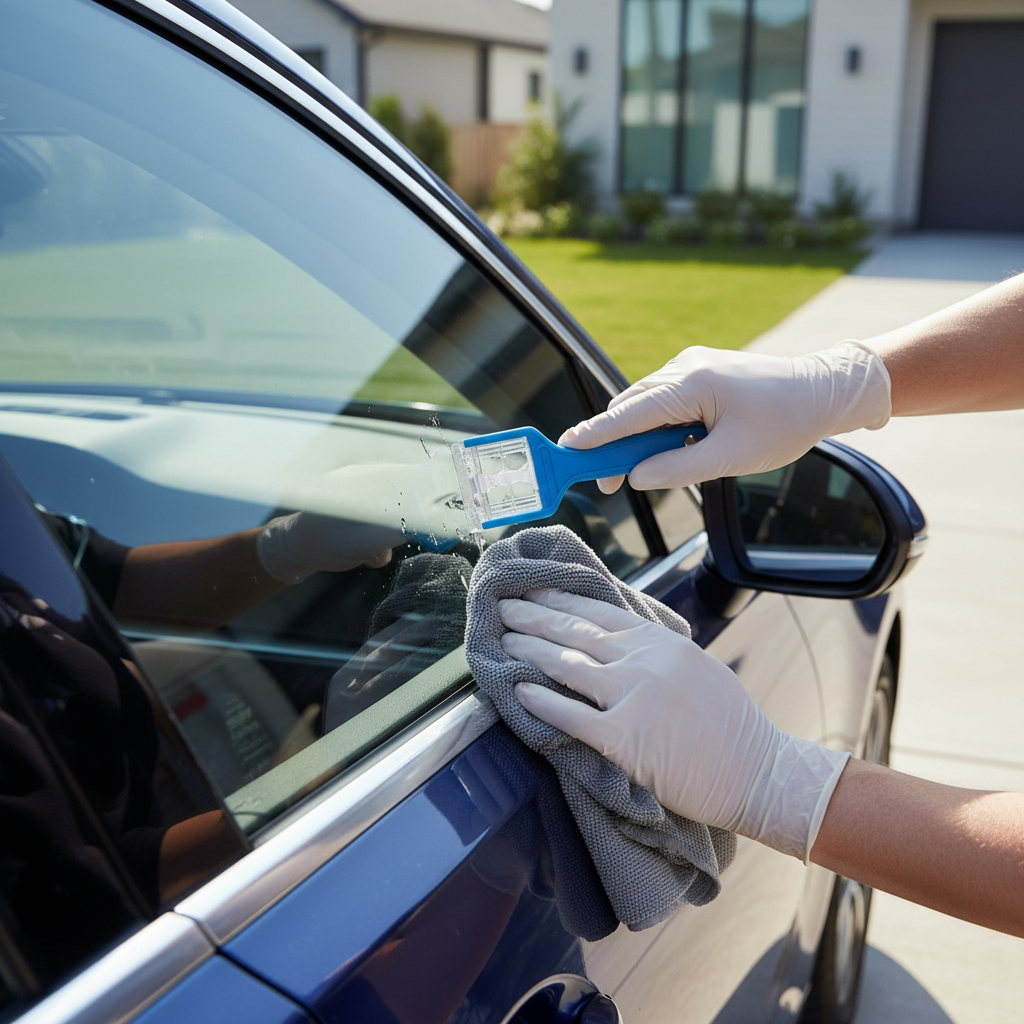
Step-by-step: how to remove car sticker glue from window glass
This is the “least aggressive first” approach. You can stop as soon as the residue releases cleanly.
1) Wash the area first (yes, even if it looks clean)
Use car shampoo or a mild soap and water, then dry. This removes grit so you don’t grind it into the glass while rubbing.
2) Warm the adhesive (optional, but speeds things up)
A hair dryer on warm, not scorching hot, can soften the glue. Keep it moving and don’t park heat on one spot, especially near rubber seals.
3) Start with isopropyl alcohol
- Wet a microfiber towel with alcohol, press it onto the residue for 30–60 seconds.
- Wipe in one direction, then switch to a clean section of towel.
- If you see smearing, that’s the glue dissolving, reapply and repeat.
4) Escalate to a citrus adhesive remover if needed
Apply a small amount, let it dwell per label directions, then wipe. Keep it off porous rubber and plastic where it can stain or leave an oily mark, and always spot-test near tinted edges.
5) Lift softened residue with a safe scraper
- Best for most people: plastic razor at a low angle, gentle pressure.
- If you use a metal razor: exterior glass only, hold very flat, keep the surface wet, and avoid rear defroster lines if you’re working on the inside.
6) Final clean to remove oily film
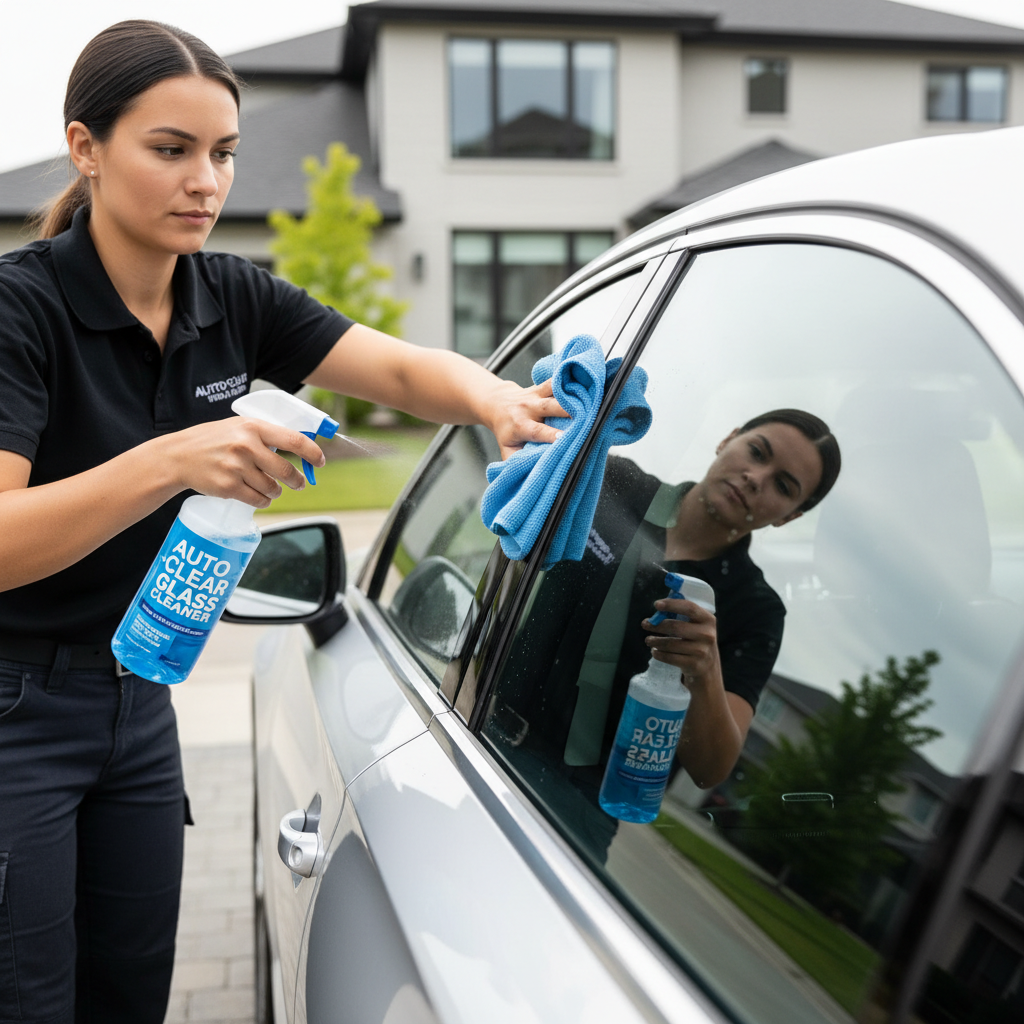
Finish with an automotive glass cleaner and a fresh microfiber towel. If the glass looks “rainbowy” in sunlight, it’s usually leftover remover film, not permanent damage, clean again with glass cleaner or a mild alcohol wipe.
Which remover should you try first? (A quick comparison table)
| Option | Best for | Pros | Watch-outs |
|---|---|---|---|
| Warm soapy water | Fresh, light residue | Low risk, cheap | Often too mild for older adhesives |
| Isopropyl alcohol | Most light-to-medium glue | Evaporates clean, widely available | Can require multiple passes, test near tint |
| Citrus adhesive remover | Stubborn, baked-on residue | Strong dissolving action | May leave oily film, keep off trim |
| Plastic scraper | Thick residue after softening | Good control, low scratch risk | Still needs lubrication and patience |
| Razor blade (glass) | Very stubborn exterior glue | Fast when done correctly | Risky on tint/defroster lines, angle matters |
Common mistakes that cause scratches, haze, or “sticky forever” spots
- Rubbing dry residue: the towel drags grit across the glass, and the adhesive just rolls into little balls.
- Not letting remover dwell: many products need a minute to penetrate; wiping instantly often spreads glue wider.
- Using one towel too long: once saturated, it smears. Rotate towels more than you think you need.
- Forgetting edge cleanup: adhesive collects at sticker edges, a quick pass with a corner of microfiber prevents a visible outline.
- Overdoing pressure with a blade: if you feel the blade “chattering,” stop and re-wet the surface.
When you should stop DIY and get help
If you’re dealing with aftermarket tint and the residue sits close to the tint edge, or you see the film lifting, it’s smarter to contact a tint shop. Replacing tint can cost more than the sticker removal itself.
Also consider a pro detailer if the sticker sat on the glass for years and left a visible “ghost” outline that doesn’t change after multiple clean cycles. Sometimes it’s not glue at all, it’s surface contamination or uneven weathering, and the fix may involve specialized glass polishing products and technique.
Key takeaways (so you don’t overthink it)
- Clean first to avoid turning dust into scratches.
- Soften, then lift, time and dwell beat brute force.
- Alcohol first, adhesive remover second for most cases.
- Plastic scraper is the safe default, razors belong on exterior glass with care.
Conclusion
If you’re trying to figure out how to remove car sticker glue from window glass, the most reliable path is gentle heat, a safe solvent, and a controlled scrape only after the residue softens. Give the product time, swap towels often, and finish with a proper glass cleaner so you don’t leave an oily film that shows up at night.
If you want one action to take today, start with an alcohol dwell and microfiber wipe, then step up to a citrus remover only if the glue keeps smearing.
FAQ
How do I remove sticker glue from a tinted car window without damaging it?
Work gently and test first, especially near tint edges. In many cases, a mild alcohol wipe and a plastic scraper do the job, while stronger solvents should be used cautiously and only after a spot test.
Can I use a razor blade to remove adhesive from car window glass?
On exterior glass, a clean razor at a very low angle can work, but it’s easy to slip or create fine marks if the surface isn’t wet. Avoid using a blade on interior tint or across rear defroster lines.
What removes old, baked-on decal adhesive the fastest?
A dedicated adhesive remover with proper dwell time usually beats quick wiping. “Fastest” often still means two or three cycles: apply, wait, wipe, then repeat until the towel stops picking up glue.
Why does the glue smear instead of coming off?
Smearing usually means the adhesive is softening but not fully dissolved, or the towel is saturated. Reapply remover, wait a bit longer, and switch to a clean microfiber section.
Will WD-40 remove sticker residue from glass?
It can help loosen some adhesives, but it often leaves an oily film that needs extra glass cleaning. If you use it, keep it off trim and finish with a proper glass cleaner.
How do I get rid of the cloudy film after removing the sticker?
That haze is commonly leftover remover or redistributed adhesive. Clean again with glass cleaner and a fresh towel, and if needed, do a quick pass with alcohol to cut oils.
Is it safe to use acetone on car window adhesive?
Acetone can dissolve some adhesives, but it may damage tint, rubber, plastics, or nearby paint in many situations. If you’re unsure about materials, it’s safer to choose a glass-safe adhesive remover and spot-test.
How long should I let adhesive remover sit on the residue?
Follow the product label, but in practice it’s often 30 seconds to a few minutes. If it dries out, reapply, dried remover tends to make wiping harder.
If you’re working through multiple stickers or dealing with older residue that keeps coming back, a dedicated automotive adhesive remover kit with plastic scrapers and quality microfiber towels can be a more convenient, less frustrating setup than improvising with random household items.