
Best car first aid kit for road emergency travel usually means one thing in real life: a kit you can actually find fast, open fast, and use with shaky hands on the shoulder of a highway.
Most people buy a “car kit” once, toss it in the trunk, and never look again until something happens, a bloody fingertip, a bike spill at a rest stop, a kid with carsickness, or a minor burn from a camp stove. When that moment hits, the difference between a decent kit and a frustrating one is organization, freshness of supplies, and whether it matches your actual driving habits.
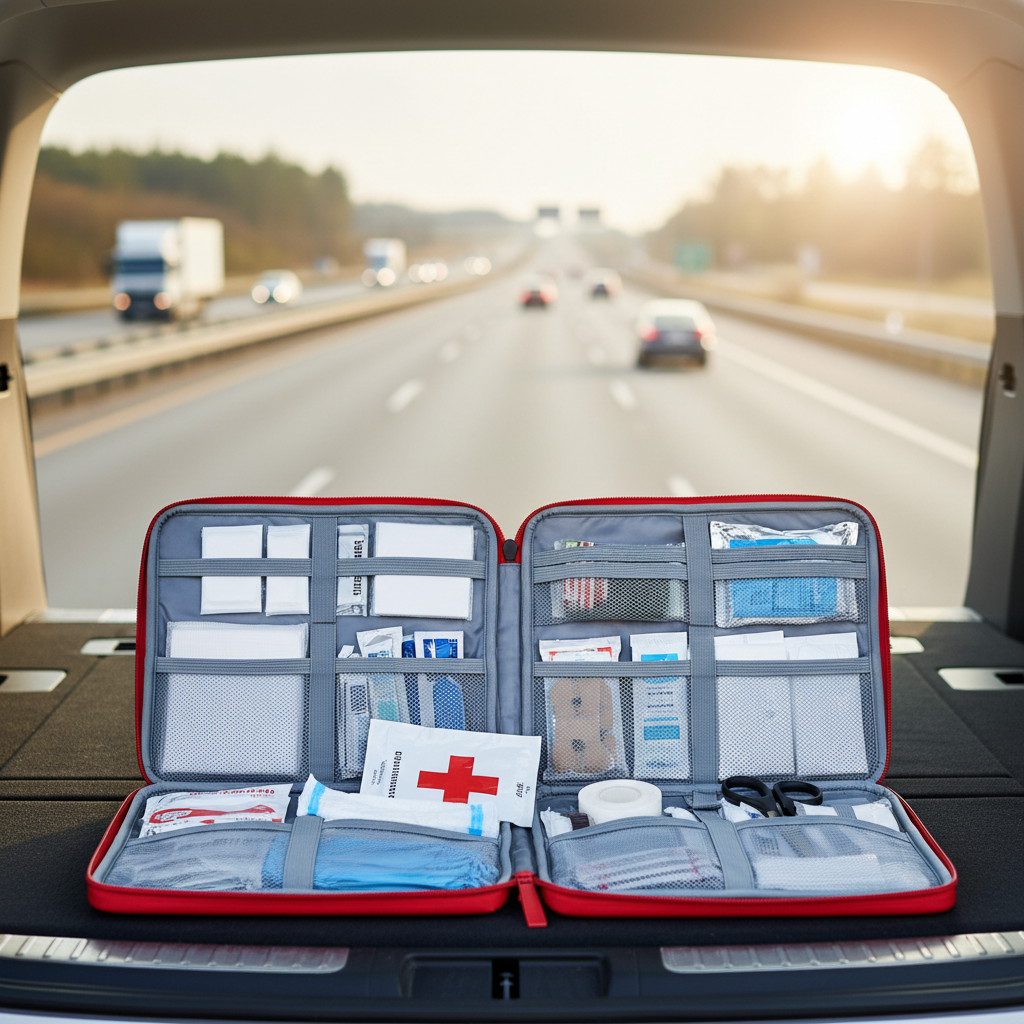
This guide helps you choose a kit that fits U.S. road travel, from commuting to long-distance trips, and it also flags the items that look “complete” on a product page but often disappoint when you need them. I’ll keep it practical, and when a situation crosses into “don’t DIY,” I’ll say so.
What “best” really means for a car first aid kit
There isn’t one perfect kit for everyone, because a downtown commuter, a desert road-tripper, and a family doing weekend tournaments face different risks. A useful way to define “best” is: covers likely injuries, stays usable in a hot/cold car, and supports safe escalation when things get serious.
- Likely injuries: cuts, scrapes, minor burns, blisters, sprains, allergic reactions, headaches, nausea.
- Usable in the car: clear labeling, quick-open case, supplies that won’t melt, leak, or crumble.
- Safe escalation: gloves, barrier for CPR, a way to control bleeding while waiting for 911.
According to the American Red Cross, first aid focuses on immediate care until professional help is available, and training matters for higher-risk situations like severe bleeding or shock. A kit supports that, it does not replace judgment or medical care.
Quick self-check: which kit type fits your driving?
If you match yourself to a scenario first, you avoid paying for the wrong “tacticool” extras or, worse, missing basics.
Pick the closest profile
- Daily commuter: you need fast access, small footprint, and common meds for headaches/allergies (if appropriate for your household).
- Family road trips: you need more bandages, kid-safe options, and nausea support, plus duplicates because kids burn through supplies.
- Outdoor + highway miles: you need stronger bleeding control, blister care, and a more durable case that won’t burst in a gear pile.
- Remote driving (desert/mountains): you may want extra gauze, a second pair of gloves, and a printed quick guide because cell service can be spotty.
If you’re unsure, default to “family road trip” sizing, it’s usually the most balanced for road emergency travel without getting ridiculous.
What a good car kit should include (and what’s optional)
Many kits inflate item counts with tiny bandages and low-value pieces. Focus on coverage, not the number on the box.
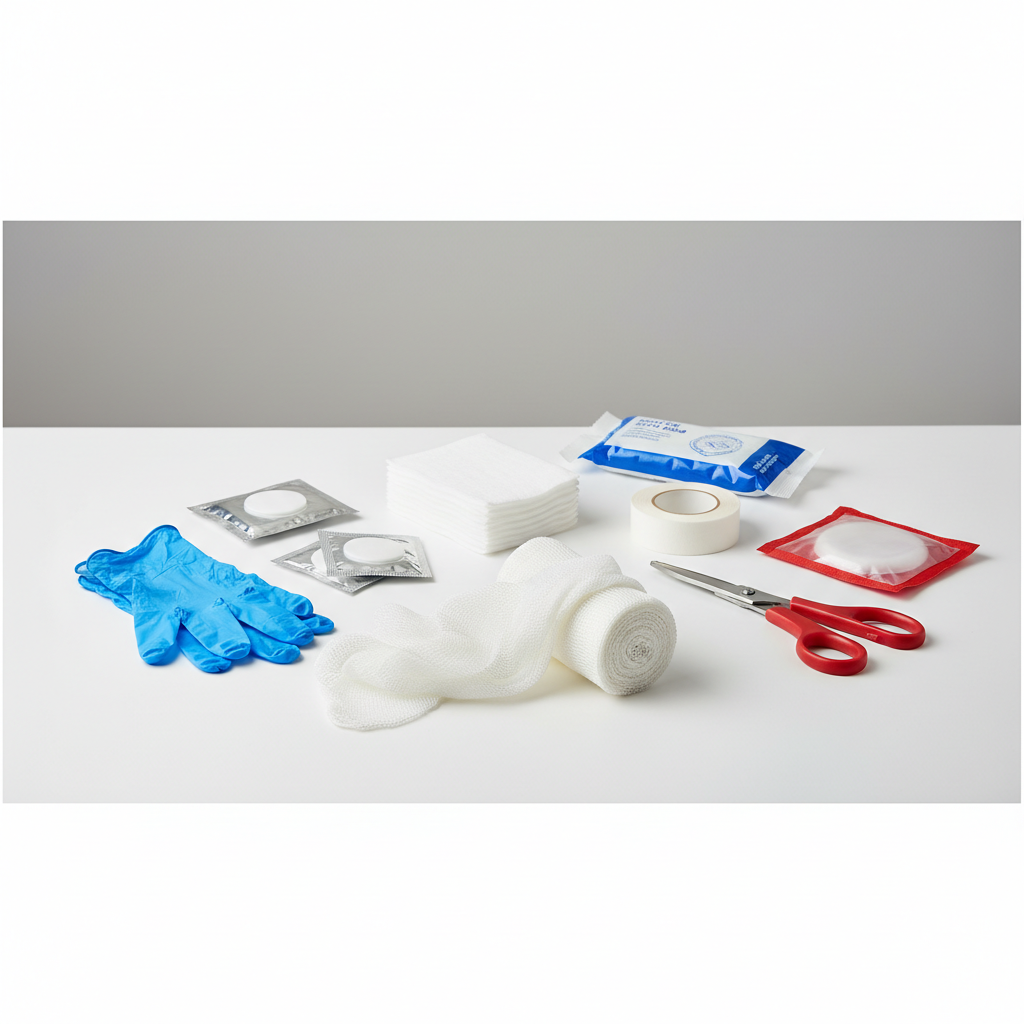
Core items that carry most situations
- Nitrile gloves (2–4 pairs): latex-free and more durable in many cases.
- Assorted adhesive bandages: include knuckle and fingertip shapes, not only small strips.
- Sterile gauze pads + roll gauze: for larger scrapes and dressing wounds.
- Medical tape: wide enough to actually hold gauze, cheap tape often fails when sweaty.
- Antiseptic wipes: convenient for roadside cleanup, though big wounds still need proper care.
- Burn gel or burn dressing: minor burns happen more than people expect during travel.
- Instant cold pack: for bumps/sprains when ice isn’t available.
- Small scissors (or trauma shears): cutting tape/gauze safely matters.
- Tweezers: splinters, cactus spines, ticks in some regions.
- CPR face shield: a small barrier, especially if you travel with groups.
Helpful “car-specific” extras
- Triangular bandage: makes a quick sling or a wrap.
- Saline pods: for eye irrigation from dust, sand, or debris.
- Blister care (moleskin or hydrocolloid): rest stops and hikes surprise people.
- Thermometer: not required, but useful for family travel.
Medications: useful, but handle with care
Over-the-counter meds can be practical for road trips, but they’re also where people make mistakes. If you carry pain relievers, antihistamines, anti-diarrheals, or motion-sickness meds, store them in original packaging when possible and check age restrictions, interactions, and driving warnings. When kids are involved, consider asking a pediatrician what’s appropriate for your family.
Comparison table: how to choose without overthinking
Use this as a buying filter. A kit can be “good” even if it’s not huge, as long as it matches the scenario and stays organized.
| Kit type | Best for | Strengths | Common gaps to watch |
|---|---|---|---|
| Compact glovebox kit | Commuters, city driving | Always within reach, quick for small cuts | Not enough gauze, weak tape, no cold pack |
| Standard car kit (zip case) | Most road emergency travel | Balanced supplies, decent organization | Item count inflation, flimsy scissors |
| Family/road trip kit (larger) | Kids, long drives, carpools | Duplicates, more bandage variety | Bulky, meds may expire in heat |
| Trauma-oriented kit | Remote highways, outdoor-heavy travel | Better bleeding control options | Requires know-how, may skip everyday items |
How to set up your kit so it’s usable on the roadside
Buying the best car first aid kit for road emergency travel is only half the job, how you store it decides whether it helps or becomes clutter.
Placement that makes sense in an emergency
- Primary kit: in the cabin or a side trunk pocket, not buried under luggage.
- Backup basics: a few bandages and wipes in the glovebox for quick grabs.
- If you travel with multiple drivers: tell everyone where it is, this sounds obvious until it isn’t.
Mini organization that saves time
- Put gloves + gauze + tape in the first compartment, that’s your “bleeding control” trio.
- Keep meds in a separate labeled pouch, away from sharp tools.
- Add a simple card: allergies, emergency contacts, any key medical notes, especially for family trips.
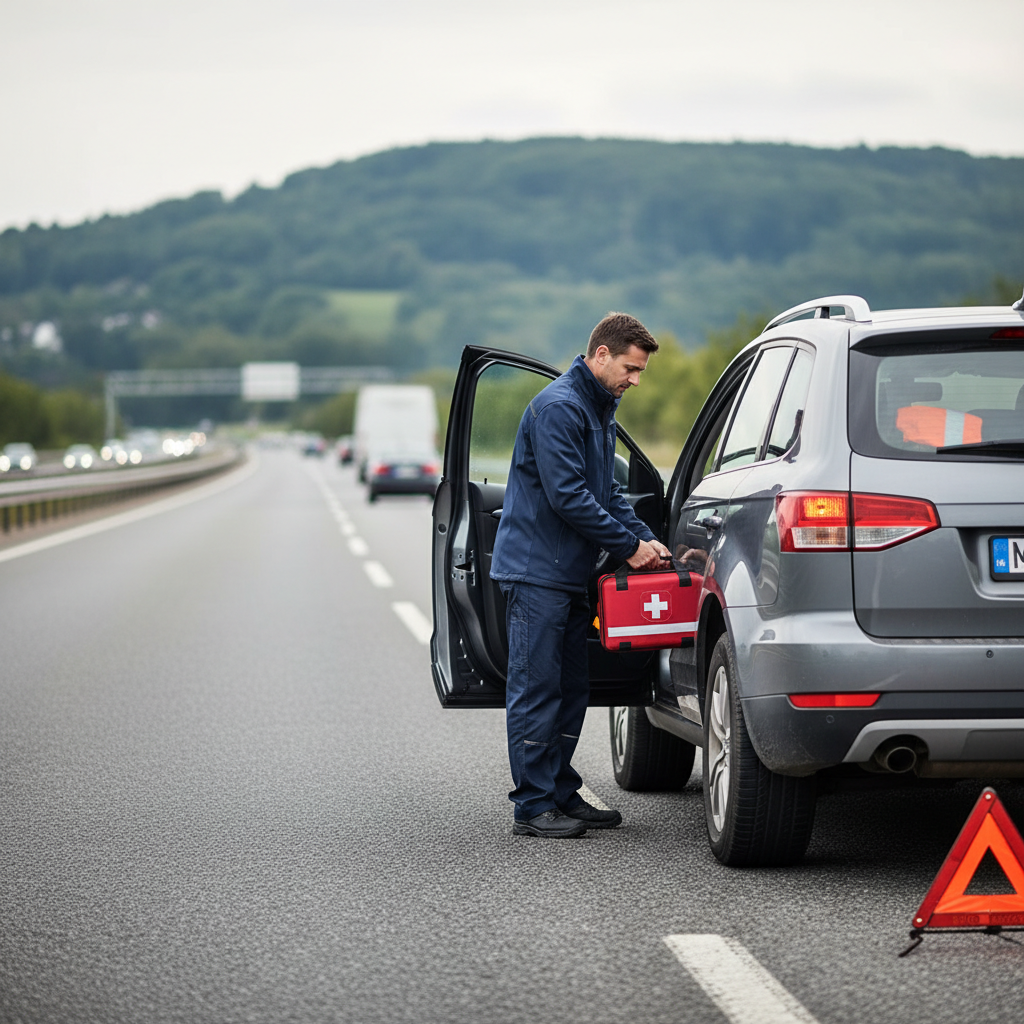
According to the National Highway Traffic Safety Administration (NHTSA), being prepared for roadside emergencies can reduce risk while you wait for help. A kit that’s reachable without stepping into traffic is part of that preparation.
Maintenance: the part people skip, and why it matters
Heat cycles in a parked car can shorten shelf life for certain items. If you only do one thing after buying a kit, do this: set a recurring reminder.
- Every 6 months: check adhesives, tape stickiness, wipe packets for drying, glove condition.
- Once a year: review expiration dates on sterile items and any medications.
- After any use: restock immediately, even if you used “just one” gauze pad.
Reality check, a lot of “expired” items still look fine, but sterility and effectiveness are exactly the things you can’t eyeball. When in doubt, replace the critical pieces.
Common mistakes when shopping for a car first aid kit
These are the patterns that lead to regret purchases.
- Chasing huge item counts: 200 pieces of tiny bandages won’t help a larger wound.
- Ignoring case quality: cheap zippers and weak stitching fail after a couple summers in the trunk.
- Buying trauma gear without training: some tools require instruction to use safely, consider a basic first aid course.
- Storing it too deep: a perfect kit under suitcases is basically a donation to your future self.
- Assuming “one kit covers all”: if you also camp or off-road, you may need a separate add-on pouch.
When to call for help instead of relying on the kit
A first aid kit supports early care, but some symptoms should push you toward urgent evaluation. If you’re unsure, it’s usually safer to call 911 or seek medical help.
- Severe bleeding that won’t slow with firm pressure
- Head injury with confusion, vomiting, or worsening headache
- Chest pain, trouble breathing, or signs of stroke
- Severe allergic reaction with swelling, wheezing, or widespread hives
- Deep burns, large area burns, or burns on face/hands/genitals
According to the Centers for Disease Control and Prevention (CDC), recognizing emergencies and getting appropriate care quickly can be critical, and first aid steps should never delay professional help when red flags appear.
Practical buying checklist (save this)
If you want a simple standard for the best car first aid kit for road emergency travel, check these boxes before you buy:
- Clear inventory list with quantities that make sense
- Real gauze + tape, not only adhesive strips
- At least 2 pairs of nitrile gloves
- Quality tools you can grip, especially scissors/tweezers
- Organized case with labeled sections or internal pockets
- Room to add your own items like personal meds or a spare inhaler (as prescribed)
Key takeaways
- Best means usable, organized, and matched to how you drive, not the biggest piece count.
- Prioritize gloves, gauze, tape, antiseptic, and a cold pack, those cover most road issues.
- Store the kit where you can reach it safely, and schedule maintenance to replace expired or heat-damaged items.
- For serious symptoms, call for help, a kit should not delay emergency care.
FAQ
What is the best car first aid kit for road emergency travel if I only drive in the city?
For city driving, a compact or standard kit works well as long as it has gloves, gauze, tape, antiseptic wipes, and decent scissors. The bigger priority is keeping it within reach, not buried in the trunk.
Do car first aid kits expire in hot weather?
Some components can degrade faster with heat, especially adhesives, wipes, and medications. Sterile items and packaged products also have expiration dates, so a twice-yearly check is a reasonable habit for many drivers.
Should I keep a first aid kit in the trunk or the cabin?
If you can, keep the main kit where you can access it without standing in traffic, often the cabin or a side compartment. A small backup in the glovebox can help for quick bandage-level issues.
What supplies help most for bleeding until help arrives?
Gloves, sterile gauze pads, roll gauze, and strong medical tape are the workhorses, because they let you apply firm pressure and build a stable dressing. If bleeding looks severe or won’t slow, call 911.
Are “trauma kits” necessary for normal road trips?
Many people don’t need a trauma-focused setup for typical travel, and some items require training to use safely. If you drive remote highways or do outdoor-heavy trips, a more robust kit can make sense, ideally paired with a reputable first aid course.
Can I bring OTC medicine in a car first aid kit?
You can, but be selective and store it responsibly. Check labels for drowsiness warnings, watch for interactions, and be extra cautious with children or anyone who has medical conditions, when in doubt, ask a pharmacist or clinician.
How often should I restock my car first aid kit?
Restock immediately after you use anything important, and do a scheduled review at least yearly for expiration dates. Many drivers find a 6-month quick check helps catch dried wipes or failing tape before it matters.
Final thoughts and a simple next step
If you want to stop guessing, buy a well-organized kit that covers the core supplies, place it where you can reach it quickly, then set a calendar reminder to inspect it twice a year. That combination tends to beat a “bigger” kit every time, especially when road emergency travel gets stressful.
If you need a more hands-off approach, look for a kit that includes a clear refill list and leaves space for your personal add-ons, then do one quick restock after each trip, your future self will notice.