
how to check car power steering fluid is one of those small maintenance checks that can save you from loud whining noises, heavy steering feel, and an expensive pump replacement later.
If your steering suddenly feels “off,” the fluid level is one of the first things worth verifying because it’s quick, cheap, and often revealing. The tricky part is that the correct method changes depending on whether your car uses a dipstick cap, a translucent reservoir, or (in newer models) electric power steering with no fluid at all.
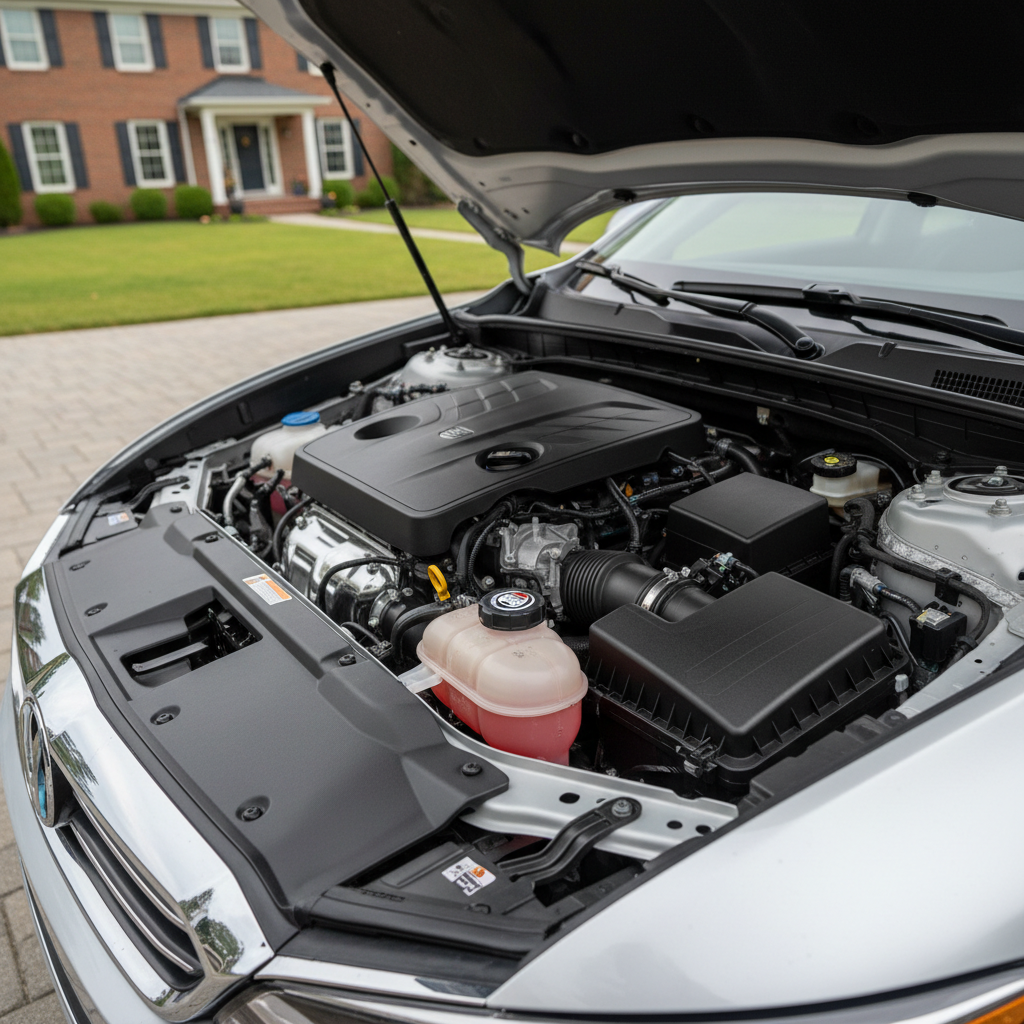
This guide keeps it practical: what to look for, how to read “HOT/COLD” marks correctly, how to top off without making a mess, and when a low level usually points to a leak rather than “normal use.”
What power steering fluid does (and why the level matters)
In hydraulic power steering systems, the fluid transfers pressure from the pump to help you turn the wheel with less effort. When the level drops, air can enter the system and the pump can cavitate, which often sounds like a whine or groan during turns.
Beyond noise, low fluid can also mean heat and wear. According to NHTSA, a loss of power steering assist can increase steering effort and may contribute to safety risk in certain driving situations. That’s why checking the reservoir is more than a “nice to have.”
Before you check: identify what system you have
Not every car has power steering fluid. Many newer vehicles use electric power steering (EPS), which has no hydraulic reservoir to check.
Quick identification checklist
- You probably have hydraulic power steering if you see a small reservoir labeled “Power Steering,” “PS,” or a steering wheel icon, plus hoses running to a pump.
- You might have EPS if there’s no reservoir and your owner’s manual mentions “electric power steering” or “EPS.”
- When in doubt, check the owner’s manual index for “power steering fluid” or “reservoir.”
One more thing that trips people up: some vehicles use automatic transmission fluid (ATF) in the power steering system, while others require a dedicated power steering fluid. The cap or manual usually spells that out, and it matters.
How to check car power steering fluid (dipstick cap vs. see-through reservoir)
The basic goal is simple: confirm the fluid sits between the MIN and MAX range for the current temperature. The details depend on reservoir style.
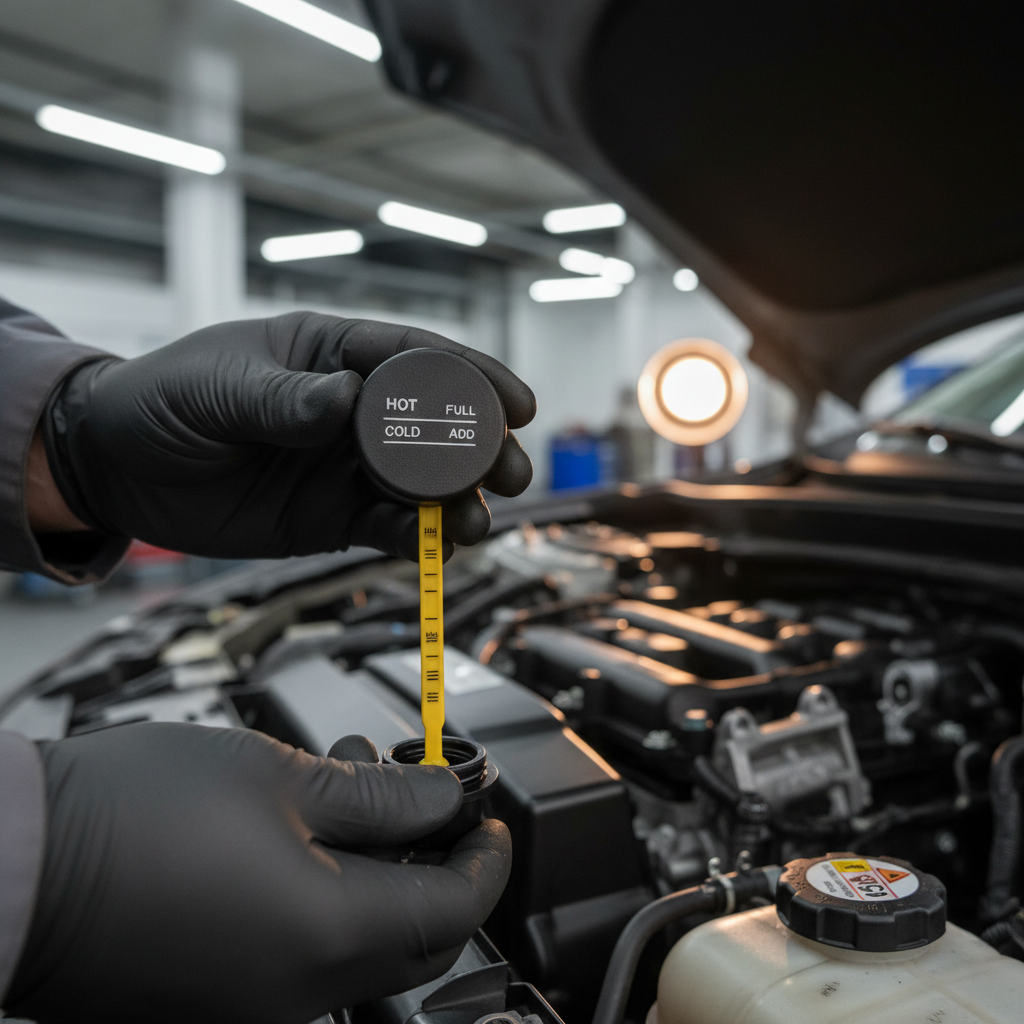
Method A: Reservoir with dipstick built into the cap
- Park on level ground, set the parking brake, and let the engine cool if you’re unsure which marks to use.
- Find the power steering reservoir, wipe dirt from the cap area so nothing falls inside.
- Remove the cap, then wipe the dipstick clean with a lint-free rag.
- Reinsert the cap fully, remove again, and read the level.
- Look for separate markings: “COLD” range (engine off/cool) and “HOT” range (after driving, warm system).
Method B: Translucent reservoir with MIN/MAX lines
- With the engine off, locate the reservoir and inspect the sidewall level lines.
- Use a flashlight if the plastic is stained or the fluid is dark.
- Compare the fluid height to MIN/MAX or COLD/HOT indicators.
Key point: Don’t guess using a “middle” level if the reservoir has HOT and COLD zones. If you check cold, use cold marks. If you check warm, use hot marks.
What the level, color, and smell can tell you
Checking the reservoir isn’t only about the line. You’re also looking for clues that explain why the level changed or why steering feels weird.
| What you see | What it often means | What to do next |
|---|---|---|
| Below MIN / below COLD range | Likely leak, or level not checked at correct temp | Top off to spec, then inspect for leaks and recheck in a few days |
| Foamy or bubbly fluid | Air in system, low level, loose hose clamp, or suction leak | Bring to correct level, check hose connections; persistent foam needs diagnosis |
| Very dark fluid | Heat/age contamination | Consider a fluid exchange/flush per manual, especially if steering noise exists |
| Burnt smell | Overheating, pump strain | Avoid hard driving, check level and leaks; shop inspection often smart |
| Over MAX | Overfilled, expansion when warm, messy spill risk | Remove small amount with a suction tool; clean spills to protect belts/hoses |
Topping off correctly (without causing new problems)
If the level is low, topping off is usually straightforward, but choosing the right fluid and not overfilling matters more than people expect.
Step-by-step top-off
- Confirm the correct fluid type on the cap or in the owner’s manual. Some systems specify ATF; others require a particular power steering fluid standard.
- Clean around the reservoir opening so grit stays out.
- Add small amounts using a clean funnel.
- Pause and recheck the dipstick/lines after each small pour.
- Stop at the appropriate mark for your temperature range.
If you spilled fluid, wipe it up. Power steering fluid can make rubber hoses swell over time, and it can also create belt slip if it gets onto a drive belt.
Self-check: are you dealing with “low fluid” or a leak?
In many cases, power steering fluid shouldn’t drop noticeably unless there’s seepage or a leak. So after you learn how to check car power steering fluid, the next question is whether the system is losing it.
A quick leak-suspect checklist
- You need to top off more than once within a few weeks.
- You see wetness around the pump, reservoir seam, hose crimps, or rack-and-pinion boots.
- There are reddish/amber stains on the driveway (color varies by fluid type).
- The pump whines more during turns, especially at idle.
Sometimes the “leak” is slow seepage that only shows up as grime buildup. If you’re unsure, cleaning the area and checking again after a couple drives can make the source easier to spot.

Common mistakes that lead to wrong readings (or more damage)
- Checking at the wrong temperature: reading HOT marks with a cold system can make you overfill.
- Using “universal” fluid blindly: many are compatible, but some vehicles are picky; mismatched fluid can affect seals or feel.
- Overfilling: excess fluid can aerate, leak out of the cap/vent, or make a mess that looks like a new leak.
- Ignoring foam: bubbly fluid often signals air ingress; topping off alone may not solve it.
- Assuming EPS has fluid: if you can’t find a reservoir, don’t force it—check the manual.
According to AAA, keeping up with basic fluid checks is part of preventive maintenance that helps reduce breakdown risk. The bigger win is catching a small seep before it becomes a steering issue at the worst time.
When it’s time to involve a pro
If you top off and the level drops again, that’s typically not “normal consumption,” it’s usually a leak that needs a real fix. Also consider professional help if any of the following show up:
- Steering becomes suddenly heavy or inconsistent
- Loud whining persists even at the correct level
- Visible fluid spraying or dripping (don’t keep driving if the level is falling fast)
- Fluid looks milky or badly foamed after gentle driving
If steering assist feels unreliable, driving may be unsafe in some situations, so a tow or mobile mechanic visit can be the calmer choice. A qualified technician can pressure-test the system and confirm whether the pump, rack, or hoses cause the loss.
Conclusion: a simple check that prevents bigger steering problems
Knowing how to check car power steering fluid gives you a fast way to confirm whether a steering noise or heavy feel has a straightforward cause. Read the correct HOT/COLD marks, use the specified fluid, and treat repeat low readings as a leak signal rather than a one-time inconvenience.
If you want one simple action, do this: check the level today, then check it again in a week. If it drops, you have your answer and you can plan the repair before the problem gets louder, or more expensive.
FAQ
How often should I check power steering fluid level?
Many drivers check it during oil changes or every couple months. If your vehicle has a known seep or you just topped off, recheck within a week to see if the level trends down.
Can I check power steering fluid when the engine is hot?
Yes, if your reservoir has HOT marks and you follow them. Just be cautious around hot engine components, and avoid opening anything pressurized; the power steering reservoir typically isn’t pressurized like a radiator, but heat still matters.
What if my cap says “Use ATF” instead of power steering fluid?
Then use the ATF specification your manual calls for. Some systems are designed around ATF additives and viscosity, and swapping fluid type can cause noise or seal issues in some cases.
Is it normal for power steering fluid to be a little low?
A tiny change can happen with temperature and how you read the marks, but repeated low readings usually indicate a leak or seep. Hydraulic systems generally don’t “consume” fluid the way engines can consume oil.
Why does my steering whine even though the fluid is full?
It could be aerated fluid, a failing pump, a restriction, or a belt issue (if belt-driven). If the noise persists after confirming correct level and fluid type, a shop diagnosis is often the quickest path.
Can I just top off and ignore a small leak?
Some people do for a while, but it’s a gamble. Leaks often worsen, and running low can damage the pump. If you’re topping off more than occasionally, it’s usually worth finding the source.
How do I know if my car has electric power steering and no fluid?
If there’s no reservoir and the manual references EPS, you likely have electric assist. In that case, steering issues won’t be fixed by checking fluid, and you’ll want diagnostics focused on sensors, motor, or the steering column module.
If you’re still unsure which reservoir you’re looking at, what fluid your vehicle takes, or why the level keeps dropping, a quick check with a trusted local mechanic or parts counter can save time and prevent mixing the wrong fluid into the system.