
Best car air filters for performance gain usually come down to one trade-off: airflow versus filtration, and the “right” answer depends on your engine, your driving, and how much maintenance you’ll actually do.
If you’re chasing a little sharper throttle response or you just want to remove a bottleneck in the intake tract, a low-restriction filter can help, but expectations matter, on many modern stock vehicles the gains are modest unless the factory setup is unusually restrictive or you’ve already changed other parts.
What you can control is picking a filter type that fits your goals, installing it correctly, and keeping it clean, that’s where most people either win easy performance or accidentally add problems like extra intake dirt, MAF sensor contamination, or poor sealing.
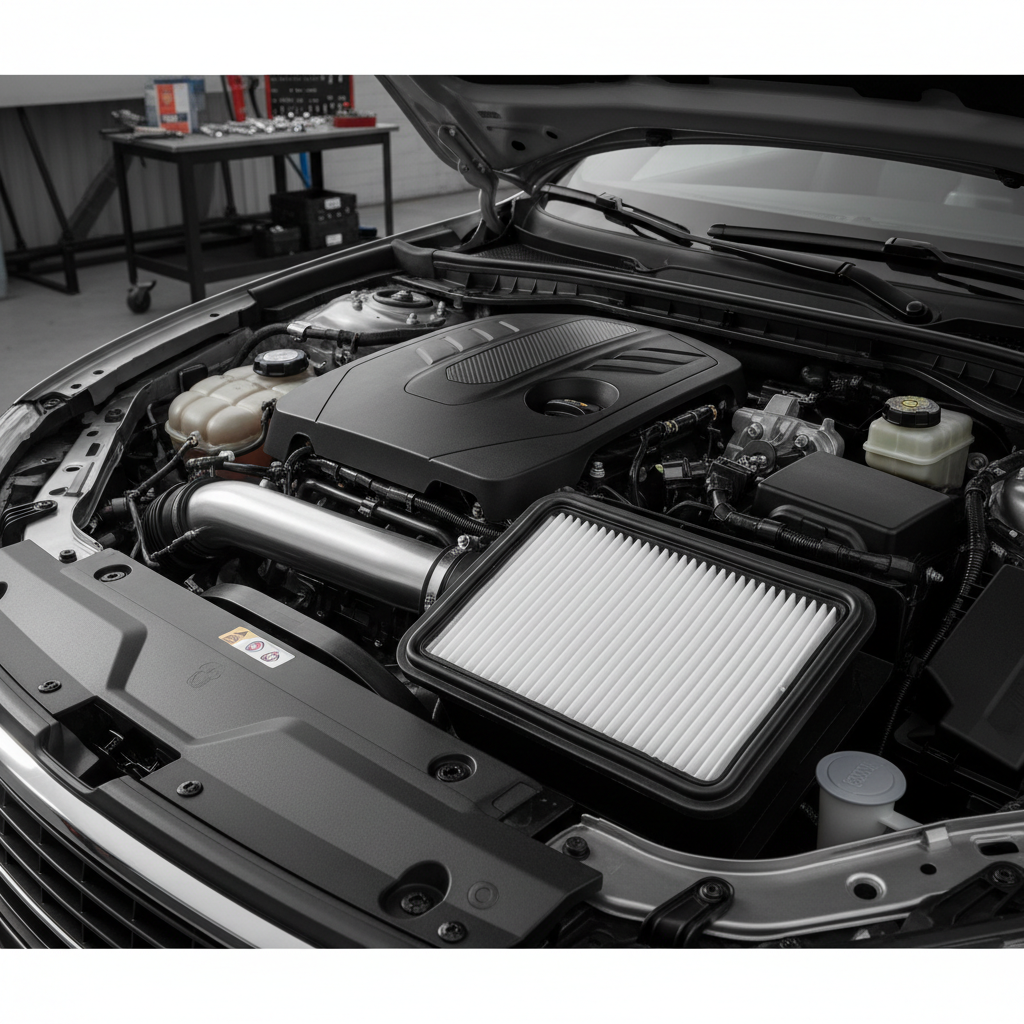
Below is a practical way to choose the best option for your build, plus a quick comparison table, a self-check list, and some “don’t do this” notes that save time and money.
What “performance gain” from an air filter really means
Most of the time, an air filter improves performance by reducing pressure drop, meaning the engine works less to pull air past the filter media. Less restriction can translate into slightly better airflow at higher RPM, and sometimes quicker throttle response in normal driving.
That said, performance isn’t just airflow, it’s also air quality and sensor stability. If filtration drops too far, more fine dust can reach the cylinders and turbo compressor, which is a long-game cost, not an immediate “feel it today” issue.
According to SAE International, engine air filtration is a key factor in controlling intake contaminant wear, and restriction is only one part of the full picture. That’s why “low restriction” is useful, but not the only spec that matters.
Filter types compared: paper, oiled cotton, dry synthetic, foam
If you’re searching for the best car air filters for performance gain, you’ll keep seeing the same categories. Here’s how they tend to behave in real ownership, not just on a product page.
OEM-style paper (disposable)
- Best for: daily drivers, dusty areas, low maintenance
- Upside: consistent filtration, strong sealing when the box is healthy
- Downside: less “performance” marketing, though some high-flow paper filters exist
Oiled cotton gauze (reusable)
- Best for: enthusiasts who will clean and oil correctly
- Upside: often lower restriction when clean, long service life
- Downside: over-oiling can contaminate a MAF sensor on many vehicles, cleaning interval discipline matters
Dry synthetic (reusable)
- Best for: “set it and forget it” people who still want reusable
- Upside: no oiling step, generally stable filtration across a range of conditions
- Downside: some designs trade a bit of peak flow for better dust control
Foam (often performance or off-road focused)
- Best for: certain off-road applications and specific intake designs
- Upside: can hold a lot of dirt, good in heavy dust when properly maintained
- Downside: maintenance-sensitive, quality varies a lot by brand and construction
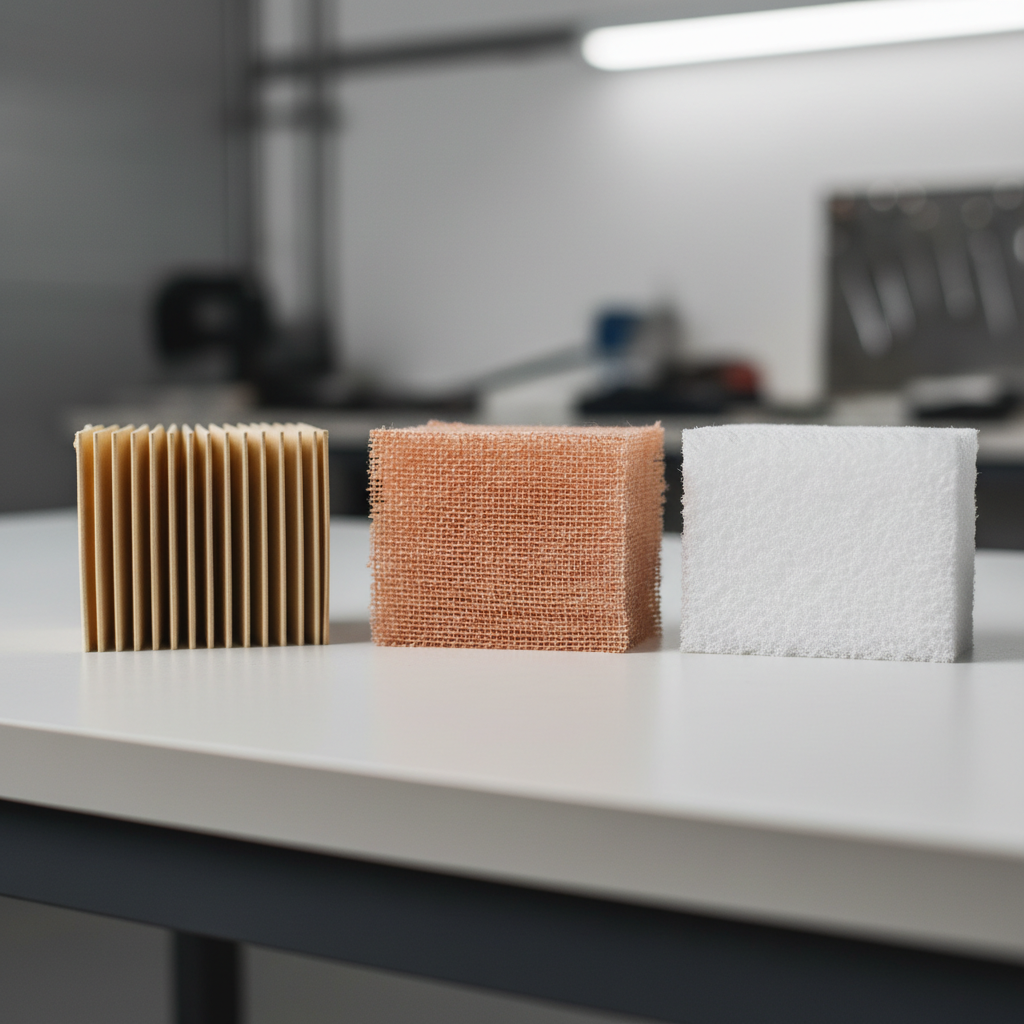
Quick comparison table: choosing a low-restriction filter that still protects
Use this as a quick “fit check” before you get pulled into hype. Different engines and climates shift the answer.
| Filter type | Restriction (when clean) | Filtration tendency | Maintenance | Good fit for |
|---|---|---|---|---|
| High-flow paper | Low to medium | High | Replace | Daily + light mods |
| Oiled cotton gauze | Low | Medium (varies) | Clean + re-oil | Street performance if maintained |
| Dry synthetic | Low to medium | Medium to high | Clean (no oil) | Daily + reusable convenience |
| Foam | Low to medium | Medium (often dust-focused) | Frequent service in dust | Off-road / high dust use |
Self-check: are you actually a good candidate for a “performance” air filter?
Before buying, check the basics. A lot of “gains” come from fixing an existing issue, not from a brand-new part.
- Your current filter is overdue or visibly loaded with debris
- Airbox sealing looks questionable, warped lid, missing clips, torn gasket
- You’ve added airflow mods, tune, exhaust, larger turbo, intake piping, and you’re trying to remove small bottlenecks
- You drive in clean conditions most days, not constant construction dust or dirt roads
- You’re willing to maintain it, especially if you pick an oiled media
If you mainly want reliability, low hassle, and strong filtration in mixed weather, a quality paper or dry synthetic option often makes more sense than chasing the lowest restriction number.
How to pick the best car air filters for performance gain (by scenario)
The “best” choice changes once you pin down vehicle use. Here are the scenarios that come up most in the US market.
Daily driver, stock or lightly modified
- Prioritize fit and sealing first, a perfect seal beats a slightly higher-flow filter that leaks.
- Look for a high-quality panel filter matching OEM dimensions, many people do fine with premium paper or dry synthetic.
- If you choose oiled cotton, commit to careful oiling and proper dry time after cleaning.
Turbocharged street car (including many modern OEM turbos)
- Turbo compressors dislike dirt, so don’t treat filtration like an afterthought.
- Consider dry synthetic if you’ve had MAF issues before, it tends to be more “sensor-friendly.”
- If you’re tuned and pushing higher boost, look at the entire intake path, a filter alone rarely fixes a pressure drop caused by a small snorkel or resonator chamber.
Track days or autocross, maintenance-friendly owner
- Low restriction matters more at sustained high RPM, so a clean performance filter can make more sense here.
- Have a maintenance rhythm, inspect after each event, service before it gets heavily loaded.
- Plan for weather, a wet session plus an exposed filter can create drivability headaches.

Installation and maintenance steps that protect your “gains”
This part sounds basic, but it’s where many low-restriction setups lose the plot. A slightly better flowing filter can perform worse if the install leaks or the media is over-serviced.
Install checklist
- Clean the airbox bottom, remove sand, leaves, and old gasket crumbs.
- Inspect the intake ducting for cracks, especially after the MAF housing if your car has one.
- Seat the filter evenly, then close the lid slowly while watching for pinch points.
- Confirm every clip or screw is fully latched, partial closure often causes unfiltered bypass.
Maintenance rhythm (realistic version)
- Paper: replace when dirty, don’t “shake it clean” as a long-term plan.
- Dry synthetic: clean per maker instructions, typically low drama, avoid harsh solvents.
- Oiled cotton: clean, let dry completely, apply oil lightly and evenly, then allow wick time before reinstalling.
If your vehicle uses a MAF sensor, be conservative with oil. According to U.S. EPA guidance on vehicle maintenance, keeping sensors and intake components clean supports proper fuel control and emissions performance, and contaminated sensors can affect drivability.
Common mistakes that erase performance and can add risk
- Buying a cone filter “because it looks fast” while leaving it in a hot engine bay without a heat shield, heat soak can offset airflow gains.
- Ignoring sealing, a tiny gap in the airbox can bypass filtration and feed grit straight into the engine.
- Over-oiling reusable filters, this is a frequent cause of MAF contamination complaints, especially right after servicing.
- Cleaning too aggressively, compressed air or hard brushing can damage media, it may look clean but filter worse.
- Assuming “more airflow” always means more power, on many cars the ECU and intake design already meet stock airflow demands.
Also, if you live in wildfire-smoke areas or heavy dust regions, you may want to lean toward stronger filtration and more frequent checks, chasing the lowest restriction can be a false economy in those conditions.
When it makes sense to ask a pro (or at least get a second set of eyes)
If you’re seeing check engine lights, rough idle after a filter swap, or weird fuel trims on a scan tool, it’s worth slowing down. The fix might be simple, but guessing gets expensive.
- You suspect a MAF issue, or the car runs worse after servicing an oiled filter
- You have a custom intake, big turbo, or tune and you want to validate airflow and fueling
- You’re in a state with strict emissions testing and you’re unsure what is allowed
In those cases, a reputable shop can smoke-test the intake for leaks and confirm sensor readings, and if you’re tuning, a qualified calibrator can advise on safe airflow changes.
Conclusion: a smart “low restriction” choice beats a trendy one
The best car air filters for performance gain are the ones that flow well, seal correctly, and match your willingness to maintain them. If you want a simple win, start by making sure the airbox seals and the current filter is not overdue, then choose paper or dry synthetic for low hassle, or oiled cotton only if you’ll service it carefully.
If you’re ready to buy, your next action is simple: confirm your exact OEM filter size, check whether your engine uses a MAF sensor, then pick a media type that fits your climate and driving, not just your wishlist.
FAQ
Do high-flow air filters actually add horsepower on a stock car?
Sometimes, but it’s often small and most noticeable near higher RPM or under sustained load. Many stock intakes are already sized well, so the bigger “feel” can come from replacing a dirty filter and restoring normal airflow.
Is an oiled air filter bad for a MAF sensor?
It can be if it’s over-oiled or installed before the oil has time to wick evenly. Plenty of people run them without issues, but if your car is MAF-sensitive, a dry synthetic filter is usually a lower-risk path.
What’s better for performance: a drop-in panel filter or a cold air intake?
A drop-in panel is the safer, simpler change and keeps OEM heat management. A full intake can help in some builds, but it’s easier to get wrong, especially if it pulls hot air or changes sensor placement.
How often should I clean a reusable performance filter?
Go by condition, not just mileage. If you drive in dust, inspect more often. Clean it when the pleats look loaded and airflow starts to feel dull, but avoid over-cleaning that damages the media.
Can a high-flow filter cause a check engine light?
A filter alone usually doesn’t, but a bad seal, a disturbed intake hose, or a contaminated sensor can. If a light shows up right after the install, re-check clamps, ducts, and seating before assuming something major.
Are foam filters good for street cars?
They can be, but they’re more common in off-road or dust-heavy use and they still need consistent servicing. For typical street use, paper or dry synthetic is often simpler and more predictable.
What should I look for to confirm I bought the right filter?
Look for correct dimensions, a firm gasket, clean molding, and an even clamp-down when the airbox closes. If the lid rocks, clips fight you, or the filter pinches, swap it for a better-fitting option.
If you’re trying to pick a low-restriction filter and you’d rather not guess, narrow it down by your engine type, MAF presence, driving environment, and how much maintenance you’ll actually do, that combination usually points to the right filter fast.