
how to fix car window stuck down usually comes down to one of three things: the switch lost power, the window motor can’t move the regulator, or the glass jumped its track and is binding.
If your window is stuck open, it’s not just annoying, it’s a security and weather problem, and it can turn into interior damage fast if rain gets in. The good news is you can do a few checks in your driveway before you commit to parts, and sometimes you can even get the glass back up safely as a temporary fix.
Below is a practical, real-world approach: quick diagnostics, safe ways to get the window up, and what to repair depending on what you find, without pretending every car fails the same way.
Start with safety and a fast “what failed” diagnosis
Before you pull anything apart, protect fingers and trim, and avoid turning a small problem into a broken glass problem. Keep the key in the right position for power windows, and if you hear grinding, stop and reassess.
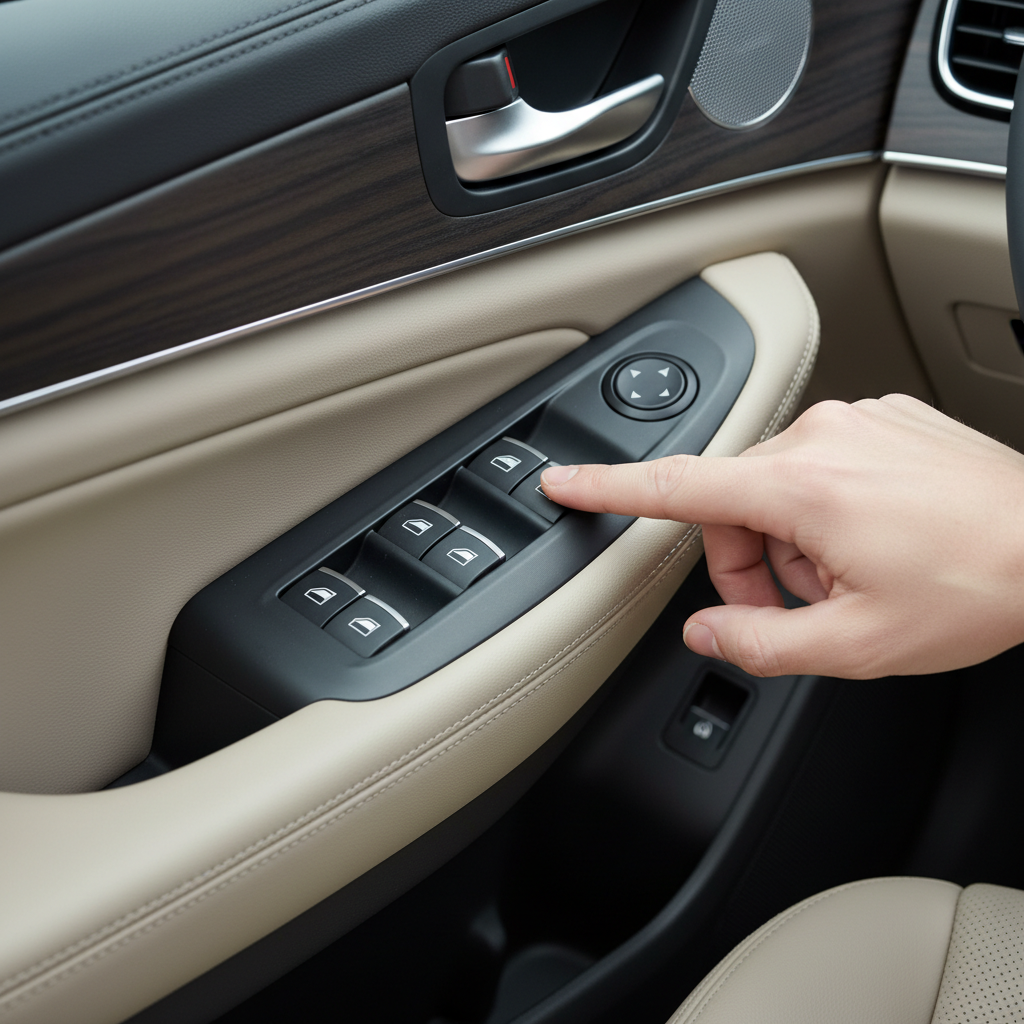
Quick symptoms that point you in the right direction:
- No sound at all when you press the switch: often electrical (fuse, switch, wiring, relay/module).
- Clicking or faint motor noise but glass doesn’t move: regulator cable/track issue or jammed glass.
- Motor runs, glass drops crooked: regulator failure or glass slipped off its mount.
- Works sometimes, worse in heat/cold: tired motor, binding channel, or failing switch.
According to NHTSA, you should use child safety locks and keep children away from power window controls to reduce pinching risks, especially while troubleshooting around the glass and door frame.
Rule out the simple electrical issues (fuse, switch, lockout)
A surprising number of “dead window” cases are a fuse or a switch that’s not sending power. If you’re trying to figure out how to fix car window stuck down, this is where the time-to-answer is usually best.
1) Check the window lockout and try other switches
If the driver’s window works but a passenger window won’t move, make sure the window lock button isn’t engaged. Also try the same window from its own door switch and from the driver master switch.
- If it works from one switch but not the other, the bad switch is your likely culprit.
- If neither switch works and there’s no sound, keep going down the power path.
2) Check the fuse and power supply
Look up the power window fuse location in your owner’s manual (or the fuse box cover diagram). Replace only with the same amp rating. If the new fuse blows immediately, stop and investigate wiring or a seized motor.
3) Do a quick reset (for some vehicles)
Many modern cars use “auto up/down” window logic that can lose calibration after a battery disconnect. Some vehicles will relearn if you hold the switch in the up position for a few seconds after the window reaches the top. If your glass is stuck down, you may not be able to complete a relearn, but it’s worth remembering after repairs.
Try a safe temporary move to get the glass up (weather protection)
Sometimes you don’t need a full repair immediately, you just need the window closed tonight. This section isn’t a substitute for fixing the root cause, but it can keep water and theft risk down.
Two common approaches (choose the one that matches your symptoms):
- If you hear the motor but the glass won’t rise: the glass may be binding in the run channel. With the door open, place your palms flat on both sides of the glass (not fingertips on the top edge), press the switch “up,” and apply gentle upward assistance. If it cocks sideways, stop.
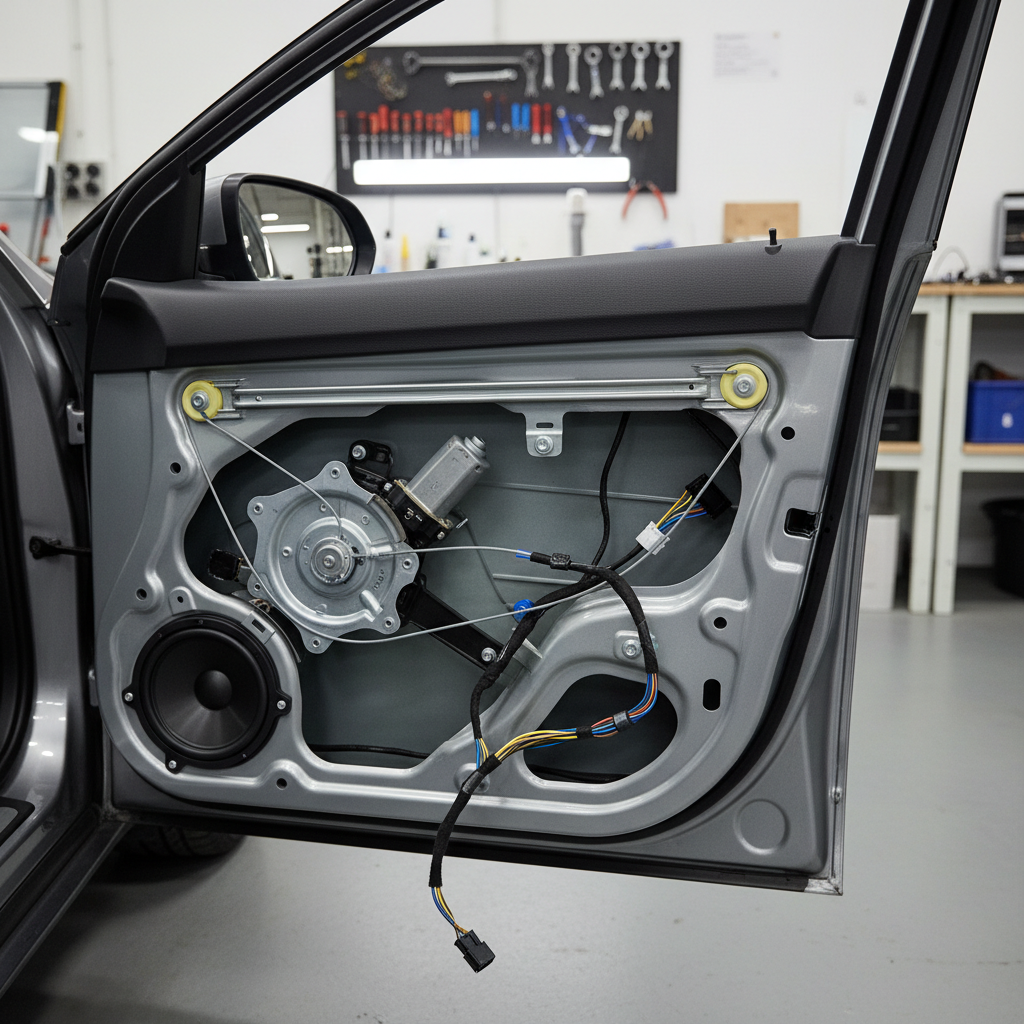
- If there’s no motor sound: you may need access to the motor/regulator through the door panel to raise the window manually, which varies a lot by model.
Practical reality: manually lifting the glass only works if the regulator isn’t completely collapsed or tangled. If the window tilts hard, drops suddenly, or you hear cable snapping sounds, it’s usually smarter to stop and plan a regulator replacement.
Short-term weather fix if you can’t raise it: clear plastic sheeting plus painter’s tape around the door frame can help for a day or two. Avoid taping directly onto felt window seals if you can, and don’t block side airbags.
Diagnose the mechanical side: regulator, motor, track, and glass mounts
When people search how to fix car window stuck down, the most common “real repair” is a regulator replacement, especially on cable-driven setups where the cable frays and jams.
What each part does (plain-English version)
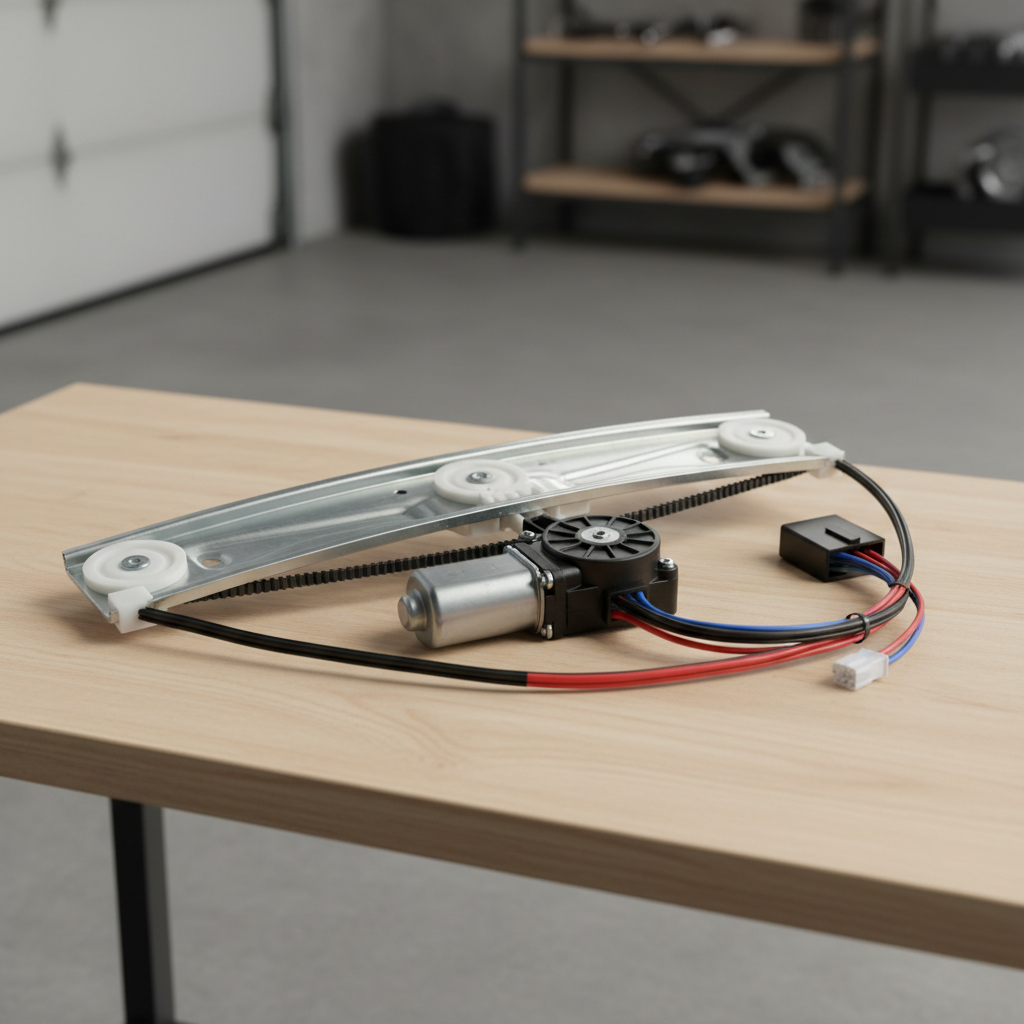
- Window regulator: the lift mechanism that guides the glass up and down (often cables and pulleys, sometimes scissor arms).
- Window motor: the electric motor that drives the regulator.
- Run channel / track: the felt-lined guides that keep the glass straight.
- Glass mounts/clips: attach the glass to the regulator carrier.
Common mechanical failure patterns:
- Glass slides down into the door and won’t come back up: regulator cable or clip failure is likely.
- Window moves a few inches then stops: binding channel, bent track, or failing motor under load.
- Grinding/crunching sound: stripped motor gear or regulator cable spool damage.
Self-check checklist before buying parts
Use this to avoid the classic mistake: ordering a motor when the regulator is the real problem, or replacing the switch when the fuse is blown for a reason.
- Do other windows work? If none work, suspect a master fuse, relay, or body control module behavior.
- Does the window make any noise? Noise suggests power is reaching the motor.
- Does the door speaker still work? If not, wiring in the door jamb boot may be broken.
- Does the glass look crooked or dropped? Crooked glass points to track/regulator issues.
- Does pressing the switch dim interior lights? A dimming effect can indicate the motor is drawing current but stalling.
Key takeaway: a “stuck down” window with a crooked glass edge is usually mechanical, even if the switch feels suspicious.
Repair options by scenario (what to do, not just what it is)
There are a few typical repair paths. Some are DIY-friendly if you’re comfortable removing a door panel and you have basic trim tools, others are easier with a shop.
Scenario A: Bad switch (window works from one control only)
- Confirm by swapping with a known-good switch if your model allows it.
- Inspect the connector for corrosion or loose pins.
- Replace the switch, then test both manual and auto functions.
Scenario B: Blown fuse (and it blows again)
- Don’t keep feeding fuses. Repeated blowing suggests a short or a motor drawing too much current.
- Inspect wiring in the door jamb boot for cracked insulation.
- If wiring looks intact, suspect a failing motor or pinched harness inside the door.
Scenario C: Motor runs but window doesn’t move (or moves crooked)
- Plan on a regulator replacement in many cases, often sold with the motor attached.
- When the door panel is off, support the glass with tape to the door frame before unbolting the regulator.
- Check the run channel for debris and damaged felt, clean gently, and avoid greasy lubricants that attract grit.
Scenario D: No motor sound, power likely missing
- Check for power and ground at the motor connector while pressing the switch (a test light or multimeter helps).
- If power and ground are present but the motor won’t move, replace the motor (or the regulator/motor assembly).
- If power is not present, work backward: switch, door harness, fuse/relay, then control module behavior.
A quick decision table (symptom → likely cause → next step)
If you want a faster way to decide what to do next, this table covers the most common patterns.
| What you notice | Likely cause | What to do next |
|---|---|---|
| No sound from the door, other windows work | Bad switch or broken door-jamb wiring | Try other switch, inspect harness boot, test for power |
| Motor noise but glass doesn’t move | Regulator cable/spool failure | Remove panel, verify regulator movement, replace regulator |
| Glass is crooked or drops into the door | Regulator clip/mount failure | Secure glass, replace clips/regulator, realign track |
| Window moves slowly, worse in cold | Binding run channel or weak motor | Clean channel, inspect seals, consider motor if binding is mild |
| Fuse blows when pressing switch | Short or motor overload | Stop, inspect wiring, test motor draw, consider professional help |
Common mistakes that waste time (or break parts)
Most DIY frustration comes from forcing the wrong step. A stuck window can feel simple, but door internals are easy to damage.
- Forcing the glass up by the top edge can chip it or twist it in the track, use palms and even pressure.
- Spraying heavy lubricant into the felt channel often attracts dirt and makes binding worse over time; cleaning first usually works better.
- Replacing only the motor on a failing cable regulator can lead to a repeat failure because the mechanical jam remains.
- Skipping glass support while unbolting a regulator risks the glass dropping suddenly.
- Ignoring water leaks after a door-panel job, make sure the moisture barrier goes back in place.
When it’s smarter to call a professional
Some situations are doable at home, others are where a shop saves money by preventing collateral damage. If your vehicle has side airbags in the door, complex trim clips, or you suspect a control module issue, getting a qualified technician involved is often the safer route.
Also, if testing shows repeated fuse blowing, melted connectors, or damaged wiring in the door jamb, that can become an electrical fire risk in rare cases. In that scenario, limit use and consult a professional.
Closing thoughts and a simple action plan
If you’re working through how to fix car window stuck down, focus on isolating electrical versus mechanical failure before buying parts. A quick switch-and-fuse check tells you a lot, and the sound the door makes when you press the switch often points to the right repair.
Action plan: (1) test from both switches and verify lockout, (2) check fuse and door-jamb wiring, (3) if the motor runs but glass won’t move, plan for a regulator-focused repair, and (4) if you need the window closed today, use a cautious temporary lift or weather barrier while you schedule the real fix.
Key points to remember
- No sound usually means power/switch/wiring, not the regulator.
- Noise but no movement often means regulator failure.
- Crooked glass is a mechanical alignment or mount problem, stop forcing it.
- Repeated blown fuses deserve careful diagnosis, not guesswork.
FAQ
Why is my car window stuck down but I can hear the motor?
That usually points to a regulator issue, like a snapped cable or a stripped mechanism, where the motor spins but the lift hardware can’t move the glass. It can also be a glass mount that slipped, especially if the window looks tilted.
Can I pull the window up by hand if it’s stuck open?
Sometimes, yes, if the regulator still has some support and the glass isn’t jammed. Use even pressure with your palms and stop if it binds or tilts sharply, forcing it can crack glass or bend tracks.
How do I know if it’s the switch or the motor?
If the window works from one switch but not the other, the dead switch is suspect. If neither works and there’s no sound, testing for power at the motor connector while pressing the switch is the cleanest way to separate a switch problem from a motor problem.
What if only one window stopped working?
That’s commonly a local issue in that door, like the door-jamb wiring, the door switch, or that window’s regulator. If multiple windows fail at once, you look higher up the chain: fuse, relay, or module behavior.
Is it safe to drive with the window stuck down?
It’s usually drivable, but it’s not ideal because of weather exposure, theft risk, and noise distraction. If rain is expected, prioritize a temporary cover or getting the glass raised.
Do I need to replace the motor and regulator together?
Often the assembly comes as a pair, and replacing both can make sense if the motor is weak or the regulator jammed long enough to stress it. If testing shows the motor is healthy and the regulator clearly failed, some vehicles let you replace only the regulator, but it varies by design.
How much time does a typical regulator replacement take?
For many vehicles it’s a couple of hours for someone experienced, longer if the door panel is complex or the glass must be unbolted and aligned. DIY time can be longer because careful trim removal and reassembly matters.
If you’d rather not guess on parts, a quick diagnostic at a reputable local shop or auto electrician can confirm whether you need a switch, motor, regulator, or wiring repair, and that often prevents buying the wrong component and doing the door panel twice.