
Best car tire inflators portable cordless picks come down to a few non-obvious details: how fast they add air, how accurately they stop at your target PSI, and whether the battery and hose setup fits how you actually drive.
If you only inflate once in a while, almost any cordless inflator can seem “good enough”, until you’re on the shoulder at night, your valve stem sits in an awkward spot, and the unit times out or overheats. That’s when specs start to matter.
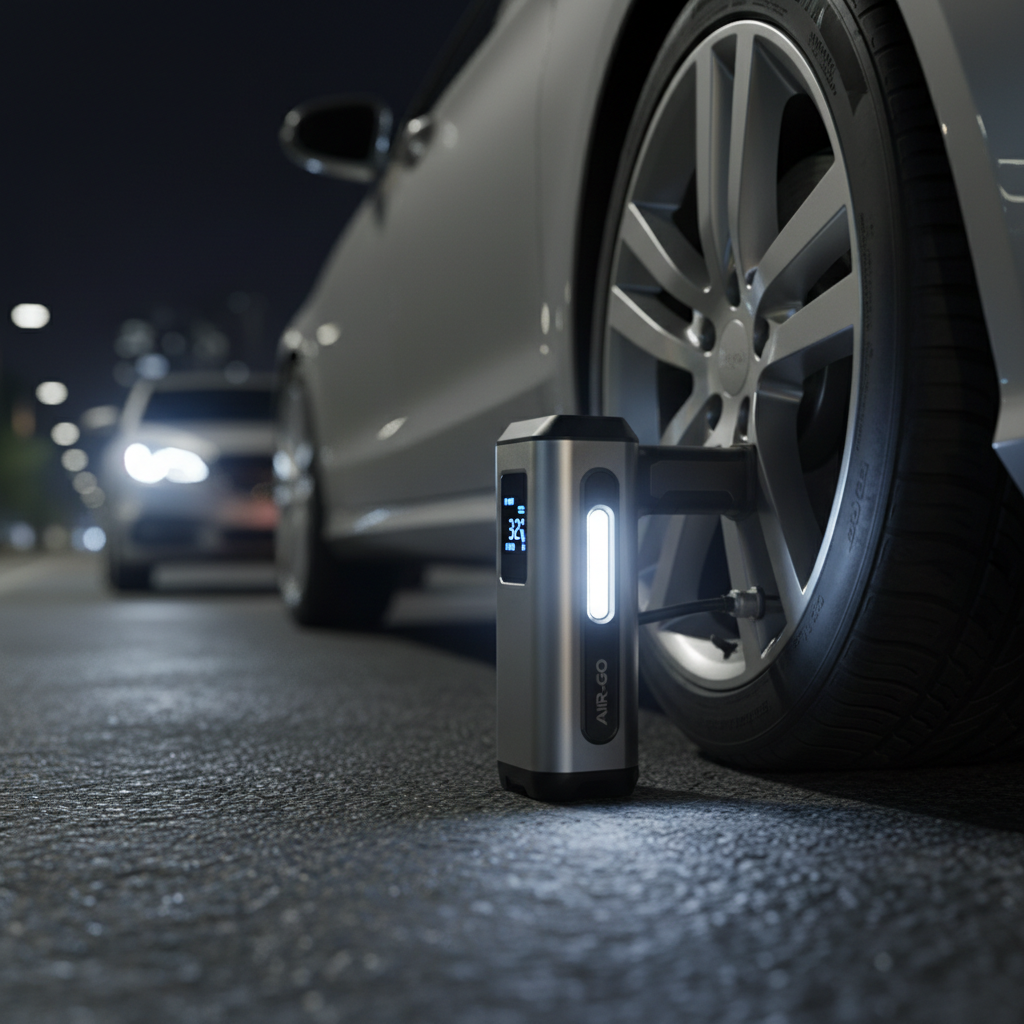
This guide focuses on what to buy in 2026 for typical US use cases: topping off passenger tires in a driveway, helping a family SUV at a parking lot, or keeping something compact in a trunk. I’ll also flag the common traps that waste money, like chasing max PSI numbers that don’t translate to real performance.
What “best” really means for a cordless tire inflator
Most shoppers get pulled into one headline metric, usually max PSI. In real use, these factors decide whether you’ll like the inflator after the first week.
- Fill speed at car-tire pressures: speed around 28–40 PSI matters more than a 150 PSI claim meant for bikes and balls.
- Auto shutoff accuracy: a good unit stops close to your set PSI, so you’re not constantly bleeding air back out.
- Heat handling: small compressors heat up fast; better designs manage duty cycles without constant cooldown breaks.
- Battery system: built-in batteries are convenient, but replaceable tool batteries can be smarter if you already own that ecosystem.
- Real ergonomics: chuck type, hose length, and stability matter more than people expect.
According to NHTSA, underinflated tires can increase crash risk, which is why a dependable inflator is more than a convenience item. It’s not a substitute for tire repair, but it can help you respond quickly when pressure drops.
Quick comparison table (use this to narrow your options)
Instead of pretending there’s one universal winner, here’s a practical way to compare categories you’ll see when shopping for the best car tire inflators portable cordless this year.
| Type | Best for | What you’ll like | Watch-outs |
|---|---|---|---|
| Pocket-size mini inflator | Emergency top-offs, compact storage | Lightweight, fast setup, often USB-C | May overheat on 4 tires, shorter hose can be annoying |
| “Standard” cordless inflator | Regular monthly pressure checks | Better cooling, nicer screen, more stable base | Bulkier, built-in battery eventually ages |
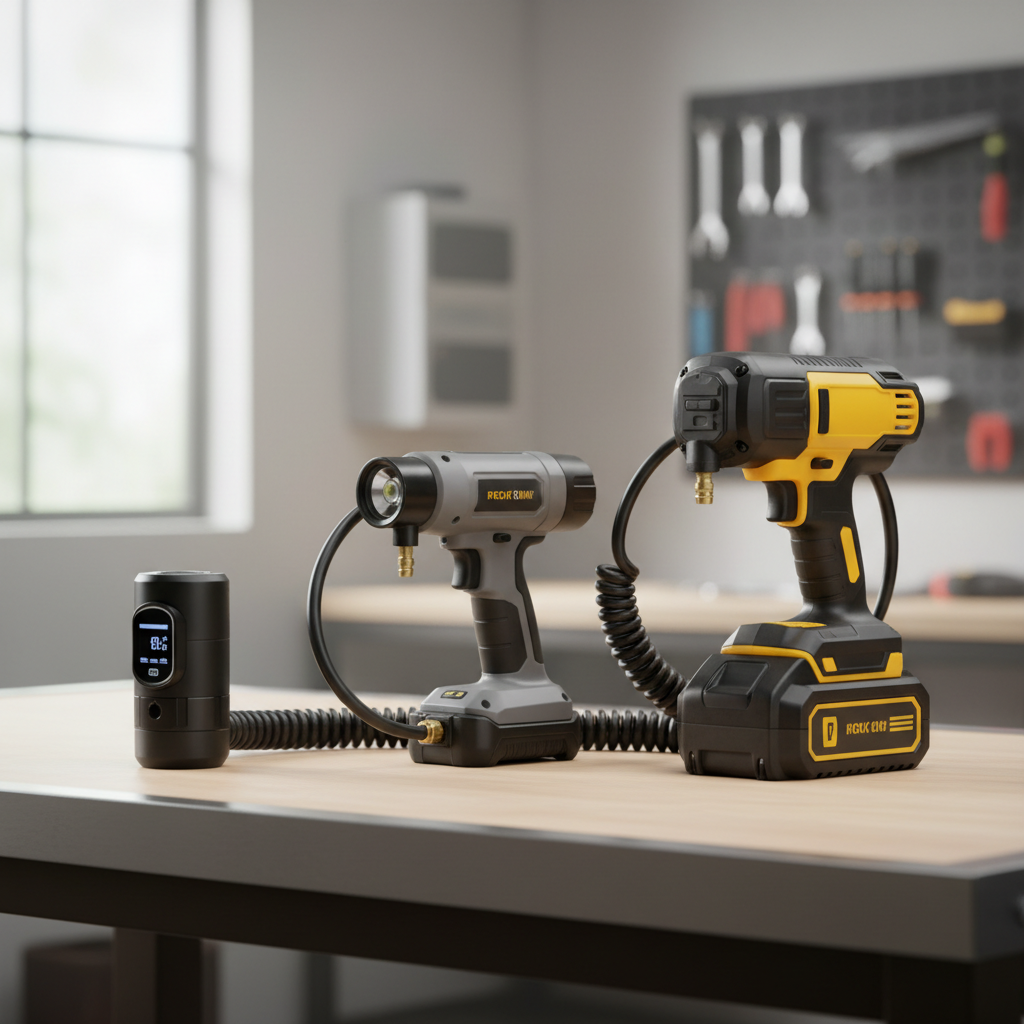
| Tool-battery inflator (18V/20V) | DIYers who already own batteries | Strong output, swappable batteries, service support | Tool-only purchase can be pricey, not always compact |
| Jump starter + inflator combo | Single device for battery and tire issues | Two problems covered, handy for older batteries | Heavier, more charging discipline required |
How to tell which inflator style fits your driving life
Before comparing brands, decide which situation you’re buying for. People who feel “every inflator looks the same” usually skipped this part.
If you mostly top off at home
- Prioritize a readable display, reliable auto stop, and a stable base.
- A larger cordless unit often feels better than an ultra-mini, because it runs cooler.
If you want trunk-only emergency coverage
- Prioritize compact size, quick hose access, and a built-in light.
- Look for a unit that can reach all four valve stems without wrestling the hose.
If you drive an SUV, truck, or tow
- Focus on duty cycle and sustained performance at higher tire volumes.
- Tool-battery inflators often make sense here, especially if you can swap to a fresh pack.
One more reality check: if you routinely deal with a tire that loses pressure quickly, the inflator is a bandage, not a fix. According to NHTSA, you should inspect tires regularly and address damage; when in doubt, a tire professional can confirm whether repair is safe.
Buyer checklist: what to verify before you hit “Add to Cart”
This is the “save yourself from returns” list. It’s also where many products that look great in photos start to fall apart.
- Valve connector type: a screw-on chuck seals well but can be slower; a clamp lever is faster but quality varies.
- Hose length: short hoses are fine on some sedans, frustrating on larger wheels or tight wheel wells.
- Power + charging: USB-C is convenient; proprietary chargers are fine if you can store them consistently.
- Battery capacity info: look for Wh or mAh listings, not just “long-lasting” wording.
- Auto shutoff behavior: some stop early and require a restart, others overshoot; reviews often mention this.
- PSI range and units: PSI is standard in the US, but a clear kPa/bar toggle is still helpful.
- Included adapters: useful for bikes and sports gear, but don’t overpay for 10 pieces you’ll never use.
Key point: a “150 PSI” label doesn’t mean it’s fast for car tires. Car use is about moving enough air volume, not chasing a high peak number.
Recommended picks by scenario (not brand hype)
Because models change constantly, the safest way to recommend the best car tire inflators portable cordless is by choosing a feature set that matches your scenario, then buying from a reputable seller with clear warranty terms.
1) Best everyday choice for most drivers
- Standard cordless inflator with auto stop, bright screen, LED light, and a hose long enough for all four tires.
- Works well for monthly pressure checks and seasonal temperature swings.
2) Best compact trunk inflator
- Mini unit with USB-C charging, simple controls, and a secure chuck that doesn’t leak while you hold it.
- Look for a design that stands up on its own, so it doesn’t dangle from the valve stem.
3) Best for SUVs, light trucks, and frequent use
- Tool-battery inflator if you already own compatible batteries, or a higher-output cordless unit with better cooling.
- Prioritize heat management and battery swap capability over tiny size.
4) Best “one device” emergency kit option
- Jump starter + inflator combo can be convenient if you’re willing to keep it charged.
- Pick one with clear safety instructions and reputable customer support.
How to use a cordless inflator correctly (and avoid the usual mess)
Best car tire inflators portable cordless still need decent technique. The goal is accurate pressure with minimal heat and minimal battery waste.
- Start with the door-jamb sticker, not the sidewall. The sticker lists the vehicle’s recommended cold PSI.
- Inflate “cold” when possible. If you just drove, pressure readings run higher; that can cause underinflation later.
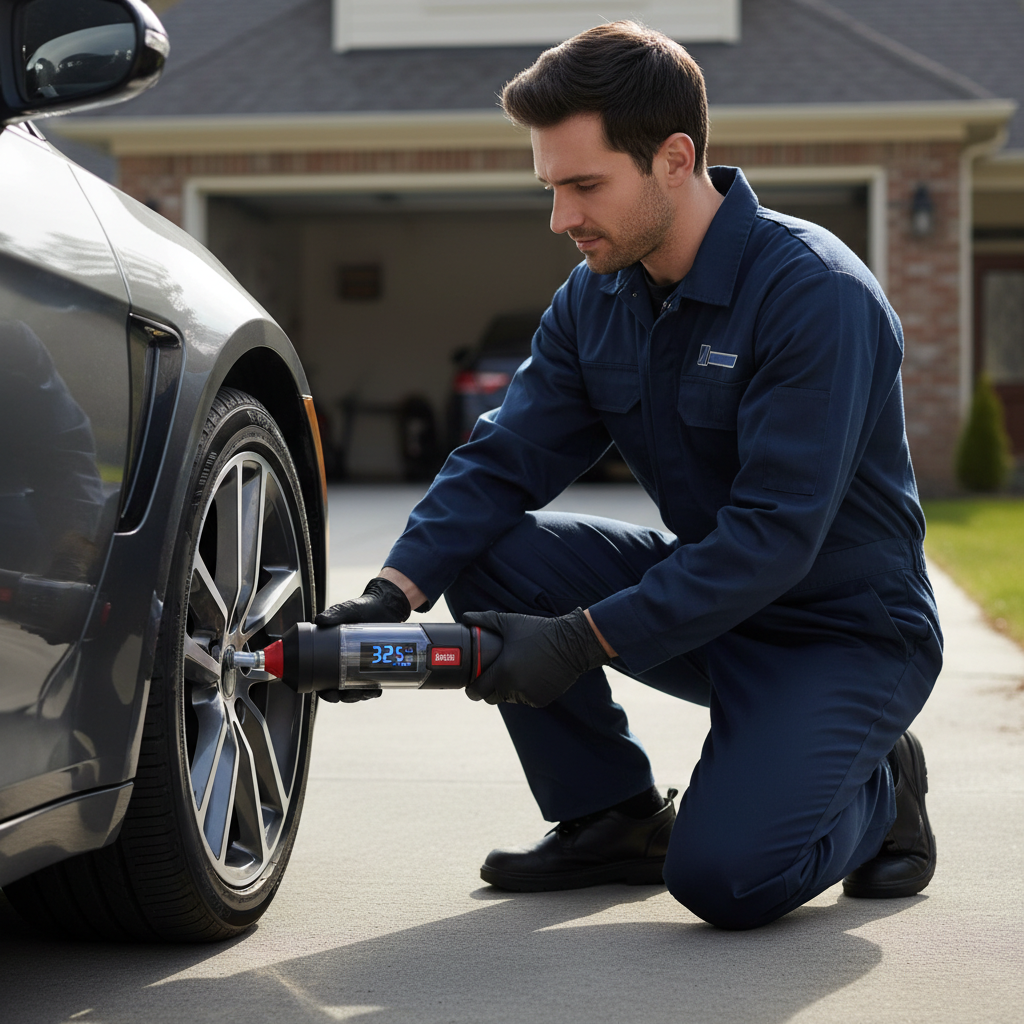
- Attach the chuck firmly, then set your target PSI and start the pump, small leaks during attachment are common.
- Pause after 1–2 tires if the unit feels very hot. Many inflators need cooldown time to protect the motor.
- Re-check with a gauge if accuracy matters, especially before long highway drives.
According to AAA, basic vehicle preparedness reduces roadside stress; keeping an inflator charged and accessible is part of that. If your tire loses pressure rapidly or you see sidewall damage, it’s safer to stop and call for help rather than repeatedly re-inflating.
Mistakes that make people think their inflator “doesn’t work”
A lot of returns come from a handful of fixable issues, not a broken compressor.
- Battery stored empty: lithium packs can degrade if left empty for long periods, charge it every month or two.
- Bad seal at the valve: if air hisses constantly, reseat the chuck; some valves need a slightly different angle.
- Over-relying on auto stop: treat it as a convenience feature, not lab equipment, verify when precision matters.
- Ignoring duty cycle: inflating four low tires back-to-back can trigger thermal protection on smaller units.
- Using sealant without a plan: tire sealant can complicate repairs; a tire shop can advise what’s repairable.
When to get professional help (and not keep inflating)
An inflator helps with maintenance and minor pressure drops, but certain signs usually mean you should stop treating it as a DIY moment.
- Pressure drops back down within hours or overnight, that often suggests a puncture, valve issue, or bead leak.
- You see a bulge, sidewall cut, or cords, continuing to drive can be risky.
- The TPMS light flashes or stays on after correcting pressure, the vehicle may need diagnosis.
- You’re unsure about safe pressure after a repair, a tire professional can confirm specs for your exact tire and load.
In these situations, it’s reasonable to use the inflator just to reach a safer location, but avoid long highway stretches and consider roadside assistance.
Conclusion: choosing a cordless inflator you’ll actually carry and use
The “best” pick is the one that matches your routine: a stable standard inflator for regular maintenance, a compact unit for trunk insurance, or a tool-battery model for bigger vehicles and frequent use. If you want one quick rule, buy for hose convenience and real-world speed, then treat auto stop as a helper, not a guarantee.
If you’re shopping today, choose a reputable seller, confirm warranty terms, and do one practice run in your driveway, that small step prevents most roadside frustration later.
FAQ
- What PSI should I set on a cordless tire inflator?
Use the vehicle’s door-jamb sticker for cold tire pressure. The tire sidewall shows a maximum rating, not your recommended setting. - Are portable cordless inflators accurate enough for TPMS warnings?
Many are close, but accuracy varies by model and temperature. If the TPMS light matters to you, verify with a separate gauge and adjust gradually. - How long does it take to inflate a car tire with a cordless inflator?
It depends on tire size, starting PSI, and the inflator’s output. Minis can be fine for small top-offs, but they may take longer and need cooldown breaks. - Can I inflate all four tires on one charge?
Often yes for small top-offs, not always from very low pressure. Battery age, ambient temperature, and tire volume change the result a lot. - Is a tool-battery inflator better than a built-in battery model?
If you already own compatible batteries, tool-battery units are convenient and can handle heavier use. If you want a simple all-in-one device, built-in battery models are easier to keep together. - What features matter most for the best car tire inflators portable cordless options?
Auto shutoff that doesn’t overshoot, a reliable chuck seal, hose length that reaches easily, and enough cooling to avoid constant thermal shutdown. - Should I keep my inflator in the car year-round?
Many people do, but extreme heat or cold can stress batteries. If your climate swings hard, consider storing it indoors and tossing it in the car before road trips, or choose a model with a replaceable battery.
If you’re trying to decide between two models and want a more “no surprises” choice, make your shortlist from inflators with clear warranty support, a chuck design reviewers say seals reliably, and enough hose length for your wheel setup, that combo tends to feel like an upgrade every time you use it.