
Best car tire sealant for puncture repair usually means one thing in real life, you want a no-tools way to stop a leak fast enough to get off the shoulder and reach a safe place or a tire shop.
Sealant can be a lifesaver for common tread punctures, but it also has clear limits, it will not “fix” every flat, and it can create a mess if you pick the wrong type or use it in the wrong scenario. That trade-off matters, because the wrong move can waste time when you need it most.
This guide breaks down what to buy, what to avoid, how to tell whether a puncture is even sealable, and how to use a can or bottle correctly so you can get rolling without gambling on safety.
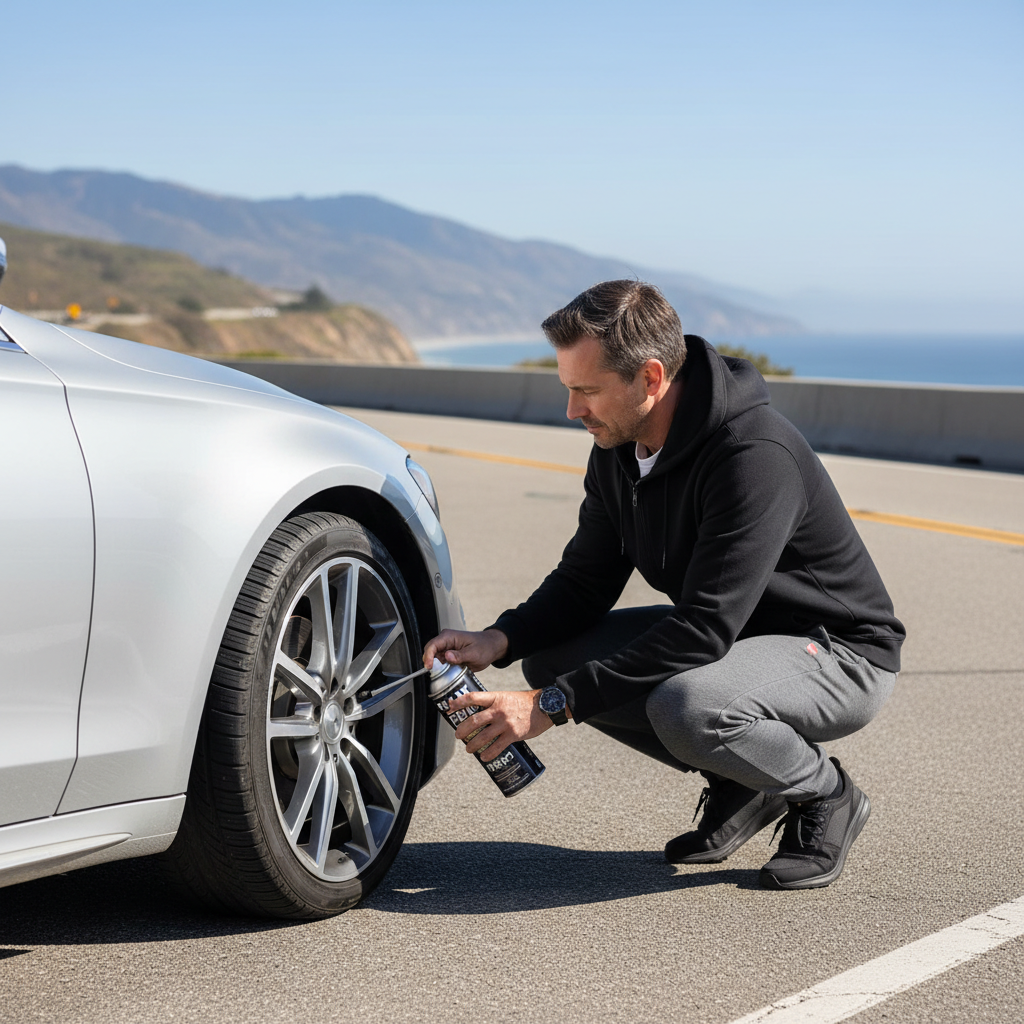
What “no tools needed” tire sealant can and can’t do
Most no-tool products work by coating the inside of the tire with a latex or fiber-based liquid, then plugging tiny air paths as the tire rotates. It can be enough to buy you miles, not necessarily a permanent repair.
- Usually works for: small punctures in the tread area, like a nail or screw, slow leaks you notice early, minor bead seepage in some cases.
- Often fails for: sidewall damage, big holes, torn rubber, blowouts, bent wheels, or a tire that has been driven flat for any distance.
- Time horizon: many “emergency” sealants are meant to get you to service, not to replace a patch-plug repair.
According to NHTSA, driving on an underinflated tire can increase heat buildup and raise the risk of tire failure, so treating sealant as a short-term bridge, then getting a proper inspection, tends to be the safer mindset.
Quick self-check: is your puncture a good candidate for sealant?
Before you spray anything, do a 60-second check. This is where people save themselves from wasting a can on a tire that never had a chance.
Green-light signs
- Air loss is slow, tire still holds some pressure.
- The puncture is in the tread, not the shoulder or sidewall.
- No visible tear, bulge, or ripped cords.
- You can see a small nail or screw, or you hear a faint hiss.
Red flags (skip sealant, call for help)
- Damage on the sidewall or right at the shoulder.
- The hole looks large, irregular, or the tire is shredded.
- The tire came off the rim, or you suspect wheel damage.
- You drove on it while flat and smell burning rubber.
If you are unsure, err on the conservative side, a tow or roadside assistance may cost more upfront, but it can prevent a dangerous failure later.
Types of tire sealant (and why your choice matters)
Not all “fix-a-flat” style products are the same. The best option depends on your tires, your wheels, and how much cleanup you want to deal with later.
| Type | Best for | Pros | Watch-outs |
|---|---|---|---|
| Aerosol emergency inflator + sealant | Fast roadside use | Quick, no extra gear, adds some air | May not add enough pressure for larger tires, can be messy for TPMS sensors |
| Bottle sealant (requires air source) | Keeping in trunk with a compressor | Often more controlled dosing | Needs an inflator, not truly “no tools” unless you already carry one |
| TPMS-friendly formulas | Most modern cars | Lower chance of sensor fouling | Still not zero risk, shop cleanup may be needed |
| Off-road/high-volume sealants | Trucks, AT tires, repeated punctures | Can handle thicker casings | Overkill for daily drivers, more cleanup |
According to AAA, keeping your tires properly inflated is a key part of avoiding roadside flats, and a compact inflator plus sealant often beats sealant alone because you can set pressure more accurately.
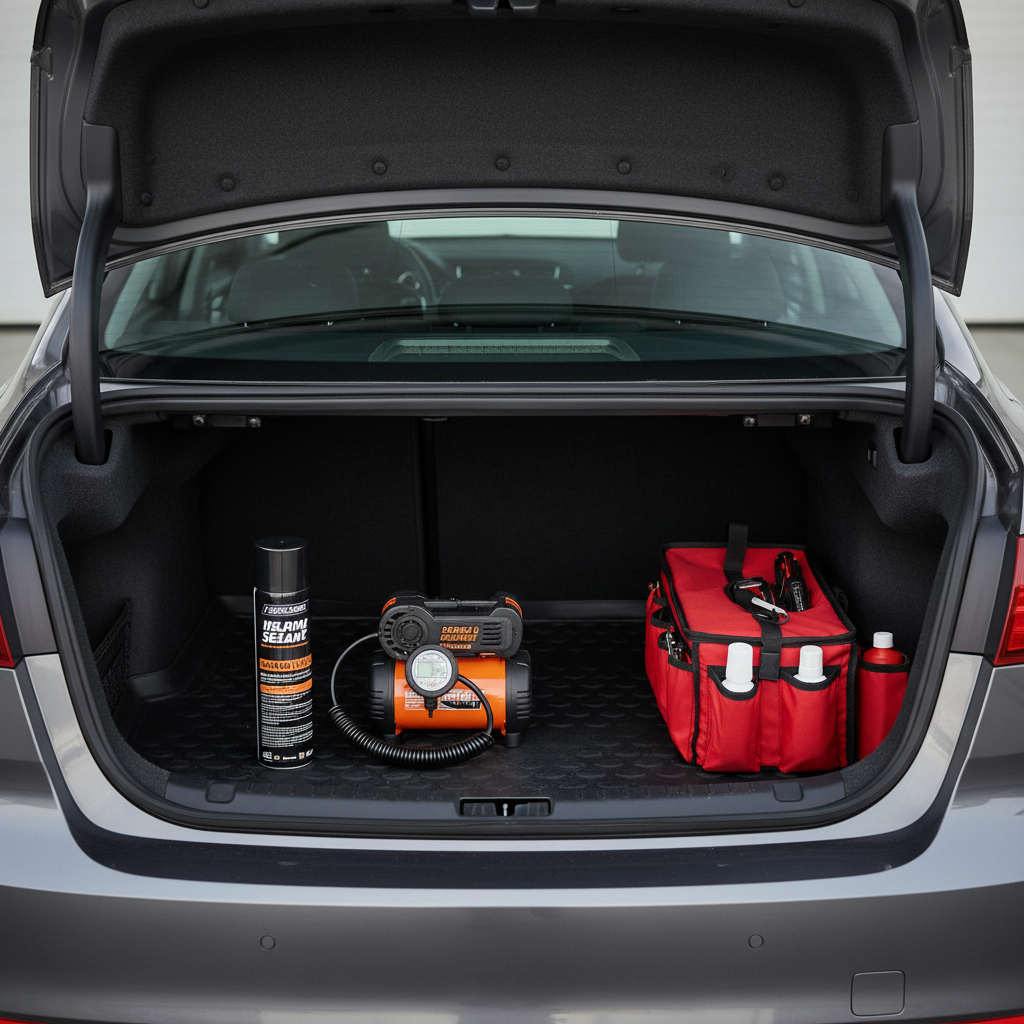
What to look for in the best car tire sealant for puncture repair
If you’re shopping specifically for the best car tire sealant for puncture repair, focus less on marketing claims and more on fit, compatibility, and what happens after the “save.”
- Tire size rating: some cans are fine for small sedans but struggle on SUVs and trucks, check the label for your tire’s approximate volume.
- TPMS compatibility: many U.S. vehicles have tire pressure sensors, look for wording that suggests it is sensor-safe, even then, plan for inspection.
- Non-flammable propellant: some products explicitly note non-flammable gas, that can be a practical safety detail.
- Temperature range: if you live in very cold or very hot climates, pick a formula that lists usable storage and application temperatures.
- Cleanup expectations: if you want minimal shop drama, avoid thick “slime-like” formulas unless you actually need that durability.
- Expiration date: sealant can degrade, a “dead” can is common and frustrating, rotate it like you would a first-aid item.
One more thing people overlook, if you have run-flat tires, your owner’s manual may have specific guidance on temporary repairs and speed limits, it is worth checking.
How to use tire sealant correctly (no tools, fewer mistakes)
This is the part that looks easy, and still goes wrong. The main goals are to seal, then distribute the sealant, then set a safe pressure.
Step-by-step
- Get safe first: hazards on, move off traffic, parking brake, stay out of active lanes.
- Find the valve stem: rotate the wheel so the valve is accessible, remove the cap.
- Attach the hose firmly: a loose connection wastes sealant and may not pressurize at all.
- Empty the can/bottle as directed: many aerosols must be held upright, follow the label because orientation changes flow.
- Drive slowly right away: typically 5–10 minutes at low speed helps spread the sealant around the inside tread area.
- Check pressure soon: if you have a TPMS readout, use it, otherwise a small gauge helps, if pressure is still low, you may need more air than the can provides.
Key points that keep you out of trouble
- Do not exceed the speed limit on the label, many products set a max like 50 mph, treat it as real.
- Do not keep “topping off” for hours, if it keeps dropping, the puncture is likely too big or not in the tread.
- Plan the route to the closest tire shop, avoid highways if pressure feels marginal.
After the seal: what to do at the tire shop (and what to tell them)
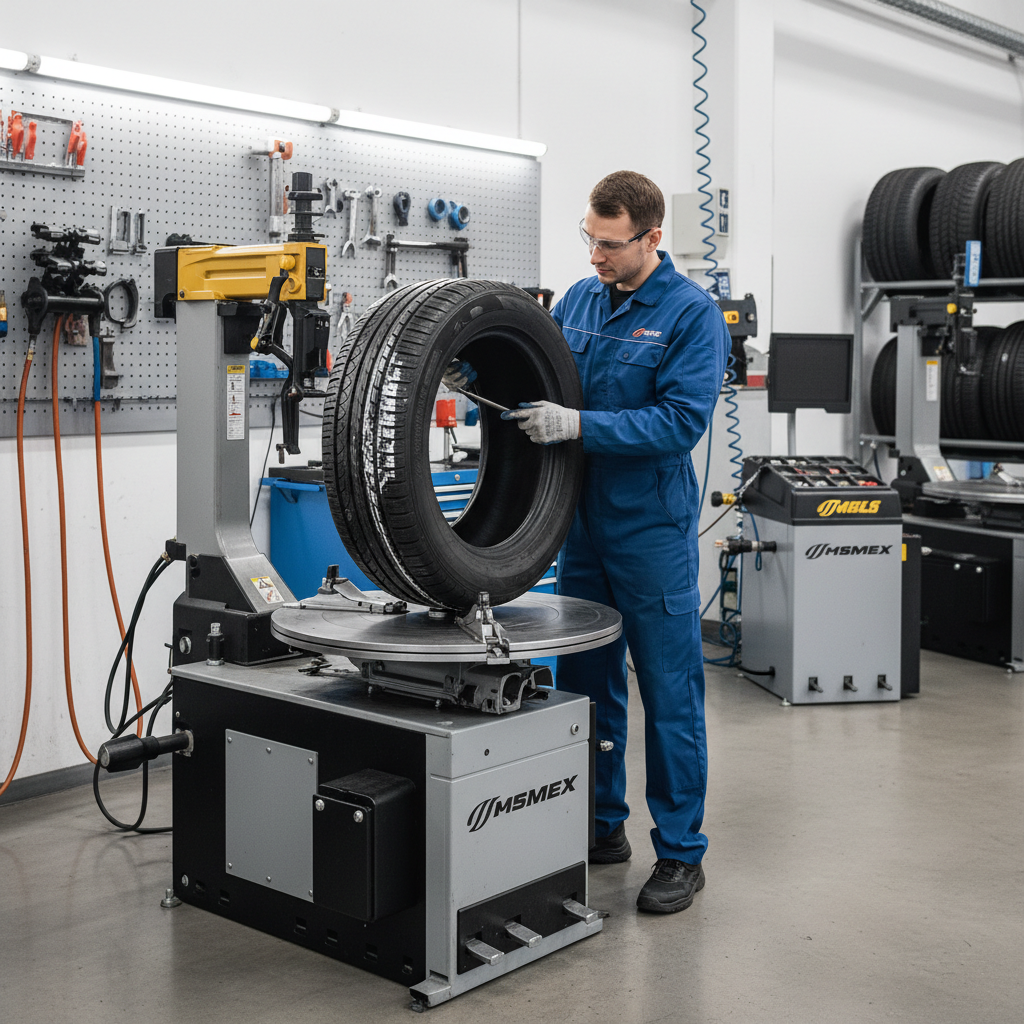
Sealant is not the end of the story. You want the tire removed, inspected inside, and repaired correctly if it qualifies for repair.
- Tell the tech you used sealant before they break the bead, it helps them avoid a mess and handle TPMS sensors carefully.
- Ask whether the puncture is repairable, many shops follow industry guidance that limits repairs to the tread area and small hole sizes.
- Expect cleanup, some shops charge extra to clean sealant out, especially if it spread widely.
- Check your TPMS behavior after, if the warning light stays on, the sensor may need service or relearn.
According to USTMA, proper tire maintenance and timely inspection support safer driving, and “temporary” fixes should not replace a thorough evaluation when a tire has lost air.
Common misconceptions and avoidable mistakes
A lot of frustration around sealant comes from expecting it to behave like a plug kit or a proper patch-plug repair.
- Myth: sealant repairs sidewall punctures. Sidewall flexing usually defeats sealant, and the safety risk is higher.
- Myth: more sealant means more safety. Overuse can unbalance the wheel and still fail to seal the leak.
- Mistake: ignoring the cause. If a screw stays in place and you remove it, the leak can become faster, decide your plan before pulling anything out.
- Mistake: driving fast “because it feels fine.” Heat and speed are not forgiving when pressure is uncertain.
- Mistake: forgetting the spare strategy. If your car has a spare or a donut, sometimes that is the cleaner option than sealant, especially for longer trips.
Practical recommendations by scenario (what I’d buy for most U.S. drivers)
If you want one simple trunk setup, a TPMS-aware emergency aerosol plus a compact inflator is usually the most flexible combo, the sealant handles the leak path and the inflator gets you to a reasonable PSI.
- City commuting: aerosol inflator/sealant rated for your tire size, keep gloves and paper towels, plan to visit a tire shop same day.
- Long highway drives: add a compact compressor and a gauge, you will care about pressure accuracy more than convenience.
- SUV/truck: confirm the can is sized for larger tires, many “standard” cans feel underpowered here.
- Cold-weather states: check storage temperature limits, and consider storing the can inside the cabin on extreme days.
Key takeaways: sealant works best as a short-range mobility tool, tread punctures are the sweet spot, and pairing with an inflator reduces the “will it hold” anxiety.
Conclusion: the right sealant is the one that gets you safely to a real repair
The best car tire sealant for puncture repair is the one that matches your tire size, plays reasonably well with TPMS, and comes with realistic limits printed right on the label, because in the moment you won’t have time to guess.
If you do one thing this week, check your trunk kit and replace any expired can, if you do a second thing, add a small inflator so you can set pressure and drive with more margin to the nearest shop.
FAQ
- How long does tire sealant last after you use it?
It varies by product and puncture size, but many emergency sealants are intended to last only long enough to reach service. Treat it as temporary and get the tire inspected soon. - Will tire sealant damage my TPMS sensor?
Some formulas are marketed as TPMS-friendly, which can reduce risk, but it is not a guarantee. Let the tire shop know you used sealant so they can clean and inspect the sensor area. - Can I use tire sealant on a slow leak I can’t find?
Sometimes, but it is a bit of a gamble, because leaks from a cracked wheel, bad valve stem, or bead corrosion may not respond well. If the leak returns quickly, a proper diagnostic at a shop saves time. - Is tire sealant safe for highway driving?
Many products allow limited speeds, often around 50 mph, and only for short distances. If you must travel faster or farther, a spare tire or professional roadside help is usually safer. - Do I need to remove the nail or screw before using sealant?
Often it is better to leave it in place until you have a plan, removing it can increase the leak rate. Some products expect the object to remain while the sealant fills gaps around it. - Can sealant fix a flat tire that is already completely empty?
It might, but success rates drop when the tire is fully deflated or unseated from the rim. In that case you often need more air volume than an aerosol can can provide. - Will a tire shop refuse to repair a tire that had sealant inside?
Some shops will still repair if the puncture is in the repairable tread zone, others may recommend replacement depending on damage and cleanup effort. Calling ahead can prevent surprises.
If you’re trying to pick a sealant quickly, or you want a setup that feels less like guesswork, aim for a TPMS-aware formula matched to your tire size, then pair it with a small inflator so the “temporary fix” is actually drivable to a shop without white-knuckling the steering wheel.