
Best car paint sealant for long term protection usually comes down to matching the product chemistry to your parking habits, wash routine, and how much prep work you’re willing to do.
If you’ve ever watched “freshly protected” paint lose slickness in a month, it’s rarely because sealants don’t work, it’s because durability claims assume ideal prep, gentle washing, and regular maintenance. Real life in the U.S. means UV, road film, hard water, automatic washes, and seasonal grime.
This guide helps you choose a long-lasting paint sealant with a clear framework, then apply it in a way that makes the protection actually stick. I’ll also point out the common traps, like stacking incompatible products or skipping decon and wondering why beading disappears.
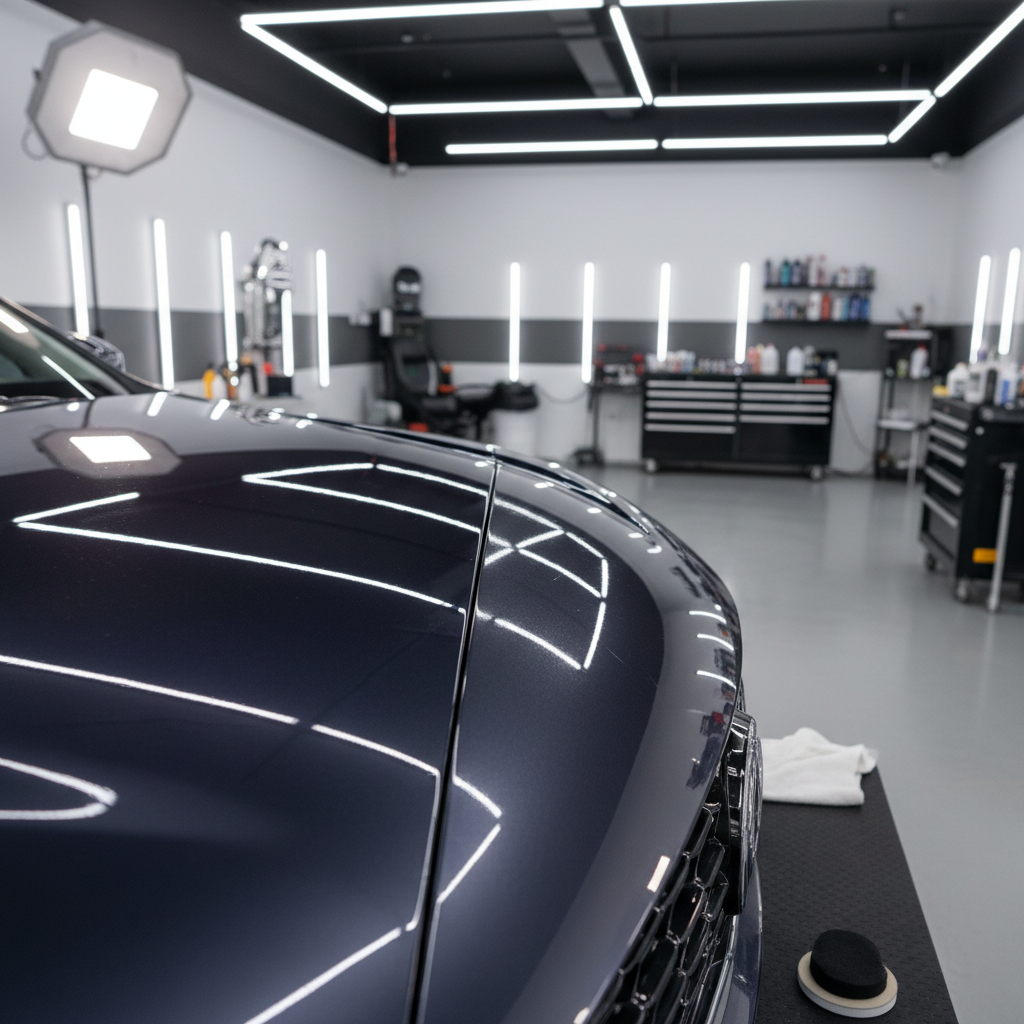
What “long-term” protection really means (and what it doesn’t)
In detailing, “long-term” is usually months, not years, unless you move into true ceramic coatings. Many paint sealants can look great for a long time, but their peak performance (tight beading, crazy slickness) often fades earlier than the base protection.
Also, durability is not one number. A sealant might resist UV well but struggle with strong detergents, or it might bead nicely but attract dust. So it helps to define what “protection” means for you.
- UV and oxidation resistance: keeps paint from dulling quickly, especially for outdoor parking.
- Chemical resistance: survives stronger shampoos, bug remover, winter road film.
- Wash-ability: releases grime easily so you don’t scrub and induce swirls.
- Hydrophobics: beading/sheeting is nice, but it’s not the only sign of protection.
According to International Carwash Association, wash method and chemicals used can significantly influence finish maintenance, which is another way of saying product choice is only half the story.
Why paint sealants fail early in real-world use
Most “my sealant only lasted a few weeks” situations have a boring explanation. It’s almost always prep, application, or maintenance.
Common causes you can actually fix
- Paint wasn’t truly clean: bonded contaminants (tar, industrial fallout) block bonding.
- Old wax or topper still on the surface: the sealant bonds to the old layer, not the paint.
- Application too thick: thick coats haze, smear, and cure unevenly, durability drops.
- Not enough cure time: rain, dew, or washing too soon can compromise the film.
- Harsh washing: strong APC, high-pH soaps, and friction from tunnels shorten life fast.
Here’s the part people hate hearing: picking the best car paint sealant for long term protection won’t save you if the car goes through a brush tunnel every week. You can still protect the paint, but you’ll need a more chemical-resistant option and a maintenance plan.
Types of sealants: which chemistry tends to last longer
Not every product labeled “sealant” behaves the same. The category ranges from easy spray sealants to more durable synthetic sealants and SiO2-infused hybrids.
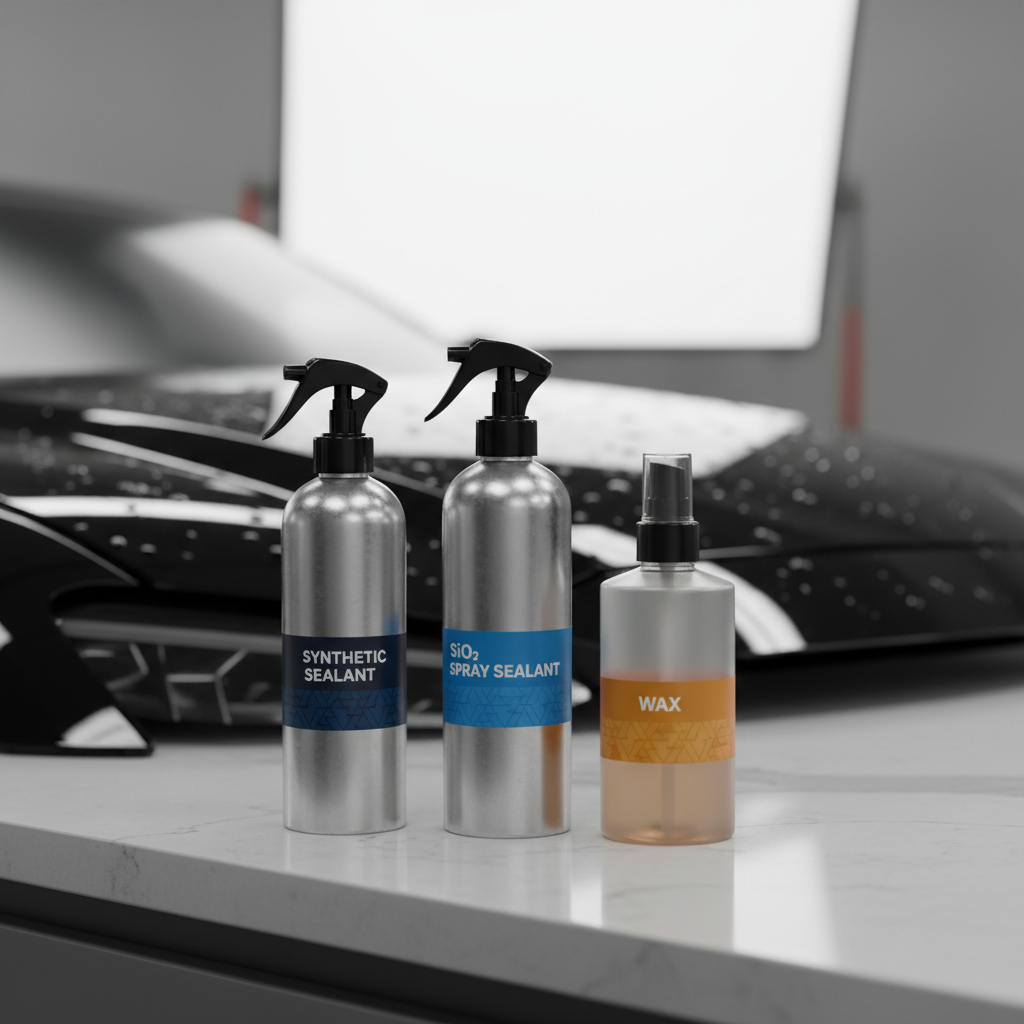
Quick comparison table
| Type | Typical use | Strengths | Tradeoffs |
|---|---|---|---|
| Synthetic polymer sealant (liquid/paste) | Base protection layer | Often strong longevity, good gloss, stable protection | More prep-sensitive, longer application |
| SiO2-infused spray sealant | Fast protection or maintenance topper | Easy, strong water behavior, good chemical resistance for the effort | Longevity varies a lot by brand and wash routine |
| Hybrid sealant-wax | Warm look with easy application | Nice depth on darker colors, forgiving | Often shorter lasting than pure synthetics |
| Paint sealant “all-in-one” | Light cleaning + protection | Saves time, improves gloss quickly | Usually less durable than dedicated prep + sealant |
If your priority is durability, a dedicated synthetic sealant or a well-regarded SiO2 spray used consistently tends to outperform wax-heavy blends in many garages. But climate matters: hot sun, salty winters, and hard water spots each stress protection differently.
A quick self-check: what you should buy for your situation
Before you chase the most expensive bottle, answer these. Your honest answers usually point to the right category.
- Outdoor parking most days? Lean toward higher UV stability and chemical resistance.
- Do you wash at home with pH-neutral soap? You can use a broader range of sealants and expect better longevity.
- Do you use automatic washes? Choose a tougher sealant and plan on topping more often.
- Do you enjoy paint prep (clay/polish)? A traditional synthetic sealant rewards that effort.
- Want speed over perfection? A quality SiO2 spray sealant used every few washes is a realistic “long-term” strategy.
For many daily drivers, the practical best car paint sealant for long term protection is the one you’ll re-apply on schedule, not the one that “could” last longest under lab-like conditions.
How to apply a sealant so it actually lasts
This is the make-or-break section. A great product on a not-so-clean surface behaves like a mediocre one.
Step-by-step (daily driver friendly)
- Wash thoroughly: remove loose dirt first, reduce friction later.
- Decontaminate: use an iron remover if needed, then clay (or synthetic clay) if the paint feels rough.
- Optional but helpful: light polish: improves gloss and helps bonding by removing old residues and micro-oxidation.
- Panel wipe: an IPA-based prep wipe can remove polishing oils; follow the product’s guidance so you don’t over-strip sensitive paint.
- Apply thin: one thin, even coat beats two thick coats almost every time.
- Respect cure time: avoid rain, sprinklers, and washing for the window recommended by the manufacturer.
According to SEMA, proper surface prep is central to paint-care outcomes, and in practice that includes removing bonded contaminants before applying protection.
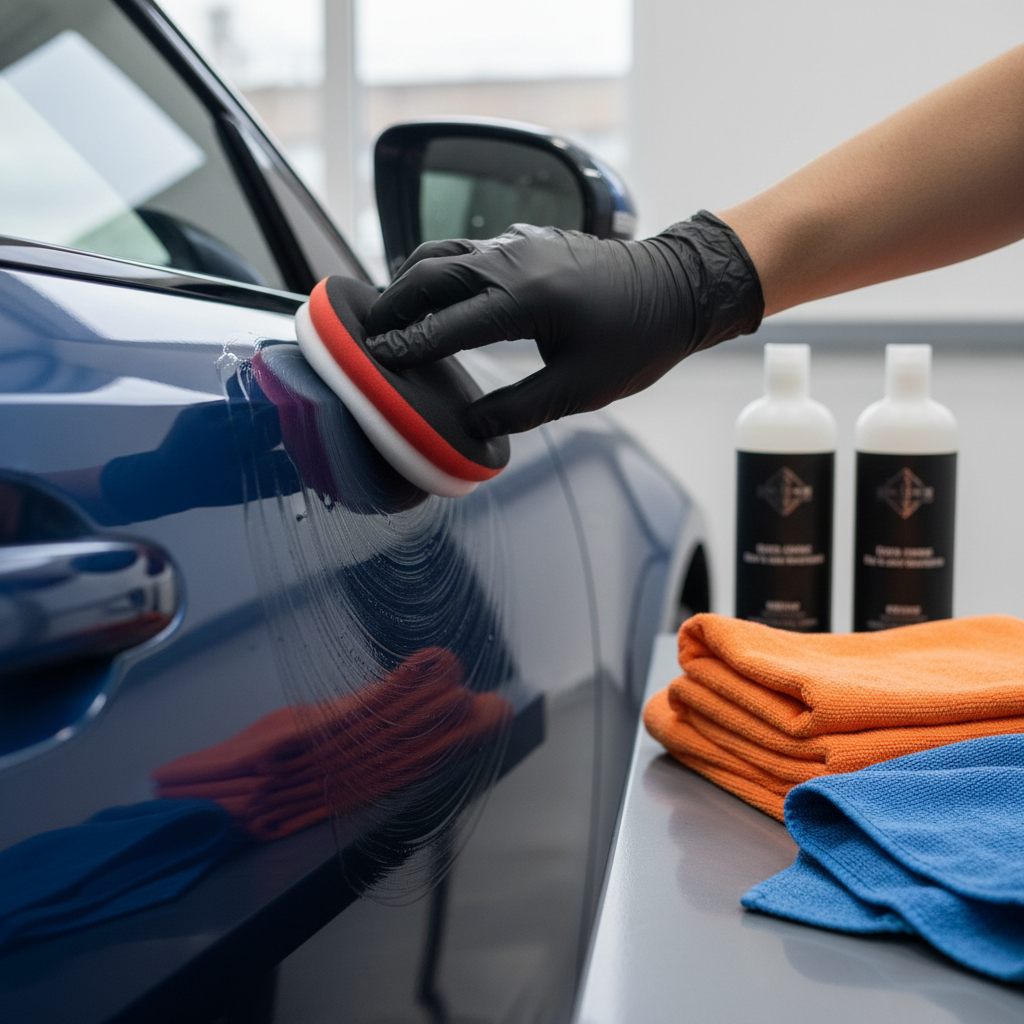
Key points people skip (then regret)
- Work cool and shaded: hot panels can cause flash-drying and streaks.
- Use clean towels: residue from old waxes or laundry softeners can smear and reduce performance.
- Don’t “chase slickness” with random toppers: compatibility matters more than hype.
Maintenance that keeps protection alive (without turning into a hobby)
Long-term protection is mostly maintenance discipline. Not obsessive, just consistent.
A realistic routine
- Every wash: pH-neutral shampoo, soft mitts, and gentle drying to minimize swirls.
- Every 4–8 weeks: top with a compatible spray sealant, especially if you park outside.
- Season changes: do a deeper wash and consider a fresh base layer before winter or peak summer sun.
If water spots are your main enemy, focus on drying technique and consider a rinseless wash approach where appropriate. Hard water can make even the best car paint sealant for long term protection look “dead” when it’s really just mineral deposits masking beading.
Mistakes to avoid when chasing “the longest lasting”
Some mistakes are harmless, others waste weekends and money.
- Assuming beading equals protection: sheeting changes, surfactants, and road film can alter water behavior.
- Layering too fast: stacking coats before cure can trap solvents and reduce durability.
- Using strong degreasers routinely: they may strip or weaken many sealant films.
- Mixing brands without a plan: you can do it, but test a small area first for streaking.
- Skipping prep because paint “looks clean”: smooth paint feels clean, contaminated paint often looks clean.
Also, don’t let perfection block you. A well-applied spray sealant every month often beats a once-a-year “perfect” job that never happens.
When a sealant isn’t enough (and who to ask next)
If you need true year-plus durability, you may be in ceramic coating territory. That’s not a moral upgrade, it’s just a different product class with more demanding prep and application.
- Consider a coating if the car lives outdoors 24/7, you drive highways daily, or you want fewer deep details per year.
- Consider professional help if the paint has heavy swirls, oxidation, or you’re unsure about machine polishing, because improper polishing can thin clear coat.
- Ask a reputable detailer about expected upkeep, not just the coating brand, maintenance is where results diverge.
If you’re sensitive to chemical exposure or working in a poorly ventilated space, using gloves and reading SDS sheets is smart, and if you have concerns, it’s reasonable to consult a professional.
Conclusion: a practical way to pick your “best” sealant
The best car paint sealant for long term protection is usually a durable synthetic or SiO2-based option paired with good prep and a simple maintenance habit. If you want one action that pays off fast, make your application thinner and your washing gentler, that’s where longevity tends to appear.
Pick a product category that matches your reality, apply it on properly decontaminated paint, then top it on a schedule you can keep. Your paint will look better for longer, and you’ll spend less time redoing work that should have lasted.
FAQ
What’s the difference between a paint sealant and a ceramic coating?
A paint sealant is typically a synthetic protectant meant for easier application and reapplication. A ceramic coating usually forms a more durable, chemical-resistant layer, but it demands more prep and careful installation to avoid high spots.
How long should a paint sealant last on a daily driver?
It varies by product, climate, and washing. Many drivers see protection last for months, while the “wow” hydrophobics may fade sooner if the car faces strong detergents, lots of sun, or frequent automatic washing.
Can I apply sealant over wax?
Sometimes it “works,” but durability often drops because the sealant bonds to the wax layer. If long-term performance matters, stripping old wax with proper prep or polishing is usually the safer bet.
Do I need to clay the car before using a sealant?
If the paint feels rough after washing, claying (or synthetic clay) helps remove bonded contamination and improves bonding. If the paint feels smooth and you maintain it well, you might not need it every time, but many cases benefit.
Why did my sealant stop beading after a few washes?
Road film and minerals can mask beading, even when protection remains. Try a gentle decon wash or a compatible topper, and evaluate slickness and cleaning ease rather than water behavior alone.
Is a spray sealant enough for long-term protection?
For a lot of people, yes, if you reapply regularly. A spray sealant is often the most sustainable routine because it fits real schedules, and consistency tends to beat occasional “big” details.
Can I use a sealant on matte or satin paint?
Only if the product specifically states it’s safe for matte/satin finishes. Many gloss-enhancing products can change the appearance; if you’re unsure, check with the manufacturer or a detailing professional.
If you’re trying to narrow down options and want a more streamlined plan, a good approach is choosing one durable base sealant and one compatible maintenance spray, then sticking to that pair for a few months so you can actually judge results without constant product switching.