
best car window vent for fresh air no rain is really about one thing: letting your car “breathe” while keeping water out when the weather turns or you’re parked overnight.
If you’ve ever cracked a window for airflow and come back to wet seats, foggy glass, or that musty smell, you already know why people obsess over vents and visors. You want fresh air, but you also want a cabin that stays dry, quiet enough to live with, and secure enough to sleep or leave unattended.
This guide breaks down what works in real-world use, how to pick the right style for your vehicle and habits, and a few small setup tricks that make a bigger difference than most product pages admit.
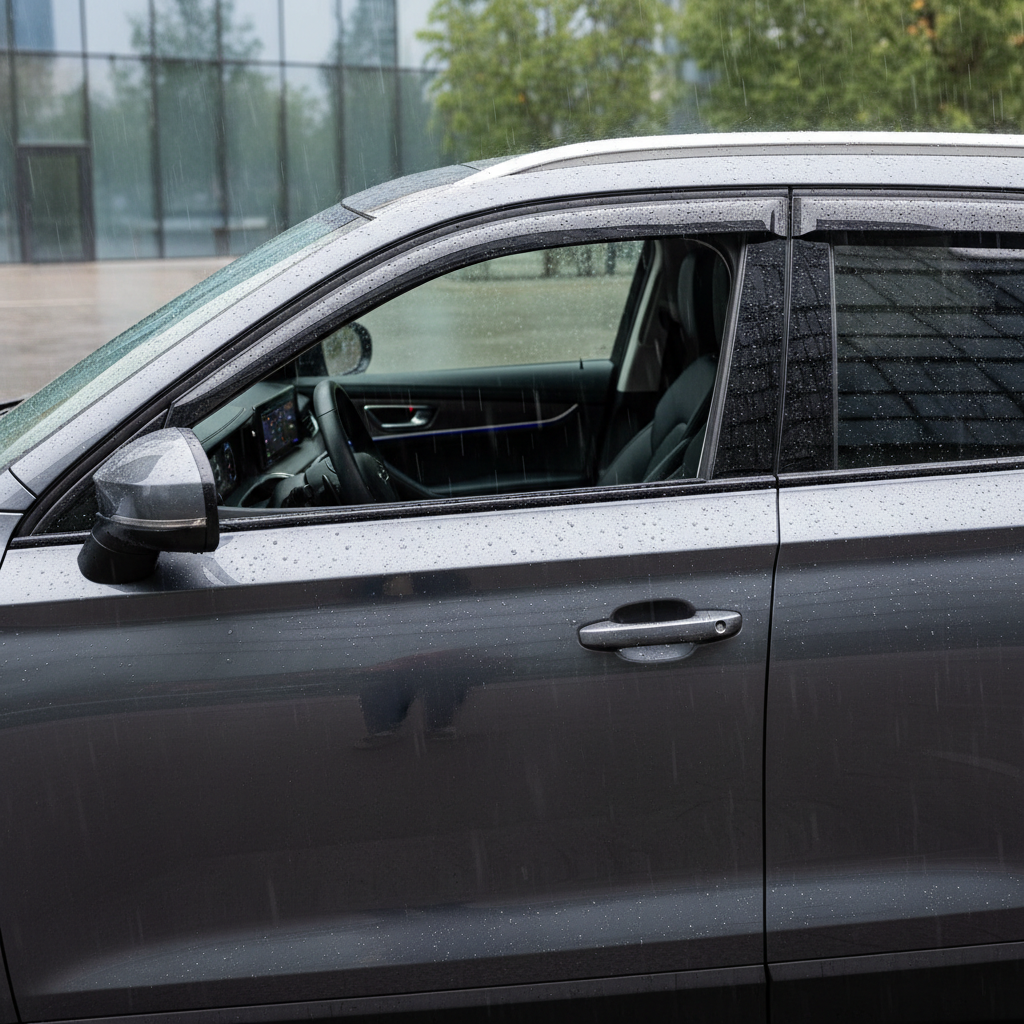
What “fresh air, no rain” really means in a car
Most “rain-proof ventilation” claims rely on two ideas: changing the airflow path so water can’t fall straight in, and reducing the pressure differences that pull mist inside at speed.
- At a stop or while parked: rain mainly drops vertically, so a visor that creates an overhang usually works well if you only crack the window a little.
- At highway speed: water can be forced upward by turbulence, so you need better shielding, smaller openings, and sometimes a different vent location.
- In heavy wind-driven rain: almost any solution can fail if the window opening is large; the goal shifts to “minimize water,” not “zero water.”
According to the National Highway Traffic Safety Administration (NHTSA), ventilation matters for driver alertness and comfort, but anything you add should not obstruct visibility or interfere with safe vehicle operation. In plain terms, don’t let a vent accessory create a blind spot or a loose part that could detach.
Top types of car window vents (and when each one makes sense)
There isn’t one universal “best.” The best car window vent for fresh air no rain depends on whether you drive daily, camp in your car, or just want to reduce fog in winter.
1) In-channel window vent visors (rain guards)
These sit inside the window channel. When the fit is right, they look clean and often seal better than tape-only styles. The trade-off is you need exact vehicle fitment, and some vehicles with tight channels can feel “stiffer” when the window rolls up.
- Best for: daily driving, light-to-moderate rain, a subtle look
- Watch-outs: pinched window seals, auto-up windows reversing if resistance increases
2) Tape-on (outer-frame) vent visors
These use automotive-grade adhesive on the door frame. Done right, they hold well; done sloppy, they peel at corners and whistle at speed. They’re often easier to fit on tricky window channels.
- Best for: vehicles with narrow channels, people who want simpler installation
- Watch-outs: surface prep matters a lot, cold-weather adhesion can be finicky
3) Window “mesh insert” vents (for camping/pets)
These are inserts that sit in the open window frame and usually include mesh to keep bugs out. They can move more air than a tiny crack, but they’re not equally rain-resistant across brands, and they’re generally more noticeable from outside.
- Best for: car camping, parked ventilation, keeping insects out
- Watch-outs: security and weather limits, fit varies widely
4) Auxiliary 12V/USB fans (paired with a cracked window)
A small fan doesn’t block rain by itself, but it can let you crack windows less while still moving air. That’s a practical “cheat code” for staying dry.
- Best for: humid climates, reducing fog and stale air, sleeping in car
- Watch-outs: wiring/cord routing, noise, battery draw if engine is off
Quick comparison table: picking the right setup
If you’re trying to decide fast, use this table as a reality check.
| Option | Rain Resistance | Airflow | Noise at Speed | Security (parked) | Best Use |
|---|---|---|---|---|---|
| In-channel vent visor | High (small crack) | Medium | Low–Medium | Good | Daily driving, light rain |
| Tape-on vent visor | Medium–High | Medium | Medium | Good | Easy install, mixed conditions |
| Mesh insert vent | Low–Medium | High | Low (parked) | Fair | Camping, bugs |
| Small fan + tiny window crack | High (because crack is small) | Medium–High | Varies | Good | Humidity control, sleeping |
A simple self-check: what should you buy for your situation?
Before shopping, answer these quickly. Your “best” choice usually pops out.
- You mainly want dry ventilation while driving in rain: start with a quality set of vent visors (often in-channel if fitment is solid).
- You mainly want airflow while parked overnight: visor + small fan, or a camping insert vent if bugs and heat are the bigger issues.
- You hate wind noise: prioritize visors with a low-profile shape and plan to crack the window less, then add a fan if needed.
- You worry about break-ins: avoid wide-open inserts in public areas, keep the opening small, and consider ventilating from the least accessible window.
- Your car has auto-up/anti-pinch windows: be cautious with in-channel styles, a poor fit can trigger window reversal.
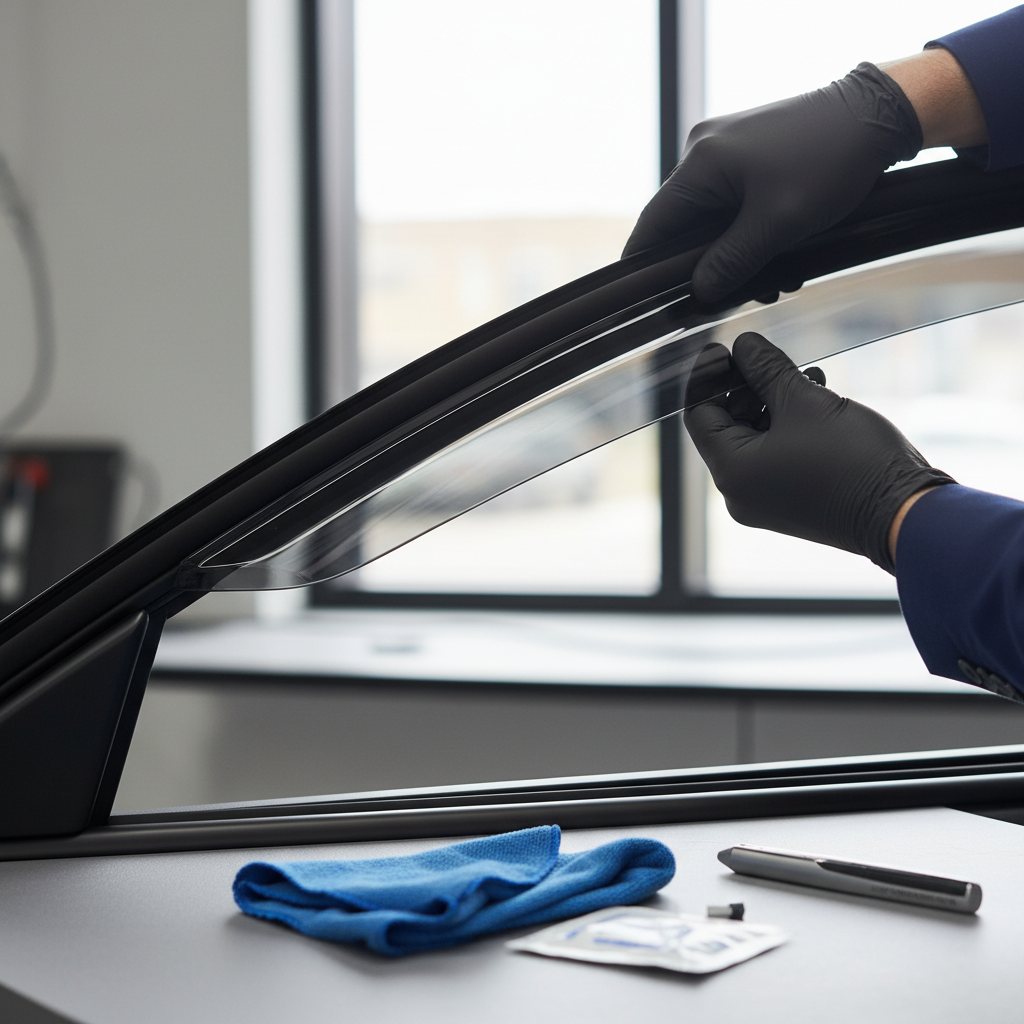
How to install and use a vent so it actually stays dry
Most complaints come from two issues: poor adhesion/fit, and opening the window too far for the conditions.
Install steps that matter more than the brand name
- Clean like you mean it: use isopropyl alcohol on the mounting surface, then let it dry fully before any tape touches paint or trim.
- Warm the adhesive: in cool weather, gently warming the tape and door frame (not scorching) helps bonding.
- Hold pressure, then wait: press firmly along the full length, and avoid washing the car for about a day if the manufacturer recommends a cure time.
- Test windows slowly: roll up and down a few times, listen for scraping, and make sure auto-up doesn’t reverse.
Usage tips for “no rain” performance
- Crack less than you think: many setups stay dry at 1/4–1/2 inch but leak at 1 inch, especially in wind-driven rain.
- Vent crosswise: open the opposite rear window slightly for a gentler flow that pulls air through without inviting spray.
- Park with awareness: if wind is pushing rain from one side, vent the leeward side instead.
Common mistakes that cause leaks, noise, or regret
A few patterns show up over and over, even with “good” products.
- Buying “universal” for a daily driver: universal fits often mean universal gaps, gaps mean water and whistle.
- Ignoring door-frame curves: a visor that bridges a curve lifts at the corners, then tape fails.
- Expecting wide-open windows in a storm: the best car window vent for fresh air no rain still has limits in hard, angled rain.
- Not checking after a car wash: high-pressure spray finds weak points fast, better to learn in the driveway than on a road trip.
- Overlooking safety visibility: dark visors can create a small but annoying blind area near the A-pillar on some vehicles.
According to the Federal Trade Commission (FTC), marketing claims should be truthful and supported; in practice, “rain-proof” is often shorthand for “better than bare windows,” not a guarantee. Treat product language as a starting point, then rely on fitment and setup.
When to consider professional help (or at least a second opinion)
If your window behavior changes after installation, don’t power through it. Auto-up windows that bounce back, unusual motor strain, or persistent seal gaps can turn into a broken regulator or torn weatherstrip.
- Go to a reputable installer if you’re unsure about in-channel fit on a newer vehicle with sensitive anti-pinch systems.
- Ask a body shop if tape-on accessories won’t bond, sometimes the trim has coatings or contamination that need different prep.
- Talk to a mechanic if you suspect water is entering the door cavity and affecting electronics, this is uncommon but worth caution.
Key takeaways and a practical recommendation
If you want one clear direction: for most drivers, a vehicle-specific vent visor plus a small fan is the most reliable path to the best car window vent for fresh air no rain results, because you can keep the window opening minimal while still getting noticeable airflow.
- Daily commuting: pick a well-fitting visor set, crack windows slightly, and you’re done.
- Humid climate or foggy mornings: add a quiet USB fan so you can vent less and stay drier.
- Car camping: consider a mesh insert only if you’re comfortable with the security trade-off, and pair it with smart parking.
Pick one setup, install it carefully, then test it in light rain before you depend on it during a trip. That small step saves the most frustration.
FAQ
- What is the best car window vent for fresh air no rain for highway driving?
Usually a low-profile, vehicle-specific window visor works best, paired with a smaller window crack; at speed, large openings tend to pull mist inside. - Do in-channel vent visors damage window seals?
Many are fine when fitment is correct, but a tight or misaligned piece can stress the rubber or trigger auto-up reversal, so test slowly and stop if the window binds. - How far should I crack my windows in the rain?
A small opening often works better than you expect, around a finger width; once you go wider, wind-driven rain becomes much harder to control. - Are mesh window vents safe to use overnight?
They can be convenient for airflow and bugs, but security depends on where you park and how visible the insert is; in public areas, a smaller crack plus a fan is often a safer compromise. - Why do my vent visors whistle or add wind noise?
Noise usually comes from gaps, corner lift, or the window being open too far for the visor’s shape; reseating, re-taping edges, or reducing the opening often helps. - Can I leave windows cracked in the rain without a visor?
You can try, but even light wind can blow water inside; a visor changes the airflow path and generally improves the odds of staying dry. - Will a small fan really help with fresh air?
In many cases, yes, because it increases air exchange without needing a big window opening; just be mindful of noise and power use if the engine is off.
If you’re trying to choose quickly and want a lower-drama setup, focus on a vehicle-specific visor with clean installation, then add a compact fan only if airflow still feels weak, it’s usually the simplest way to get fresh air without inviting rain.