
Best car parking assist sensor for front rear choices usually come down to one thing, how confident you want to feel at low speeds when the bumper corners and blind spots start lying to you.
If you’ve ever crept into a tight spot and still tapped a curb, or felt that last 12 inches vanish in your mirrors, you already know why these systems sell, they turn “guessing” into “measuring.”
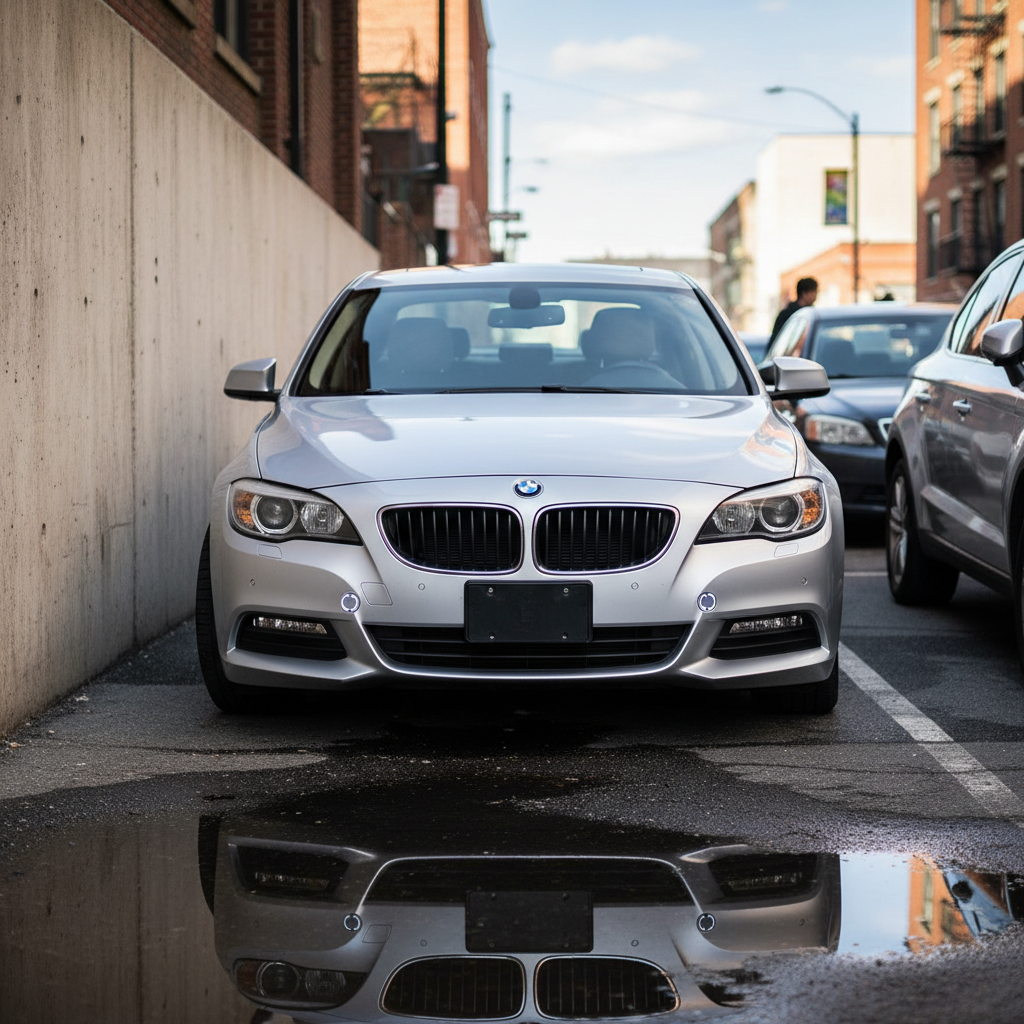
There’s also a common misconception worth clearing up early, a parking sensor kit is not “just a beeper.” The good ones have stable detection, reasonable filtering so they don’t scream at rain, and a display or tone pattern you can actually interpret in a hurry.
This guide breaks down what matters when you shop, how to tell which setup fits your vehicle, and how to avoid the usual install and calibration mistakes.
What you’re really buying: sensor types and how they behave
When people search for the best car parking assist sensor for front rear, they’re often comparing brands, but the bigger difference is usually the sensing method and how it’s installed.
Ultrasonic sensors (most common)
Ultrasonic kits use small round sensors mounted in the bumper and “ping” sound waves to estimate distance. For most drivers, this is the familiar factory-style experience, especially for rear coverage.
- Pros: consistent at low speed, clear distance steps, works day or night
- Tradeoffs: bumper drilling on many kits, performance can vary in heavy rain, slush, or very soft angled surfaces
Electromagnetic strip sensors (no drilling)
These use a thin adhesive strip mounted inside the bumper. They’re popular for leased cars or anyone who refuses to drill.
- Pros: hidden install, typically no exterior holes
- Tradeoffs: detection “feel” can be less precise, install quality matters a lot because the strip placement is everything
Camera plus sensors (hybrid setups)
A camera helps with shape recognition, while sensors help with distance, so you’re not relying on one input. In real parking, this combo often reduces anxiety the most, but it costs more and adds wiring complexity.
How to choose the best kit for front + rear (what specs matter)
The best car parking assist sensor for front rear is the one that matches your vehicle shape, your daily parking environment, and how much you want to modify the car.
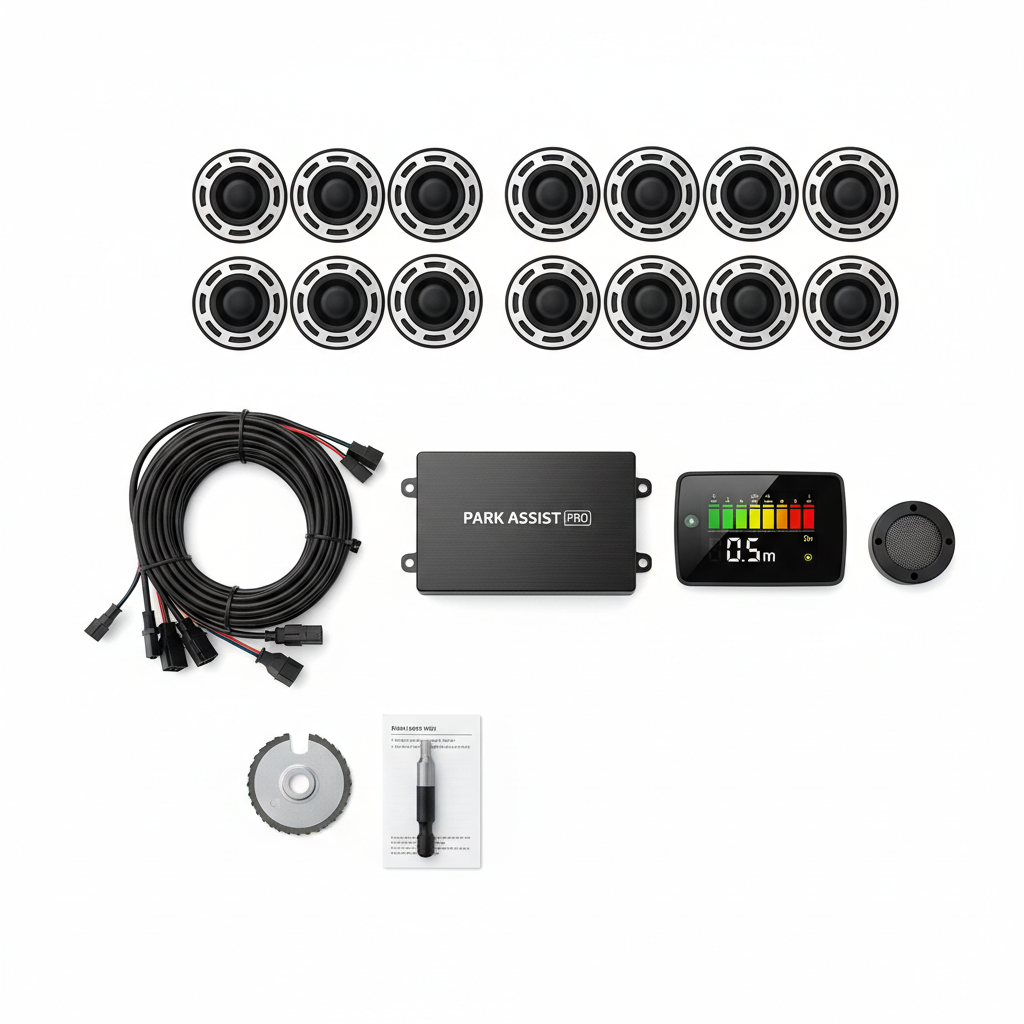
- Number of sensors: 4 rear sensors is common, front + rear often runs 8, more sensors usually means better corner coverage.
- Detection range: look for a range that starts close enough to help with the last foot, and extends far enough to prevent that “late warning” feeling.
- Alert style: buzzer-only works, but many drivers prefer LED/LCD distance displays for front sensors because the sound can blend into cabin noise.
- Weather resistance: bumper-mounted sensors live in water, salt, heat, and car washes, IP ratings or clear sealing language is a plus.
- Paint-match options: some sensors are paintable, but paint thickness can affect sensitivity if applied too heavily.
- False-alert filtering: a kit that panics at every rain drop becomes background noise fast, and then you stop trusting it.
Quick self-check: which setup fits your car and your parking life?
If you’re stuck between a simple rear kit and a full front rear kit, this checklist usually makes the answer obvious.
- You regularly park nose-in with a low curb or parking block, front sensors help more than you think.
- Your vehicle has a long hood, tall trunk, or thick rear pillars, front rear coverage reduces those blind inches.
- You parallel park often, corner sensors matter, not just the middle rear sensor pair.
- You park in garages with bikes, poles, or storage shelves, narrow objects are the hardest for mirrors.
- You drive a truck or SUV and your bumper height varies from other cars, you’ll want a kit with decent adjustability.
If most of these are “yes,” you’re in the group that typically feels the upgrade immediately, and that’s where the best car parking assist sensor for front rear pays off.
Comparison table: common front/rear parking sensor options
This table won’t pick a brand for you, but it will keep you from buying the wrong category.
| Option | Install style | Best for | Watch-outs |
|---|---|---|---|
| 8-sensor ultrasonic (front + rear) | Often requires drilling bumpers | Most drivers who want factory-like feedback | Hole placement and sensor angle errors cause uneven detection |
| 4-sensor rear ultrasonic | Drill or bracket, depending on kit | Drivers who reverse into spots, basic protection | Front curb hits still happen, corner coverage may feel limited |
| Electromagnetic strip (rear or both) | Hidden strip inside bumper | Leased cars, “no holes” preference | Placement sensitive, may struggle with certain angles |
| Camera + sensors combo | More wiring, sometimes head-unit integration | High-confidence parking in tight spaces | Compatibility and clean routing take time, higher cost |
Practical installation guidance (DIY-friendly, but honest about risk)
Most kits are marketed as DIY, and many people do install them at home, but bumpers are easy to misjudge, and one wrong hole becomes a permanent reminder.
If you DIY, the steps that matter most
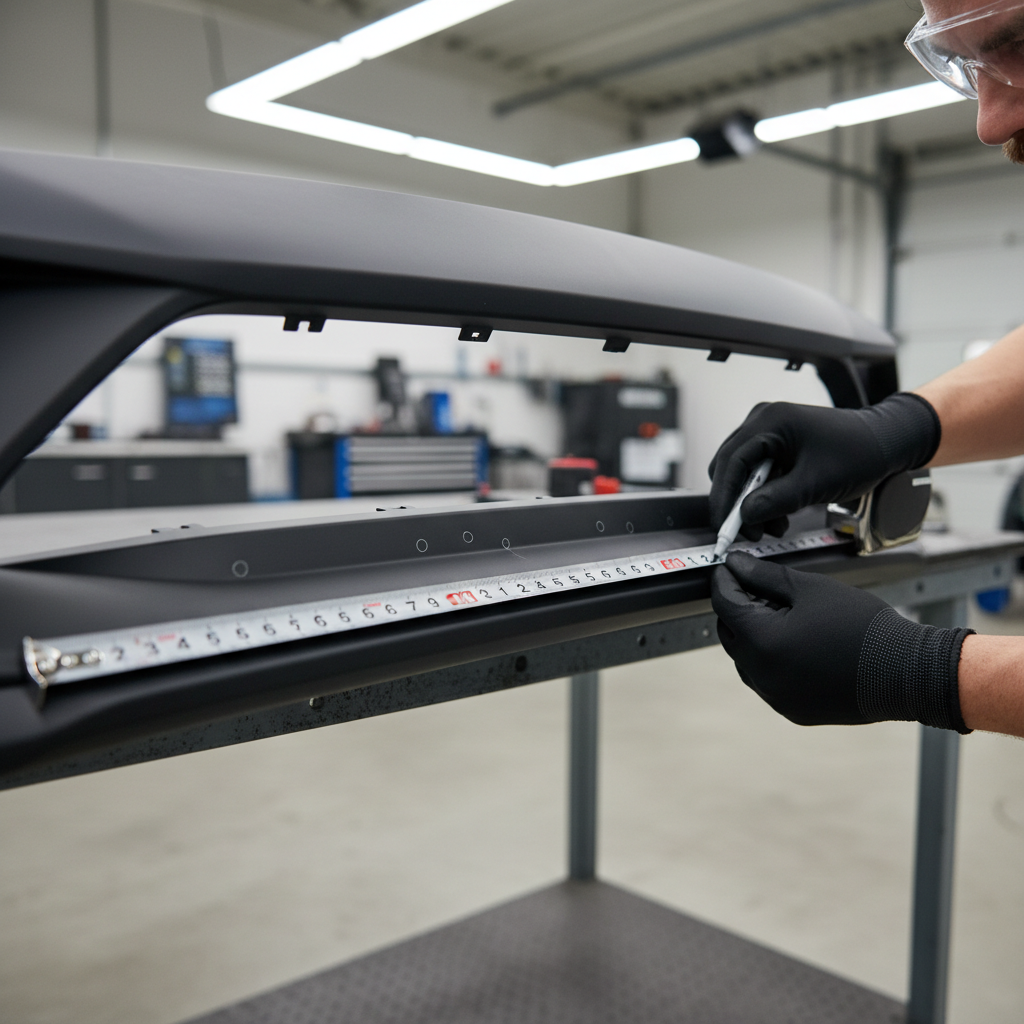
- Plan sensor height and spacing: too low and you catch road texture, too high and you miss curbs.
- Check behind the bumper: look for crash beams, foam blocks, wiring, and parking radar modules on newer vehicles.
- Use a centerline reference: measure twice, mark once, then re-measure from both sides so spacing stays symmetrical.
- Angle matters: sensors should sit flush, tilted sensors can “see” the ground or sky and give weird distances.
- Route wiring like OEM: avoid sharp bends, hot exhaust areas, and pinch points near hinges.
For front sensors, many drivers choose a separate enable switch or a speed-triggered module, otherwise the system may chirp at curbs in slow traffic, drive-thrus, or stop-and-go.
Common mistakes that make “good sensors” feel bad
A lot of frustration comes from setup errors, not from the kit itself. If you install the best car parking assist sensor for front rear and it still annoys you, these are the first places to look.
- Too-close spacing at the corners: sensors can overlap and create jumpy alerts.
- Sensors placed on curved bumper ribs: the face is not flush, so readings drift.
- Poor grounding or noisy power: random beeps can be electrical noise, not obstacles.
- Assuming it detects everything: thin chains, very low objects, or odd angles can be harder for some systems.
- Overpainting sensors: thick paint or clear coat can soften sensitivity.
According to NHTSA, technology features such as rear visibility systems can help reduce backing incidents, but they still require driver attention and safe driving habits. Treat sensors as assistance, not a substitute for looking.
Real-world buying advice: what to prioritize by scenario
If you want a clean recommendation style without pretending one kit fits everyone, think in scenarios.
Urban parallel parking, tight streets
- Prioritize front corner coverage, not just rear distance
- Choose a kit with a display or clear tone pattern you can learn quickly
Garage parking with shelves, bikes, stored items
- Prioritize consistent short-range alerts so the last 6–12 inches feels controlled
- Consider camera + sensor if lighting is decent and you want object shape confirmation
Large SUV/truck, higher bumpers
- Look for adjustable sensitivity or documented mounting guidance for taller vehicles
- Make sure the kit supports front rear without constant false alarms in traffic
Leased vehicle or “no drilling” preference
- Electromagnetic strips can be the practical compromise
- Be picky about install prep, clean surfaces and correct strip position matter more than people expect
When to get a professional install (and when to skip)
Professional install makes sense when your bumper has complex contours, you’re integrating with an aftermarket head unit, or you just don’t want the stress of drilling. Many shops can also help you choose mounting locations that avoid internal bracing.
It’s also worth asking a shop if your vehicle already has pre-wiring or trim blanks, some models make add-ons easier, others do not. If you’re unsure about compatibility with airbags, ADAS sensors, or factory parking systems, it’s safer to consult a qualified installer.
Key takeaways before you buy
- Match the sensor type to your tolerance for drilling, not to marketing promises.
- Front sensors change daily driving, so plan for an enable switch or smart activation to avoid constant chirps.
- Install quality decides results, alignment, height, and wiring cleanliness matter as much as the kit.
- Assistance, not automation, you still need mirror checks and slow-speed control.
Conclusion: picking the “best” without overthinking it
The best car parking assist sensor for front rear is usually an 8-sensor ultrasonic kit with alerts you can read fast, installed at the right height with clean wiring, because that combination gives predictable feedback in the situations that actually cause scrapes.
If you’re deciding today, pick your install style first, drilling vs no-drill, then choose the alert style you’ll actually notice, and finally confirm you can mount sensors flush on your bumper. That order prevents most buyer’s remorse.
If you want the low-effort next step, take two measurements of your front and rear bumper height from the ground and note your usual parking environment, curb blocks, garages, parallel parking, then shop with those notes in hand.
FAQ
What is the best car parking assist sensor for front rear for most vehicles?
For many sedans and crossovers, an 8-sensor ultrasonic kit tends to feel closest to factory behavior, as long as the sensors mount flush and the alerts are easy to interpret. The “best” shifts if you can’t drill or if your bumper shape is tricky.
Are front parking sensors worth it if I already have rear sensors?
Often, yes, especially if you park nose-in near curbs, parking blocks, or garage walls. Rear sensors reduce backing stress, but front sensors are what prevent the quiet, slow curb tap that happens when you think you still have room.
Do parking sensors work in rain or snow?
They usually still work, but heavy rain, slush, or ice buildup can increase false alerts or reduce sensitivity. Keeping sensors clean helps, and if you live in harsh winters, it’s smart to expect occasional weirdness rather than assuming the kit is faulty.
Will aftermarket parking sensors drain my car battery?
Most are designed to draw minimal power and only activate in reverse or when triggered, but wiring choices matter. If you hardwire to constant power by mistake, you can create a drain, so use the correct switched source and confirm behavior after install.
Can I install front and rear sensors without drilling the bumper?
Sometimes, yes, electromagnetic strip systems are the common no-drill path. Just go in knowing placement sensitivity is higher, and results can vary by bumper material and shape.
Do parking sensors detect curbs and parking blocks reliably?
Many kits can detect them, but reliability depends on sensor height and the object height. If sensors sit too high, a low curb might be inconsistent, so planning mounting height is more than a cosmetic choice.
Should I choose a kit with a display or just a buzzer?
If cabin noise is high or you want confidence with front sensors, a display helps because you can glance at distance steps. Buzzer-only can still work well for rear parking if tones are distinct and you’re used to them.
If you’re trying to choose the best car parking assist sensor for front rear and want a more straightforward shortlist for your specific vehicle type and install comfort level, it can help to share your car model, bumper style, and whether drilling is on the table, then you can narrow down to a kit that fits without guesswork.