
Best car tire pressure gauges digital picks in 2026 come down to one thing: can you trust the PSI number when you’re standing in your driveway, the tire looks “fine,” and the dash light still nags.
A reliable gauge saves time, helps you avoid uneven wear, and makes your air pump or compressor actually useful. If the reading is off by a couple PSI, you might chase a “leak” that isn’t there, or miss a slow leak that is.
This guide focuses on what tends to matter in real use, accuracy you can verify, features that aren’t fluff, and a simple way to match a gauge to your car, truck, or SUV.
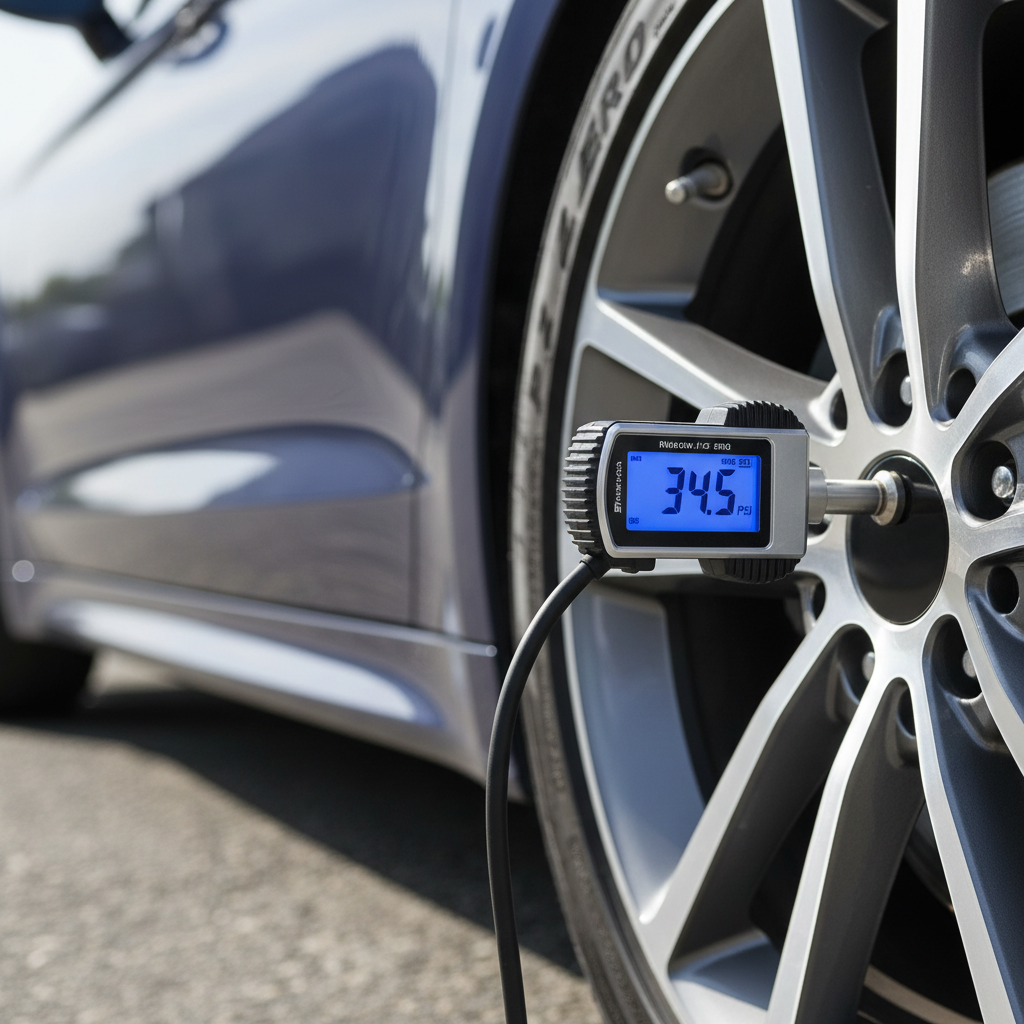
Why digital tire pressure gauges often beat “thumb tests” and cheap pencils
The quick thumb squeeze is basically guessing, and pencil gauges vary a lot from unit to unit. Digital models usually feel more consistent because the display is easy to read and you’re not squinting at a tiny stick.
- Visibility: Big screen, backlight, no guessing where the needle sits.
- Repeatability: Better units give the same reading across multiple checks on the same tire.
- Speed: A solid gauge seals well on the valve, so you get a reading fast without hissing air.
According to NHTSA, maintaining proper tire inflation is a key part of tire safety and helps reduce crash risk tied to tire-related issues. That doesn’t mean one number works for everyone, it means the right number for your vehicle matters.
What “accurate” really means for a digital tire gauge
Accuracy is where marketing gets noisy. In practice, you’re looking for a tool that’s close enough to set pressures confidently and stable enough that it doesn’t drift wildly over time.
Accuracy specs (and how to read them)
Many gauges advertise something like ±1 PSI or ±2 PSI. That range can be fine for daily driving, but consistency matters just as much.
- Target spec: For most drivers, ±1 PSI is a comfortable benchmark if it’s real and repeatable.
- Resolution vs accuracy: Showing 0.1 PSI increments doesn’t guarantee it’s truly accurate to 0.1.
- Cold vs hot tire: Tire pressure rises after driving, so the “correct” check is usually when tires are cold.
How to sanity-check a gauge at home
- Take 3 readings on the same tire, removing and reseating the gauge each time, readings should be close.
- Compare with a second gauge you trust, if both are close across all four tires, that’s a good sign.
- Watch for odd behavior: the same tire reading 30 PSI, then 36 PSI, with no air added, usually means poor sealing or a weak battery.
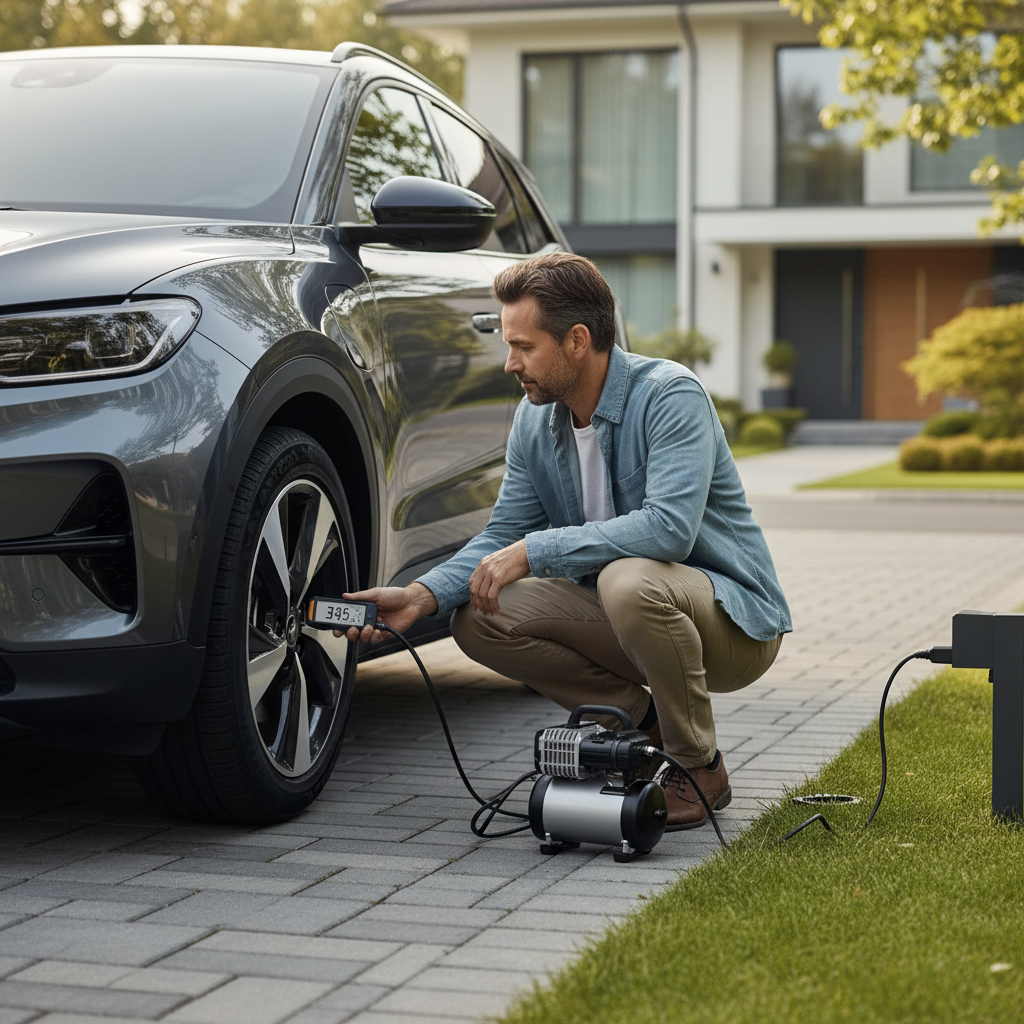
Quick buying checklist: match the gauge to your vehicle and habits
If you buy “the best” gauge but you hate using it, it’ll sit in the glovebox forever. This is the short list that actually affects day-to-day use.
- PSI range: Passenger cars usually don’t need extreme ranges, but trucks and towing setups may.
- Chuck type: Straight chucks work on many wheels, angled chucks help with tight spokes or deep valve stems.
- Backlight: Worth it if you check tires early morning, at night, or in winter.
- Bleed valve: Handy if you often overfill and need to drop PSI precisely.
- Battery type: Common coin cells are easy, but keep a spare, low power causes “random” readings.
- Build and sealing: The best car tire pressure gauges digital tend to have a firm, confident seal with minimal air hiss.
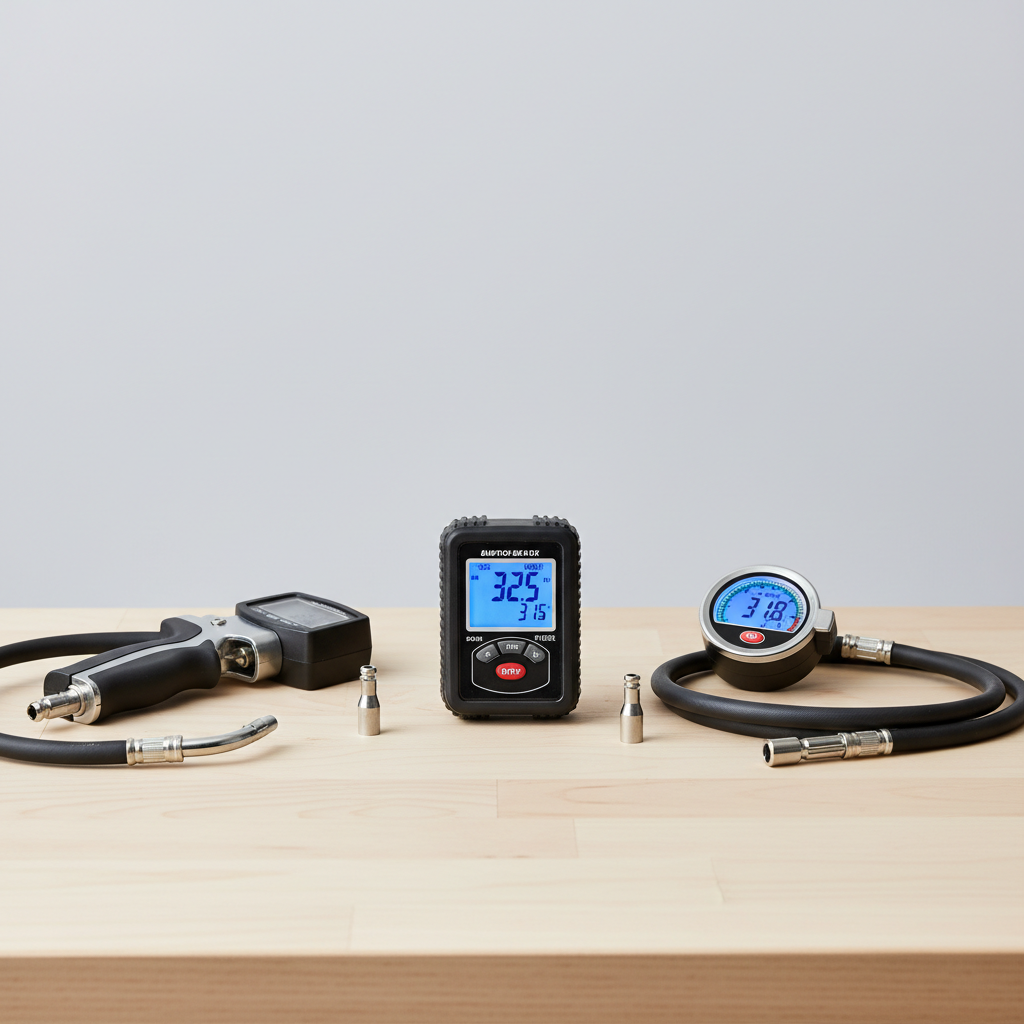
2026 comparison table: common digital gauge types
Rather than pushing one “winner,” it helps to pick a type that fits your use case, then shop within that lane.
| Gauge type | Best for | Pros | Trade-offs |
|---|---|---|---|
| Compact keychain-style digital | Glovebox emergencies | Small, cheap, easy to carry | Can be harder to seal, durability varies |
| Pistol-grip digital | Frequent checks, families with 2+ cars | Ergonomic, often faster readings, better grip | Bulkier, needs storage space |
| Digital gauge with hose | Tight wheels, trucks, some TPMS stems | Better access, less awkward angles | More parts, hose can wear out |
| Inflator + gauge combo | All-in-one driveway routine | Set PSI, inflate, bleed, done | Gauge accuracy depends on unit, needs power source |
Practical “best picks” by scenario (without brand hype)
Here’s the honest truth: “best” depends on how you’ll use it. These scenario picks map to what people actually do, commute, road trip, tow, or just react to a TPMS light.
If you only check monthly
- Choose a compact digital gauge with a backlit screen.
- Prioritize easy sealing over extra features.
If you manage multiple vehicles
- Pistol-grip or hose-style digital gauge reduces frustration across different wheels.
- Look for a bleed valve so you can fine-tune pressures fast.
If you drive a pickup, tow, or haul
- Pick a wider PSI range and a design that reaches recessed valve stems.
- Consider pairing it with a quality inflator, because checking without adjusting is only half the job.
If your TPMS light keeps coming back
- Get a gauge you can trust, then check cold pressure on all four tires, plus the spare if your vehicle uses it.
- If one tire consistently drops, you may be dealing with a slow leak or valve issue, a shop can confirm.
How to use a digital tire pressure gauge correctly (and avoid false readings)
The “wrong” method is usually the reason people think a gauge is inaccurate. A good routine makes almost any decent unit feel better.
- Check cold tires: Ideally before driving, or after the car sits for a few hours.
- Press straight and firm: Angle causes leaks, leaks cause low readings, and you’ll hear it.
- Wait for a stable number: Many gauges flash then settle, don’t chase the first digit.
- Measure, then adjust: Inflate a little, recheck, repeat, don’t overshoot and bleed a lot unless you have to.
- Use the door jamb sticker: That’s the recommended PSI for your specific vehicle and tire size setup.
According to NHTSA, the vehicle placard (often on the driver door jamb) is the reference point for recommended inflation, not the maximum PSI printed on the tire sidewall.
Mistakes people make when shopping for the best car tire pressure gauges digital
Some mistakes are predictable, and they waste money.
- Buying by screen decimals: 0.1 PSI display looks “pro,” but may not reflect true accuracy.
- Ignoring ergonomics: If you can’t seal it easily on your wheel style, you’ll hate using it.
- Forgetting batteries: Weak coin cells cause inconsistent readings, keep a spare in the case.
- Comparing hot vs cold readings: Pressure changes with temperature and driving, so your comparisons can be misleading.
- Assuming TPMS equals a gauge: TPMS can warn you, but it’s not always precise enough for fine adjustments.
When to get professional help (it’s not always “just add air”)
If you’re repeatedly losing pressure, topping up every week, or seeing a tire drop much faster than the others, it’s smart to have a tire shop inspect it. Many times it’s a nail, bead leak, valve core issue, or wheel corrosion, problems a gauge can reveal but not fix.
If you’re unsure about safe tire condition, visible sidewall damage, or you suspect a blowout risk, consider asking a qualified tire professional, especially before long highway drives.
Conclusion: what to buy and what to do this week
A “best” digital gauge is the one you trust enough to use consistently, with a seal that doesn’t fight you and readings that repeat. For most drivers, that means a mid-size digital gauge with a backlight and a solid chuck, and possibly a bleed valve if you like precise PSI.
- Action step 1: Check all four tires cold this weekend, record the PSI, then recheck in two weeks to spot slow leaks.
- Action step 2: If your gauge readings feel jumpy, replace the battery and test repeatability before blaming the tool.
FAQ
What is the best way to verify a digital tire pressure gauge is accurate?
Do repeat readings on the same tire and compare against a second gauge. If both track closely across multiple tires, that’s usually good enough for normal maintenance.
Are digital tire pressure gauges more accurate than analog?
Not automatically. Many digital units are easier to read and more repeatable, but a quality analog dial gauge can be very dependable if it’s built well and kept in calibration.
Why does my reading change every time I check?
Most often it’s sealing angle, valve stem access, or a weak battery. Try pressing the chuck straight, firmly, and recheck after changing the battery.
Should I inflate to the PSI on the tire sidewall?
Usually no. The sidewall lists maximum pressure for the tire’s load rating; the vehicle’s door jamb placard lists the recommended cold PSI for your setup.
How often should I check tire pressure with a digital gauge?
Many drivers do monthly, plus before road trips or big temperature swings. If you’re seeing frequent TPMS warnings, checking weekly for a short stretch can help identify a slow leak.
Can a digital gauge help diagnose a slow leak?
It can help you confirm a pattern, like one tire dropping a couple PSI over time. Finding the exact cause usually requires a proper leak check at a shop.
Do I need a gauge if my car has TPMS?
It’s still helpful. TPMS is a warning system and may not show precise pressure for fine-tuning, while a handheld gauge lets you set pressures evenly.
What features matter most for the best car tire pressure gauges digital in 2026?
Reliable sealing, repeatable readings, a readable backlit screen, and a form factor that fits your wheels. Extra modes are nice, but those basics decide whether you’ll use it.
If you’re trying to pick a gauge that fits your specific wheel style or you want a more “set it and forget it” routine, pairing a dependable digital gauge with a small inflator can make tire checks quick enough that you actually keep up with them.