
Best car armrest covers for comfort usually come down to two things most people underestimate: how the material feels after an hour of driving, and whether the cover stays put when you slide your elbow on and off all day. If your console lid feels hard, sticky in summer, or icy in winter, an armrest cover can make the cabin feel more “finished” while also protecting against oils, sunscreen, pet nails, and daily scuffs.
The tricky part is that “universal fit” rarely fits universally, and some plush covers feel great for a week but start pilling, shifting, or trapping heat. This guide helps you pick a cover that matches how you actually drive, your climate, and the level of protection you want, not just what looks good in photos.

One more reality check: if you already have a damaged latch, peeling vinyl, or a console lid that wobbles, a cover may hide the issue but won’t fix it. You can still get comfort and protection, just don’t expect a fabric sleeve to solve a mechanical problem.
What makes an armrest cover “comfortable” in real driving
Comfort isn’t only softness. It’s also temperature, friction, and how the edge feels on your forearm. A cover that’s too thick can raise your elbow height and make your shoulder feel tense on longer drives.
- Temperature control: Breathable fabrics feel less sweaty in warm states, while padded covers reduce the “cold shock” in winter.
- Surface glide: Some materials let your elbow slide naturally, others grip and tug your sleeve.
- Edge finish: Thick piping can dig into your forearm, especially in compact cars where your elbow angle stays tight.
- Noise and movement: If the cover shifts, you notice it constantly, and it becomes “annoying comfort.”
For most drivers, the sweet spot is medium padding with a breathable top layer and a non-slip underside. That combination tends to feel good without turning the console into a bulky pillow.
Materials comparison: comfort vs. protection (quick table)
Material choices are where comfort and durability trade places. Here’s a practical way to compare what you see online.
| Material | Comfort feel | Protection strength | Best for | Watch-outs |
|---|---|---|---|---|
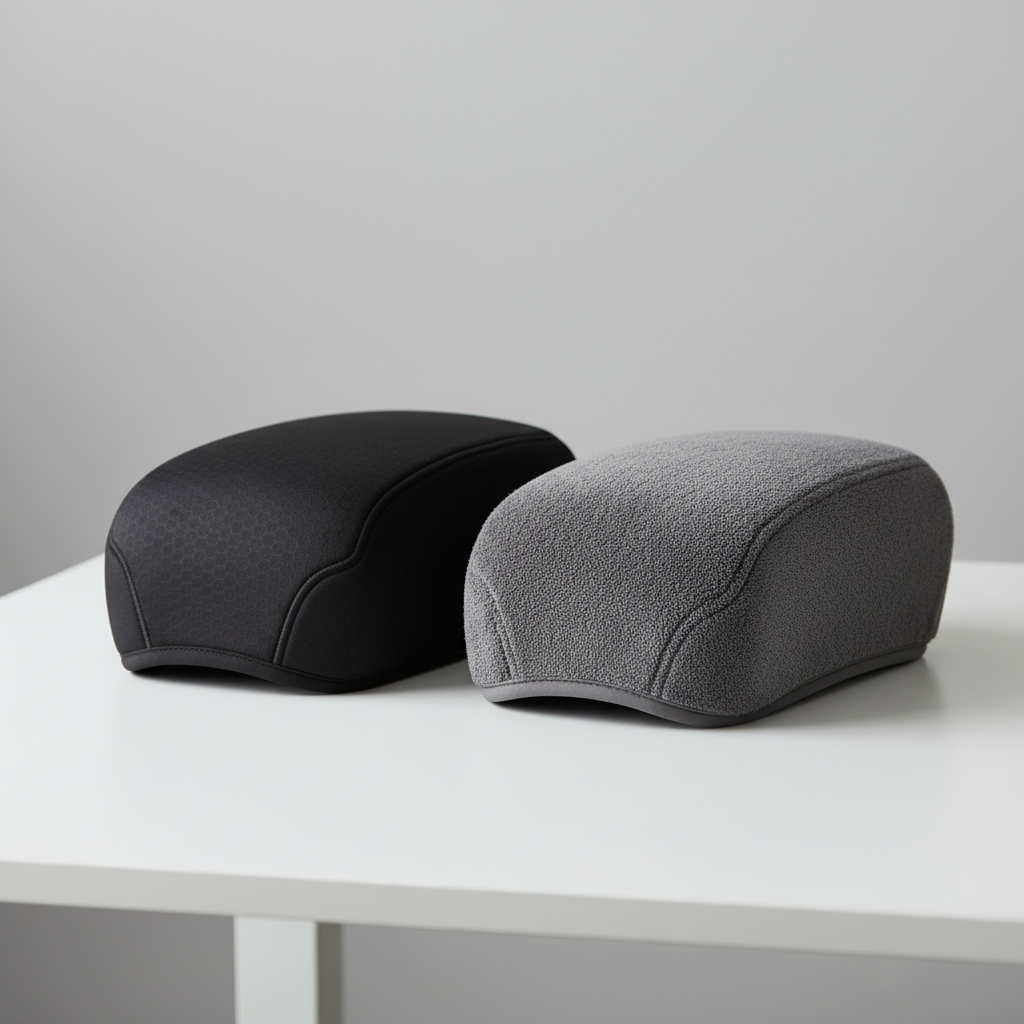
| Neoprene | Soft, slightly springy | Great against spills | Kids, coffee, gym-to-car | May feel warm, can trap moisture |
| Microfiber | Smooth, “clean” feel | Good for oils and light wear | Daily commuting | Can show stains, may fuzz/pill |
| PU / faux leather | Firm, sleek | Good abrasion resistance | Style match to leather interiors | Can get hot, may crack over time |
| Real leather | Premium, breaks in | Strong if maintained | Long-term ownership | Needs conditioning, higher cost |
| Velour / plush | Very soft | Okay for light wear | Cold climates, comfort-first | Attracts lint, can flatten quickly |
| Mesh top + grip base | Cooler, less sweaty | Moderate | Hot climates | Less “cushy” feel |
If you’re shopping specifically for best car armrest covers for comfort, microfiber and neoprene are the most forgiving for most people, while plush/velour is a niche win if you strongly prefer soft touch and don’t mind extra cleaning.
Fit types that actually stay in place (and why that matters)
A cover can be comfortable but still fail if it slides. Movement creates friction spots, wrinkles, and a “cheap” feel, even when the fabric is nice.
1) Slip-on sleeves (elastic)
- Pros: Easy install, usually affordable, easy to remove for washing.
- Cons: Can creep forward over time, especially on tapered console lids.
2) Strap-under designs (buckle/Velcro)
- Pros: Better stability, works well when the console lid is narrow or angled.
- Cons: Straps can interfere with lid closure or storage access in some vehicles.
3) Vehicle-specific fitted covers
- Pros: Cleanest look, fewer wrinkles, tends to feel “OEM-like.”
- Cons: More work to confirm compatibility, sometimes higher price.
Here’s the practical rule: if you notice the cover shift during turns or when you rest your arm to check mirrors, choose a strap-under or fitted option. The more you drive daily, the more this matters.
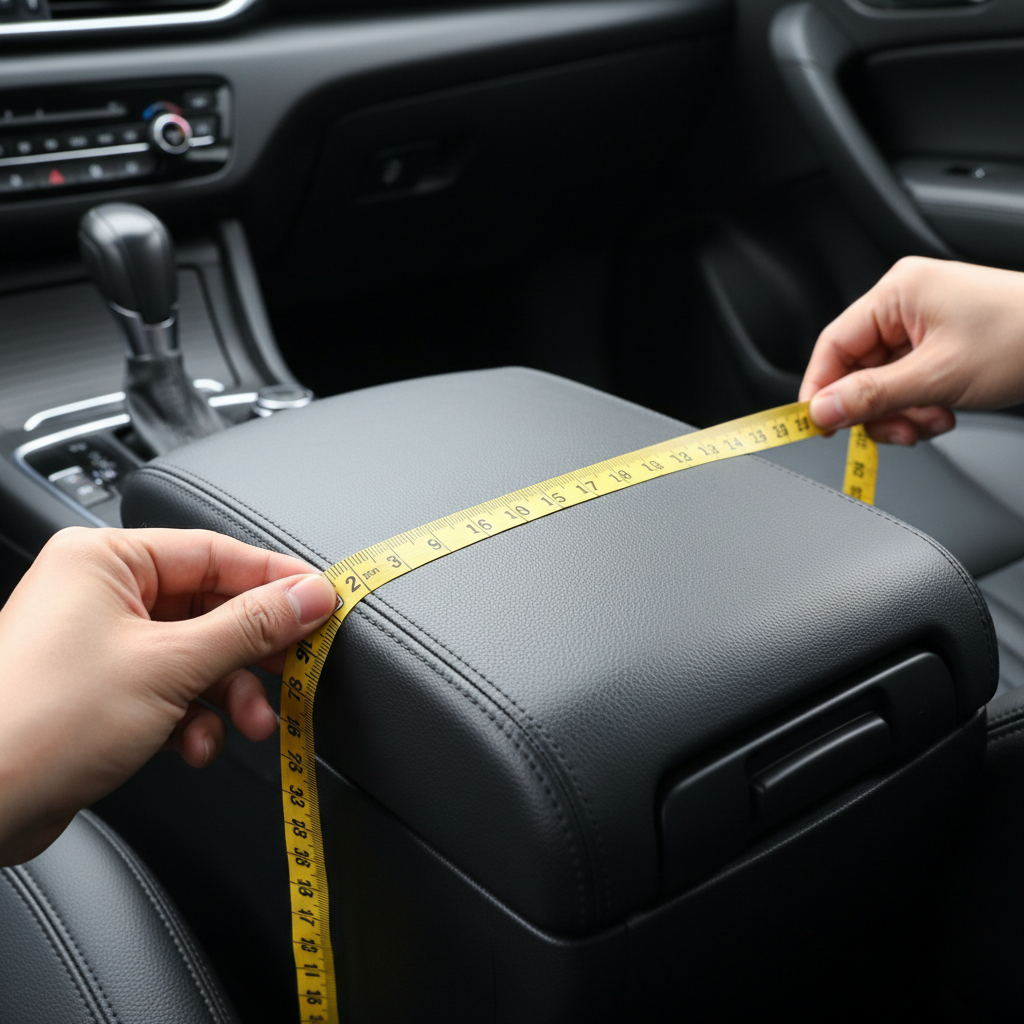
A quick self-check before you buy (2 minutes)
Most “wrong purchase” stories come from skipping measurements and ignoring daily habits. This checklist keeps it simple.
- Measure: length, width, and height of the console lid. Also check if the lid is tapered (wider at the back).
- Open/close test: does the lid lift from the front, slide, or hinge from the rear? Strap placement can matter.
- Climate reality: hot summers favor breathable tops, cold winters favor mild padding and soft touch.
- Use pattern: do you rest your elbow constantly (commute), or only occasionally (weekends)? Heavy use needs better stitching and grip.
- Mess factor: coffee, sunscreen, lotion, pets, kids, work gloves, all change what “easy to clean” should mean.
If you want best car armrest covers for comfort and you drive every day, prioritize a stable fit and a fabric that won’t feel clammy after 30–60 minutes.
Scenario-based picks: what tends to work best
Rather than chasing a single “top rated” cover, match the cover to your situation. Most people land in one of these buckets.
Hot climate commuter (Texas, Florida, SoCal)
- Look for: breathable fabric, lighter padding, non-slip backing.
- Avoid: thick faux leather if you park in sun often, it can feel hot and sticky.
Cold weather driver (Midwest, Northeast winters)
- Look for: soft-touch top layer, moderate cushioning, edges that won’t feel stiff.
- Tip: darker colors hide salt smudges better, but they also show lint if the fabric is plush.
Family car with spills and crumbs
- Look for: neoprene or wipeable surface, tight fit, easy removal.
- Bonus: a cover with a small storage pocket can be handy, but pockets sometimes sag and rub your elbow.
Pet owner (dog nails, hair, drool)
- Look for: durable weave, hair-resistant texture, washable design.
- Avoid: velour if you hate lint rollers, it grabs hair fast.
Leather interior, want an OEM look
- Look for: color-matched stitching, PU leather or real leather, fitted pattern.
- Reality: some PU covers look great initially but may wrinkle at the edges if not perfectly sized.
Installation and care tips that extend life
A cover that feels great can still wear out early if it’s installed with tension in the wrong places. Small adjustments help more than people think.
- Center it before tightening: align seams and corners, then secure straps. If you tighten first, the cover often “walks” off-center.
- Check lid movement: open and close the console several times, watch for snagging near hinges.
- Reduce sliding: if the underside is smooth, a thin non-slip liner can help, but keep it minimal so the lid still closes cleanly.
- Cleaning: follow the label. Many microfiber and neoprene covers do fine with gentle wash and air-dry, while leather needs wipes and conditioning.
- Heat caution: drying on high heat can warp elastic and shrink certain fabrics, which makes fit worse later.
According to the National Highway Traffic Safety Administration (NHTSA), drivers should keep vehicle controls and safety features unobstructed. If a cover interferes with a console latch, seatbelt buckle access, or nearby switches, swap to a lower-profile design.
Common mistakes (and how to avoid wasted money)
- Buying for looks only: a cover can match your interior but still feel sweaty or slippery. Touch comfort beats color matching for daily use.
- Ignoring console shape: tapered lids and split lids defeat many “universal” sleeves, measure anyway.
- Going too thick: extra padding sounds nice, but it can change arm position and create shoulder fatigue on long drives.
- Assuming “waterproof” means maintenance-free: water resistance helps with spills, but oils and sunscreen still build up and need cleaning.
Key takeaways: stable fit, breathable comfort, and easy cleaning are what separate a good cover from a drawer purchase you forget about.
Conclusion: how to choose with confidence
If you want best car armrest covers for comfort, start with your climate and daily use, then pick a fit style that won’t shift. For most drivers, a breathable microfiber or neoprene cover with a secure strap-under design hits the best balance, while a fitted leather-style cover makes sense when appearance matters as much as feel.
Your next step is simple: measure the console lid, decide whether heat management or plush softness matters more, then choose the least complicated cover that meets those needs. Comfort is great, but comfort you don’t have to think about is the real goal.
FAQ
What size armrest cover do I need for my car?
Measure the console lid length and width, then compare to the product’s “fit range.” If you’re near the upper limit, a strap-under design usually fits better than a tight elastic sleeve.
Are universal armrest covers worth buying?
They can be, especially for common SUV and sedan console shapes. If your lid is tapered, extra wide, or split into sections, “universal” often means more sliding and wrinkles.
What material feels coolest in summer?
Breathable fabrics like mesh-tops and some microfiber blends tend to feel cooler than faux leather. Neoprene protects well but may feel warm during long sunny commutes.
Will an armrest cover protect against sunscreen and lotion stains?
It often helps, but no material is magic. Wipeable surfaces resist staining better, and regular cleaning matters because oils can soak in over time.
Can an armrest cover interfere with console latches or airbags?
Console covers typically don’t affect airbags, but they can interfere with latches and lid closing if straps bunch up. If anything feels obstructed, switch to a slimmer cover and consider professional advice if you’re unsure.
How do I stop my armrest cover from sliding?
Choose a strap-under or fitted cover, tighten after centering, and make sure the underside has grip. A thin non-slip liner can help, but keep it minimal so the lid still closes smoothly.
Is real leather better than PU leather for comfort?
Real leather can feel more natural over time, but it needs conditioning. PU leather is easier to wipe clean and can look sharp, though it may feel hotter and wear differently depending on quality.
How often should I clean an armrest cover?
If you drive daily, a quick wipe weekly and a deeper clean monthly is a reasonable rhythm for many households. If you use sunscreen, have pets, or eat in the car, you’ll probably want to clean more often.
If you’re trying to balance comfort, durability, and a clean look without overthinking it, focus on a secure fit and a material you’ll actually maintain. The right cover should feel “invisible” while driving, and that’s usually the sign you chose well.