
how to fix car engine oil consumption too high usually comes down to one of three buckets: your engine is burning oil, leaking oil, or you are measuring it in a way that makes it look worse than it is.
If you keep topping off between oil changes, it gets expensive fast, but the bigger issue is what that oil loss can hide, worn rings, a stuck PCV system, turbo seal wear, even a simple leak that drips onto hot parts.
This guide walks you through a realistic path: confirm the rate, narrow down the likely cause with a few checks, then choose the fix that makes sense for your mileage, budget, and how long you plan to keep the car.
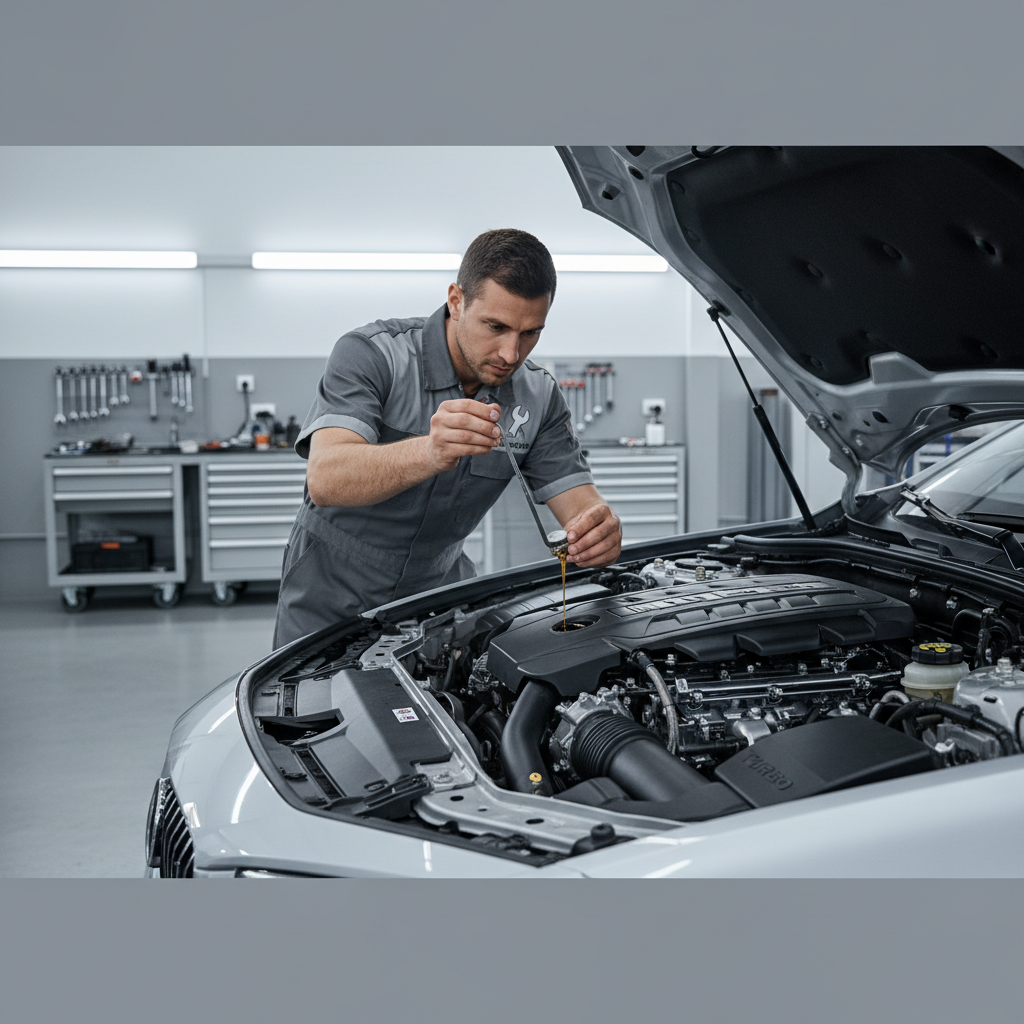
What “too high” oil consumption actually means
There is no single number that fits every vehicle, because engine design, mileage, driving style, and even oil viscosity change the baseline. Some modern engines can consume a small amount and still be considered “within spec,” while others should barely move on the dipstick.
According to the American Petroleum Institute (API), oil viscosity and service category matter for protection and performance, which is why starting with the correct oil spec is more than a paperwork detail.
- Practical rule: if you add oil regularly between oil changes, track it. Guessing is where people waste money.
- Red flag: consumption that suddenly worsens, especially after a repair, oil change, or long road trip.
- Immediate risk: running low can lead to overheating, timing chain wear, or bearing damage, so don’t “wait and see” with the level below the safe mark.
Why oil consumption gets high (real-world causes, not theory)
Most cases are boring in the beginning, then expensive if ignored. Here are the causes that show up again and again in shops and owner forums.
It’s leaking externally
Valve cover gaskets, oil pan gaskets, drain plug sealing washers, filter housings, and front or rear main seals can seep. Small leaks often burn off on the exhaust and never leave a puddle, so owners assume the engine is “burning” oil.
It’s burning internally
Worn piston rings, cylinder wall wear, hardened valve stem seals, or a clogged oil control ring can pull oil into the combustion chamber. Typical clue: blue smoke on cold start or on acceleration after a long idle, though some cars burn oil with almost no visible smoke.
PCV system problems (easy to miss, often cheap to fix)
A stuck PCV valve or restricted crankcase ventilation can increase crankcase pressure, pushing oil past seals or into the intake. Many vehicles treat the PCV as a maintenance item, but it’s rarely replaced until trouble starts.
Turbocharged engines: extra places to lose oil
Turbo seals and intercooler plumbing can collect oil mist. A light film can be normal, but pooling oil or a rapid drop in level suggests a problem that should be checked before the turbo fails.
The oil itself is part of the problem
Wrong viscosity, low-quality oil, or an oil that shears down faster than your interval can worsen consumption. Also, switching from a thicker high-mileage oil to a thinner oil can make an existing wear issue show up more clearly.
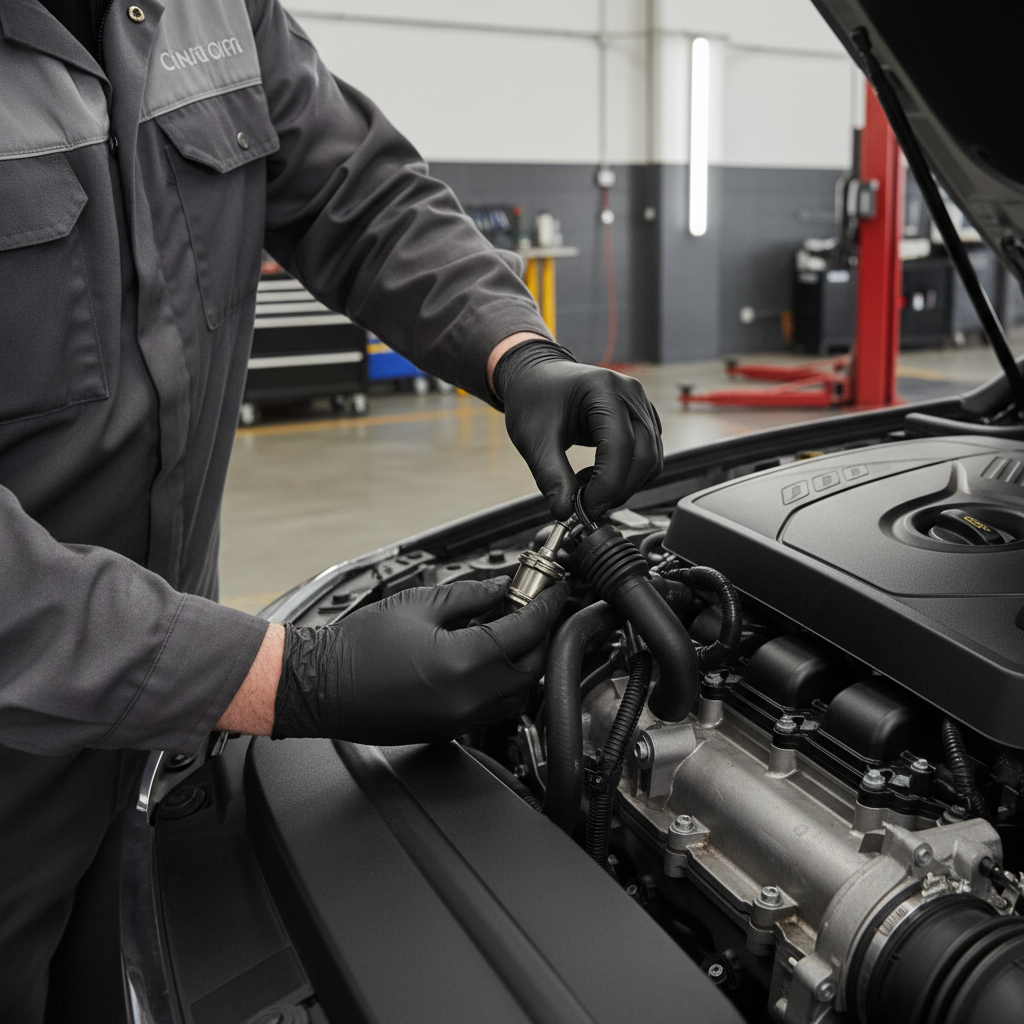
Quick self-check checklist (10–20 minutes, basic tools)
If you want to know how to fix car engine oil consumption too high without jumping straight into major engine work, start by sorting “leak” vs “burn” vs “measurement.” This short checklist does that.
- Confirm the baseline: park on level ground, wait 5–10 minutes after shutdown, then read the dipstick consistently.
- Measure a real rate: top to full mark, record mileage, re-check at 300–500 miles.
- Look for external leaks: check around valve cover, oil filter area, oil pan seam, and under the car after an overnight park.
- Check the PCV path: listen for whistling, inspect hoses for collapse or heavy oil wetness, check if PCV is stuck (method varies by model).
- Scan for codes: misfire, catalyst efficiency, or rich/lean codes can be related if oil is fouling plugs or sensors.
- Inspect spark plugs (if accessible): oily deposits on one or two cylinders often point to valve seals or localized ring issues.
- Smell check: oil on hot exhaust has a sharp burnt smell, internal burning often shows up as tailpipe odor plus increased soot.
Diagnosis table: symptom → likely cause → next step
This is not a substitute for a full inspection, but it helps you avoid random “fixes” that don’t match your symptoms.
| What you notice | What it often points to | What to do next |
|---|---|---|
| Oil level drops, no smoke, oil smell near engine bay | External leak burning off | Clean engine, drive 1–2 days, re-check fresh wet spots; consider UV dye test |
| Blue puff on cold start | Valve stem seals (common on higher mileage) | Plug inspection, compression/leak-down test if worsening |
| Blue smoke on hard acceleration | Rings/oil control ring issues | Compression + leak-down; evaluate engine condition before spending on band-aids |
| Oil in intake tube or throttle body | PCV restriction or excessive blow-by | Inspect/replace PCV parts; check crankcase pressure |
| Turbo car: oil in intercooler pipes | Turbo seal wear or high crankcase pressure | Check PCV first, then turbo shaft play/boost leaks at a shop |
| Consumption worsened after oil change | Wrong viscosity/spec, filter issue, overfill/underfill | Verify oil grade and OEM spec; confirm correct fill level |
Fixes that actually work (choose by scenario)
There are three different goals here: stop an external leak, reduce internal burning, or confirm the engine needs deeper repair so you can make a cost decision. Mixing these up is where frustration starts.
Scenario A: You found an external leak
- Tighten or reseal the obvious: oil filter, drain plug, crush washer, loose fasteners if applicable.
- Replace common gaskets: valve cover gasket and oil filter housing gasket are frequent offenders on many models.
- Use UV dye if it’s messy: shops use this because airflow spreads oil everywhere, making “spot the leak” harder than it sounds.
Leak fixes are often the highest ROI. If you’re trying to figure out how to fix car engine oil consumption too high, this is the first place to win, because it can look like consumption when it’s simply loss.
Scenario B: PCV or crankcase ventilation looks suspicious
- Replace the PCV valve or service the PCV assembly if your vehicle uses an integrated design.
- Inspect hoses and ports for blockage, collapse, or sludge buildup.
- Re-check after 300–500 miles with the same measurement method.
This fix is cheap enough that many people start here when symptoms match, but don’t treat it like magic. If ring blow-by is severe, a new PCV part may help a bit and still not solve the main issue.
Scenario C: The engine is burning oil (mileage is high, smoke or oily plugs)
- Verify oil spec: use the manufacturer-recommended viscosity and specification, not just “5W-30 because it’s common.”
- Consider a high-mileage oil if your engine qualifies; these often include seal conditioners that may reduce minor seepage.
- Shorten the oil change interval if the oil darkens quickly or the engine runs hot, because degraded oil can worsen ring sticking.
- Ask for a compression and leak-down test before spending on heavy repairs; it separates “annoying” from “end-of-life.”
Be cautious with additives marketed as permanent fixes. Some can thicken oil and mask symptoms temporarily, which might be fine as a short-term strategy, but it can also complicate diagnosis or affect cold-start lubrication.
Scenario D: Turbocharged engine with increased consumption
- Check PCV and breather system first, because crankcase pressure can push oil into the intake on boosted engines.
- Inspect charge pipes for excessive wet oil and check for boost leaks.
- Have the turbo evaluated if you see persistent smoke under boost or oil pooling; a shop can check shaft play and related seals.
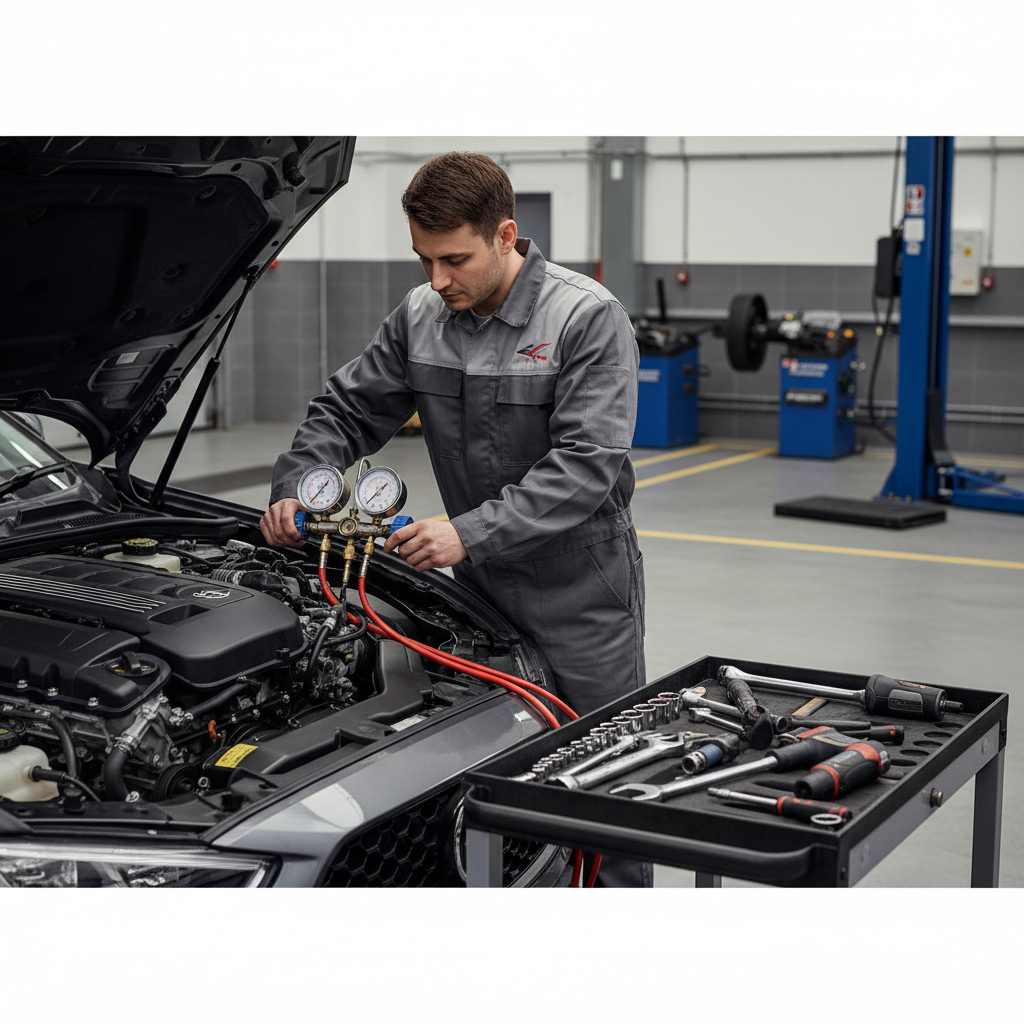
Common mistakes that waste time (and sometimes make it worse)
- Chasing viscosity as the only fix: thicker oil might reduce visible burning, but it does not repair worn rings or damaged seals.
- Ignoring a “small” leak: leaks often grow, and oil on rubber components can accelerate deterioration.
- Overfilling to “buy time”: too much oil can increase aeration and crankcase pressure, which can worsen oil control.
- Assuming no smoke means no burning: catalytic converters can hide smoke until the problem becomes severe.
- Skipping baseline measurement: without a miles-per-quart style estimate, you can’t tell if a change helped.
When to get a shop involved (and what to ask for)
If oil consumption ramps up quickly, if you see persistent blue smoke, or if the engine runs rough, it’s smart to get professional diagnostics. Not because DIY can’t help, but because one good test can save you from replacing parts that were never the problem.
- Ask for: compression test and leak-down test, and if relevant, a borescope look into cylinders.
- Ask for: UV dye leak check if external leaks are hard to locate.
- Bring notes: mileage, how often you add oil, oil brand/viscosity, and any warning lights.
According to the National Highway Traffic Safety Administration (NHTSA), vehicle defects and safety-related issues can be addressed through recalls and investigations, so if your model is known for abnormal oil consumption, it’s worth checking whether there is a service bulletin or recall history tied to your VIN.
Key takeaways (so you can act today)
- Start with measurement: confirm a real rate before buying parts or changing oil weight.
- Rule out leaks early: many “burning oil” complaints are actually external loss.
- PCV issues are common: they can increase oil use and are often affordable to fix.
- Testing beats guessing: compression/leak-down results guide whether you maintain, repair, or plan an engine overhaul.
Conclusion: a practical path to reduce oil loss
If you’re trying to figure out how to fix car engine oil consumption too high, the fastest wins usually come from confirming the rate, fixing leaks, and making sure the oil spec matches what the engine was designed to use. If those steps don’t move the needle, basic engine tests give you clarity, either you have a manageable wear issue, or you’re looking at repair decisions that should match how long you plan to keep the vehicle.
Action steps: track consumption for the next 500 miles, then choose one targeted fix based on what you see, not what a generic checklist suggests.
FAQ
How do I know if my engine is burning oil or leaking it?
Leaks usually leave wet areas around gaskets, the filter, or the oil pan, and sometimes a burnt-oil smell near the engine bay. Burning oil is more likely when you see blue smoke, oily spark plugs, or oil residue inside the intake, though some cars burn oil with minimal visible smoke.
Can I switch to thicker oil to reduce consumption?
Sometimes a slightly thicker oil within the manufacturer-allowed range can reduce symptoms, especially on higher-mileage engines. The tradeoff is cold-start flow and potential warranty or spec issues, so it’s safer to stay within your owner’s manual recommendations or confirm with a qualified mechanic.
Does high-mileage oil really help with oil consumption?
In many cases it helps with minor seepage because it may condition seals, but it won’t rebuild worn rings or fix a damaged turbo seal. It’s a reasonable step when symptoms are mild and you want a conservative, low-risk change.
What are signs the PCV valve is causing oil loss?
Oil in the intake, rough idle, whistling noises, increased oil seepage, or unexplained consumption can point to crankcase ventilation issues. The exact test varies by vehicle, so look up the procedure for your engine family or have a shop check crankcase pressure.
Is it safe to drive if my car is consuming oil fast?
It can be risky if the level drops near or below the minimum mark, because low oil can cause rapid engine wear. If you must drive, check the dipstick often and top off as needed, and schedule diagnosis soon, especially if warning lights appear.
Why did my oil consumption get worse right after an oil change?
The most common reasons are incorrect viscosity, the wrong spec oil, an underfill, or a new leak around the filter or drain plug. Verify the grade and fill level first, then look for fresh wet oil around service points.
What tests confirm worn piston rings or valve seals?
A compression test and leak-down test are the typical starting point, and a borescope inspection can add context by showing cylinder wall condition or oil wetness. A shop can interpret results alongside your symptoms, which is important because numbers alone can be misleading.
Are oil-stop-leak additives a good idea?
They can sometimes reduce minor seepage, but results vary by seal material and leak size, and some products can thicken oil or create deposits. If you use any additive, keep it conservative, monitor the level closely, and consider professional advice if the engine is already showing heavy consumption.
If you’d rather not chase this through trial and error, a focused diagnostic visit, UV dye leak check, PCV inspection, and a compression/leak-down test if needed, often gives a clear plan without replacing random parts.