
Best car roof racks for bike mounting usually come down to three things: a rack system that actually fits your vehicle, a carrier that matches your bike style and weight, and an install that does not loosen after a few highway trips.
People buy “heavy duty” gear thinking it means “universal” or “set-and-forget,” then end up with door-frame scratches, whistling crossbars, or a bike that sways more than it should. None of that feels great when you’re driving behind semis or hitting rough pavement.
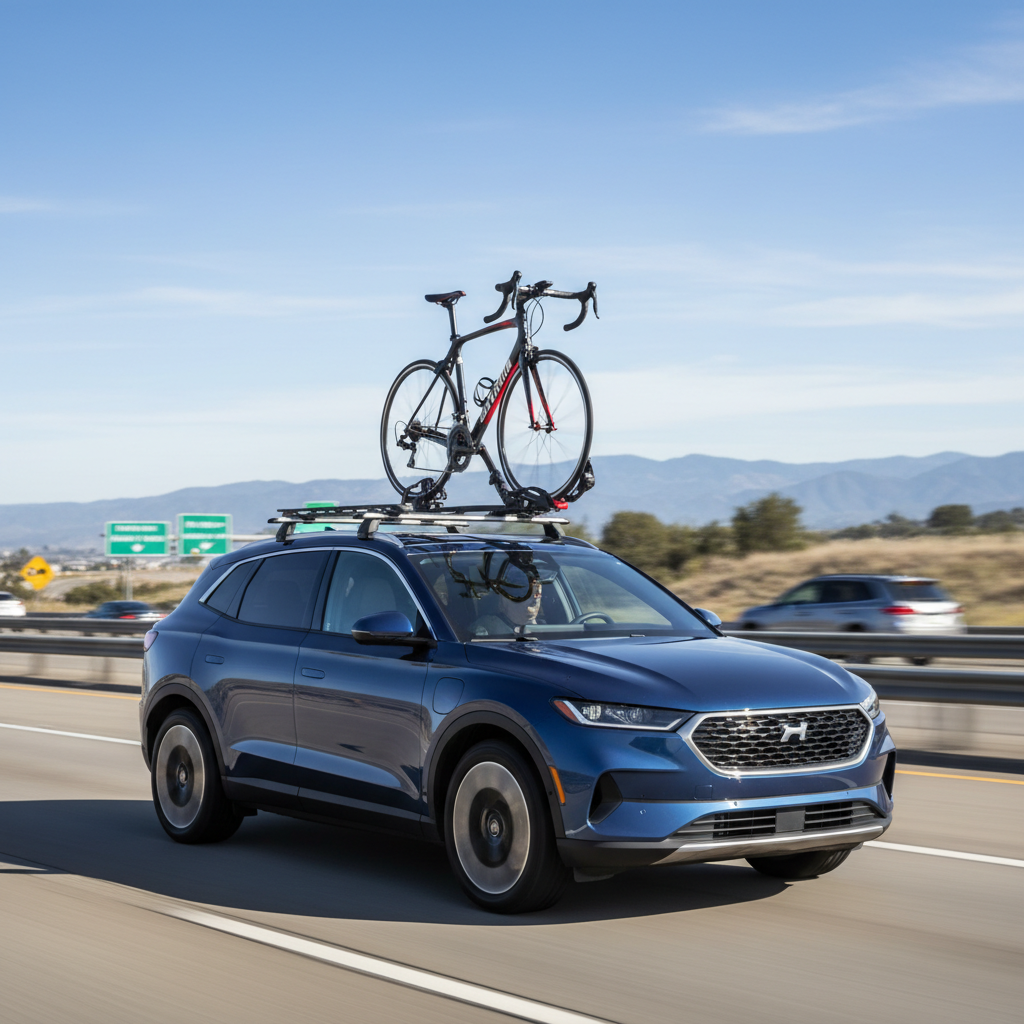
This guide focuses on what tends to matter most for heavier bikes, including e-bikes (within roof limits), plus a simple self-check, a comparison table, and practical setup tips so you can buy once and be done.
What “heavy duty” really means for roof bike racks
“Heavy duty” is not a regulated label, so you have to translate marketing into specs and real constraints.
- Dynamic load vs. static load: dynamic load is what matters while driving. Static load (parked) is not the same thing.
- Vehicle roof limit: your car may cap roof load well below what the rack could theoretically hold. That cap includes crossbars + bike carriers + bikes.
- Carrier style load rating: fork-mount and wheel-on carriers often differ in capacity and stability with heavier frames.
- Real-world “heavy” pain points: higher lift height, stronger crosswind sensitivity, and more torque on clamps and trays.
According to the National Highway Traffic Safety Administration (NHTSA), cargo should be properly secured to prevent road hazards. Roof-mounted bikes count as cargo, so treat tie-down quality and re-check routines as a safety item, not an accessory detail.
Roof rack system basics: crossbars first, bike carrier second
Most problems start with crossbars that do not match the roof type. Buy the system in the right order: confirm your roof attachment method, then choose bar shape, then add bike carriers.
Common roof types in the U.S. (and what usually fits)
- Raised side rails: often the simplest, many clamp-on feet fit well.
- Flush rails: can be solid but often need vehicle-specific kits.
- Fixed points (factory mounting points): typically a clean, strong option when supported by the manufacturer kit.
- Bare roof / door jamb clip systems: can work, but fit is more sensitive and paint protection matters more.
Bar shape affects noise and efficiency. Aero bars tend to be quieter than square bars, and they usually play nicer with modern bike trays and accessories.
Best car roof racks for bike mounting: top styles and who they fit
For heavier bikes, style choice is often more important than brand. Here’s the practical breakdown.
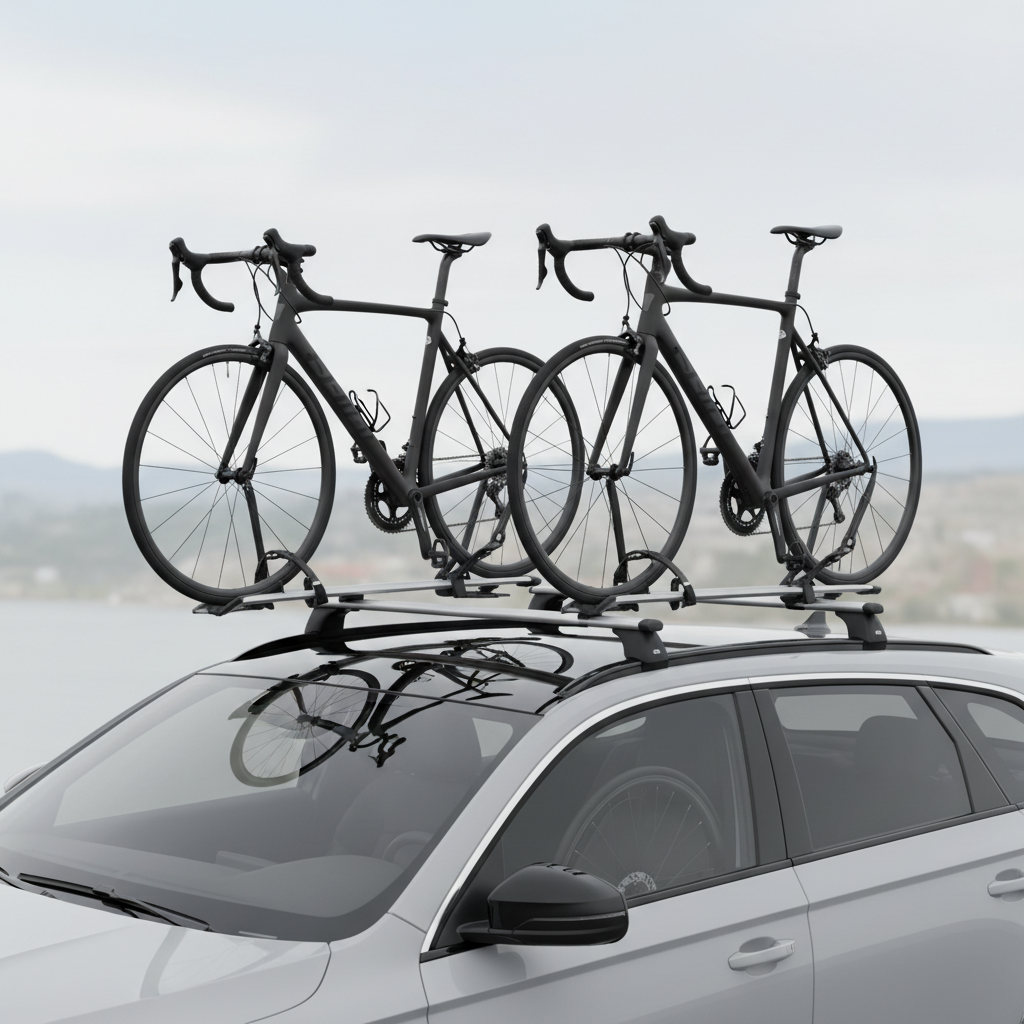
1) Wheel-on (upright) tray carriers
Wheel-on trays are popular because you keep both wheels on, which is convenient when you’re tired or traveling with kids. For many heavier bikes, they also reduce the “bike dangling” feeling.
- Best for: modern road bikes, many MTBs, commuters, some lighter e-bikes (only if weight ratings allow).
- Watch-outs: front wheel hoops and ratchets can struggle with extra-wide tires, fenders, or unusual wheel sizes.
2) Fork-mount carriers
Fork-mount carriers can feel very stable because the fork locks into a skewer or thru-axle mount. They also sit a bit lower, which sometimes helps with wind.
- Best for: frequent highway trips, riders who want a rigid connection, bikes without fenders.
- Watch-outs: you remove the front wheel, and you must match axle standards (QR vs. 12x100, 15x110, etc.).
3) Frame-hold / top-tube clamp carriers
This style is less common now for carbon frames and odd frame shapes. It can still work for some basic bikes, but for “heavy duty” use it tends to be less ideal.
- Best for: simpler bikes with traditional top tubes.
- Watch-outs: clamp pressure, paint wear, and compatibility issues with step-through or full-suspension frames.
Quick comparison table: choose what matches your bike and your roof
Use this table as a shortcut, then confirm specs on the exact product page and your vehicle manual.
| Carrier type | Stability with heavier bikes | Ease of loading | Compatibility highlights | Typical “gotcha” |
|---|---|---|---|---|
| Wheel-on tray | High (when rated appropriately) | Medium | Many frame styles, no wheel removal | Fenders, very wide tires, tall lift height |
| Fork-mount | Very high | Medium to low | Great for highway, clean hold | Axle standard mismatch, wheel storage |
| Frame-hold clamp | Medium | High | Older geometry bikes | Carbon/frame damage risk, odd shapes |
A self-check checklist before you buy (this prevents most regret)
If you only do one thing, do this. It keeps “heavy duty” realistic and avoids returns.
- Vehicle roof rating: find the dynamic roof load limit in your owner’s manual.
- Total load math: crossbars + feet + bike carriers + bikes must stay under the limit.
- Bike weight and shape: heavier frames, step-through designs, and long wheelbases narrow your options.
- Axle standard: QR, 12mm thru-axle, 15mm, boost spacing; fork-mount needs the right adapter.
- Tire width: confirm tray width for gravel and MTB tires.
- Lift height reality: can you safely raise the bike overhead? If not, a hitch rack might be the better call.
- Garage and drive-thru risk: roof bikes and low clearances do not mix; plan your reminders.
Setup tips that actually keep a heavy bike stable at speed
Even the best car roof racks for bike mounting can feel sketchy if the install is rushed. These steps are where stability usually improves fast.
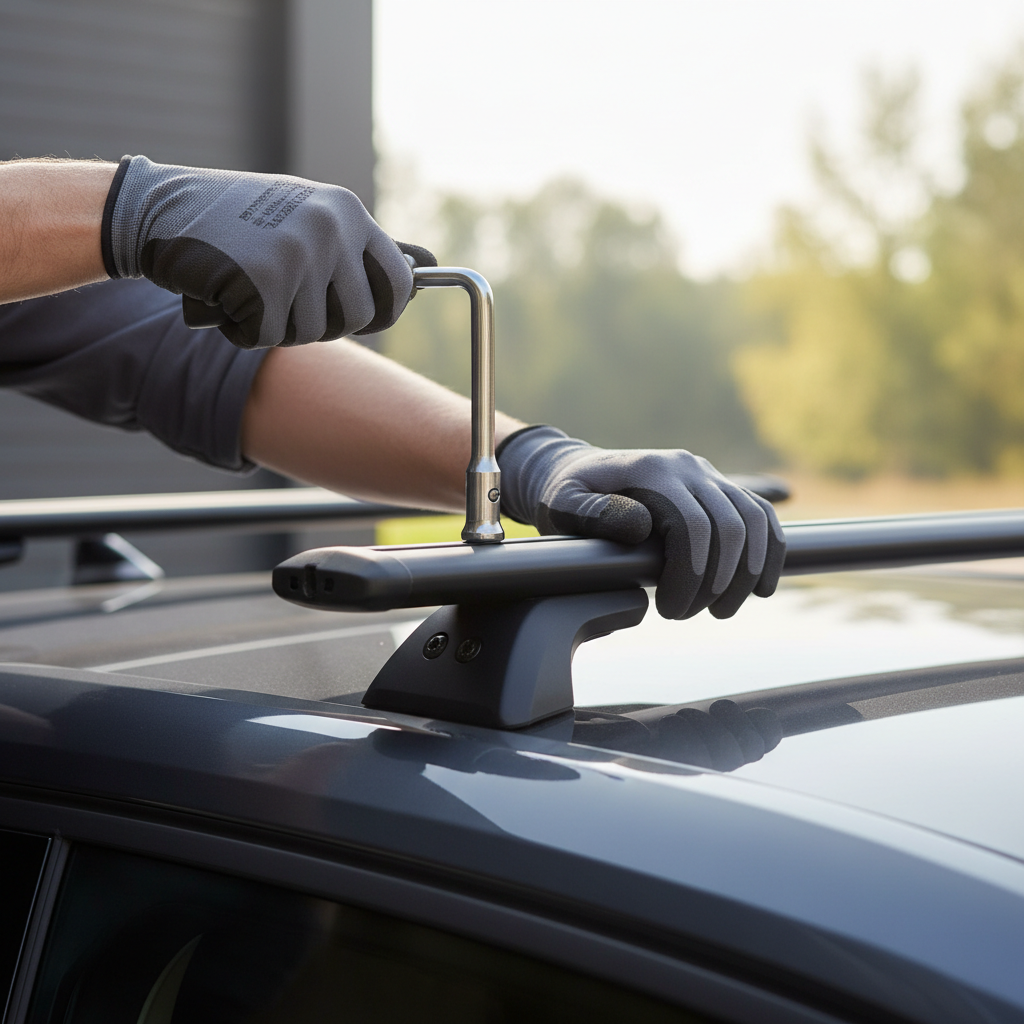
- Re-torque after the first drive: many systems settle slightly. A quick re-check often reduces wobble.
- Bar spacing matters: spread crossbars within the manufacturer range; too close together can increase sway.
- Center the load: keep the bike as centered as possible left-to-right, especially on small roofs.
- Locking is not tightening: locks deter theft, they do not replace proper clamp force.
- Strap tail management: secure loose strap ends to avoid paint slap and loud flapping.
- Wind noise fixes: adjust bar position, add a fairing if compatible, and confirm nothing sits backward.
According to the Federal Aviation Administration (FAA), cargo restraint is about preventing shifting under expected forces. While that guidance is aviation-focused, the principle maps well to vehicles: assume bumps, crosswinds, and emergency maneuvers, then secure accordingly.
Common mistakes (and what to do instead)
- Mistake: buying a carrier rated for the bike, then forgetting the roof limit. Do instead: run total load math first.
- Mistake: forcing a “universal” fit kit on a roof that needs vehicle-specific parts. Do instead: match your exact year/make/model and roof type.
- Mistake: relying on a frame clamp for carbon or oddly shaped frames. Do instead: use a wheel-on tray or fork-mount.
- Mistake: ignoring clearance. Do instead: put a reminder on the dash, or use a hitch rack if you routinely park in garages.
When a hitch rack is the smarter “heavy duty” option
Roof transport is convenient for keeping the trunk free, but heavier bikes can push roof setups into awkward territory. Consider switching to a hitch rack if any of these are true:
- You cannot lift the bike overhead safely, especially after a long ride.
- Your vehicle roof load rating is low once you add crossbars and carriers.
- You drive into garages often and do not trust yourself to remember clearance.
- You’re carrying two heavier bikes regularly and stability becomes a daily concern.
If you’re unsure, a local rack shop or an experienced installer can sanity-check fitment and loading. For unusual vehicles or high-value bikes, that small consult often costs less than fixing a mistake.
Conclusion: how to pick the right setup without overbuying
If you want a “heavy duty” feel, aim for a matched system: vehicle-specific crossbars, a carrier style that fits your bike geometry, and an install routine that includes a first-week re-check. That combination matters more than chasing the most expensive option.
Two quick actions: check your vehicle’s dynamic roof load limit, then pick a carrier style based on how your bike actually mounts. If you get those two right, most of the noise and wobble complaints disappear.
FAQ
What is the safest style among the best car roof racks for bike mounting?
Many riders find fork-mount and quality wheel-on trays feel the most secure, but “safest” depends on correct fit, weight ratings, and installation. A well-matched system usually beats a mismatched premium one.
Can I carry an e-bike on a roof rack?
Sometimes, but it’s often tight on weight limits and loading height. Check the roof load rating in your owner’s manual and the carrier’s per-bike rating, and consider removing the battery to reduce weight if the manufacturer allows it.
How do I know if my crossbars are compatible with a bike tray?
Look for the tray’s mounting method: T-slot hardware, clamp-around, or a specific bar profile. Aero bars with T-slots are commonly supported, but always confirm the exact bar model and width range.
Do roof racks damage the car roof?
They can if the fit kit is wrong, clamps are overtightened, or dirt gets trapped under contact points. Cleaning mounting areas and following torque guidance reduces the risk.
Why does my roof rack whistle after installation?
Whistling usually comes from bar shape, bar position, or loose accessories. Sliding bars slightly forward/back, ensuring rubber inserts are installed, and securing strap tails often helps.
How often should I re-check tightness on a roof bike rack?
It’s reasonable to re-check after the first drive, then periodically during long trips, especially after rough roads or big temperature swings. If anything loosens repeatedly, stop and inspect hardware and fitment.
Is it okay to mount a carbon frame bike on a roof carrier?
Usually yes, but avoid frame-clamp carriers unless the clamp is explicitly designed for carbon and used correctly. Wheel-on trays or fork-mount carriers tend to reduce frame contact.
What should I do if I’m not sure about roof load limits or fit kits?
Use your vehicle owner’s manual as the primary reference, then confirm with the rack manufacturer’s fit guide. If the situation is complicated, asking a professional installer is a practical step.
If you’re trying to decide between a wheel-on tray and a fork-mount setup for a heavier bike, it can help to share your vehicle roof type, bike weight, tire width, and axle standard, then narrow options to a short list you can actually trust on the road.