
how to check car power steering fluid leak usually comes down to two things: confirming the fluid is actually power steering fluid, then tracing where it’s escaping before it turns into pump or steering rack damage.
If you’ve noticed whining when turning, a suddenly heavier steering wheel, or a reddish puddle under the front of the car, don’t ignore it. Power steering leaks often start small, but low fluid can starve the pump, pull air into the system, and make the whole steering feel unpredictable.
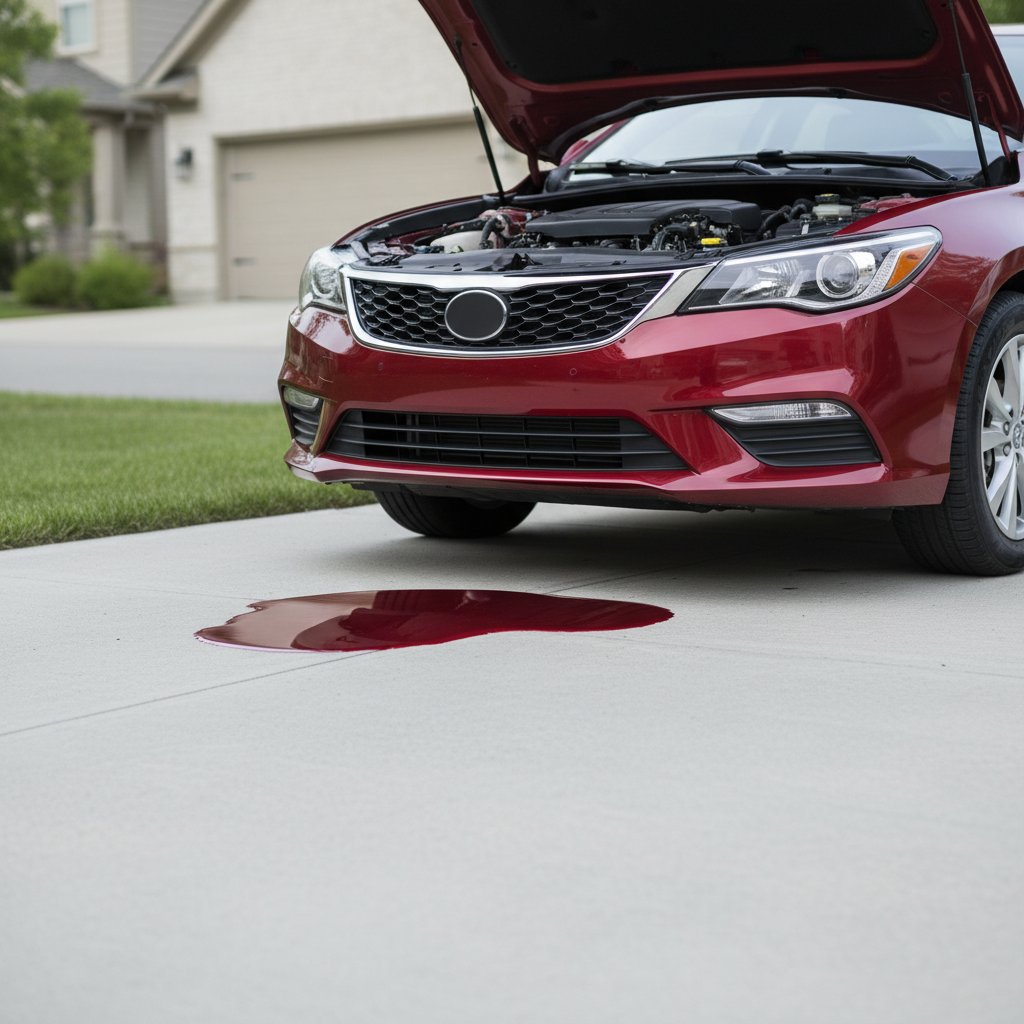
The good news is you can do a solid first check at home with basic tools and a calm, methodical approach. This guide focuses on practical checks that help you decide whether it’s a simple hose issue, a reservoir problem, or something deeper like the rack-and-pinion seals.
What power steering fluid looks like (and what it gets confused with)
Before you chase a “leak,” make sure you’re chasing the right fluid. A lot of people mistake engine oil, coolant, or even washer fluid for power steering fluid, especially once everything mixes with road grime.
Here’s a quick comparison you can use in your driveway. Color varies by brand and age, so use this as a guide, not a guarantee.
| Fluid | Common color | Typical feel/smell | Where it usually drips |
|---|---|---|---|
| Power steering fluid | Clear/amber (new), darker brown (old), sometimes red if ATF is specified | Oily, slightly sweet/petroleum smell | Front of engine bay, near belts/hoses, or near steering rack |
| Automatic transmission fluid (ATF) | Red/pink (new), brown (old) | Oily, sometimes sharper smell | Mid-front underside, around transmission pan/lines |
| Engine oil | Amber to black | Oily, “burnt” if old | Under oil pan, filter area, rear main area |
| Coolant | Green/orange/pink/blue | Watery, sweet smell | Front of engine bay, radiator, hoses, water pump area |
Quick reality check: some cars use ATF as power steering fluid, and some require a specific CHF-type hydraulic fluid. The cap or owner’s manual usually states it clearly.
Why power steering fluid leaks happen (real-world causes)
Leaks rarely start as “mystery events.” Most of the time it’s wear, heat, and vibration doing their thing for years.
- Aging rubber hoses crack, swell, or seep at the crimps, especially near the pump where heat is higher.
- Loose or corroded clamps allow slow seepage that only shows up after long drives.
- Pump shaft seal wear can sling fluid around the pulley, so the leak looks worse than it is, but it still matters.
- Reservoir issues like hairline cracks, bad O-rings, or a leaking cap seal cause messy, confusing wet spots.
- Rack-and-pinion seal leaks often show up at the ends of the rack, sometimes hiding under the bellows boots.

Self-check checklist: are you dealing with a leak or just low fluid?
This is the “don’t overthink it” section. You’re trying to answer: is fluid leaving the system, or was it just neglected and never topped off?
- Fluid level drops again after topping off within days or a couple weeks: leak is likely.
- Wet, shiny buildup on hoses, fittings, pump body, or around the rack: seep or leak.
- Whining/groaning when turning, especially at low speed: often low fluid or air in the system.
- Foamy fluid in the reservoir: air intrusion, commonly from low fluid or a suction-side leak.
- Burning smell or smoke near the belt area: fluid can hit hot surfaces, and that’s a “stop and inspect” moment.
According to NHTSA, steering-related defects can affect vehicle control, so if the steering suddenly feels inconsistent or heavy, it’s smart to treat it as a safety issue, not just a maintenance task.
Step-by-step: how to check for a power steering fluid leak at home
This method aims to help you locate the source without special tools. Work on a cool engine when possible, and use common sense around moving belts.
1) Confirm the correct fluid and baseline level
- Find the power steering reservoir cap and read what fluid type it calls for.
- Wipe the dipstick (if equipped), reinsert, then read the level.
- If it’s low, top off a small amount and note the level so you can track changes.
Key point: overfilling can push fluid out of the cap vent and mimic a leak, so add in small increments.
2) Clean suspect areas so you can see fresh seepage
- Use shop towels to wipe the reservoir, hoses, pump body, and fittings.
- If everything is greasy, a gentle degreaser helps, but avoid soaking electrical connectors.
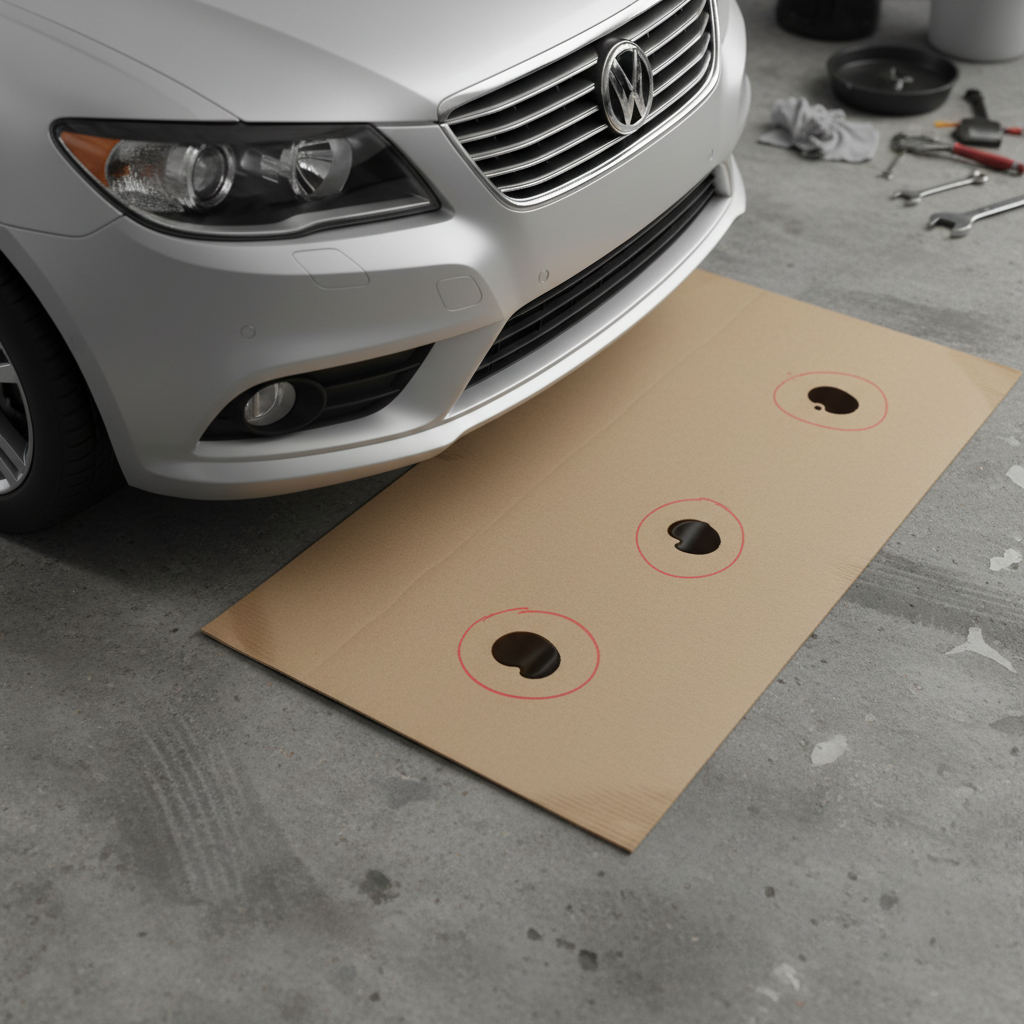
- Place clean cardboard under the engine bay overnight to see where it drips.
3) Inspect the common leak points (in this order)
- Reservoir and cap: look for wetness around the seam, cracks, and cap gasket.
- Low-pressure return hose: check for wet clamps and soft, swollen rubber.
- High-pressure line: look for damp fittings and wet crimps, especially near the pump.
- Pump pulley area: fluid around the pulley or sling marks can suggest a front seal leak.
- Steering rack: inspect the rack body and the boots at each end for wetness.
4) Use a simple “turn test” to reveal active leaks
With the car parked, engine running, and the hood open, have a helper slowly turn the steering wheel left to right while you watch the hoses and pump area. Turning increases pressure and can reveal small leaks.
- Watch for fresh wetness forming at fittings.
- Listen for pump whining that changes as you steer.
- If the fluid foams up in the reservoir, stop and re-check for low level or suction leaks.
Safety note: keep hands, hair, and clothing away from belts and fans. If you’re not comfortable, skip this and do a visual inspection only.
What your findings usually mean (quick diagnosis guide)
Once you have fresh drips or wet spots, you can often narrow it down.
- Wet clamp on a soft return hose: many cases improve with a new hose and clamp, but make sure the hose isn’t splitting near the end.
- Fluid on pump body/pulley: pump seal wear is possible; sometimes the pump replacement is more practical than seal work.
- Wetness at a metal line fitting: could be a loose fitting or damaged O-ring, overtightening can make it worse.
- Rack boots wet or dripping: rack seal leak is likely; this tends to be a bigger job and often needs professional equipment.
- Only the reservoir top is messy: overfill, cap seal, or fluid pushing out after aggressive turning can be the story.
Practical fixes you can try (and what to avoid)
Some fixes are reasonable DIY, others are where people lose time and still end up towing the car.
DIY-friendly actions (for minor seepage or early leaks)
- Tighten loose clamps on the return line, gently, and only if you can clearly see seepage at that point.
- Replace the return hose if it’s wet, soft, or cracked. It’s usually low pressure and accessible.
- Replace reservoir cap or O-ring if the mess is localized at the top and the reservoir looks intact.
- Top off correctly and monitor using the right fluid type, then re-check levels over the next week.
What to be careful with
- Stop-leak additives can sometimes swell seals and reduce small leaks, but results vary, and in some systems they create new problems. If you’re considering this, it’s worth asking a trusted mechanic first.
- Mixing fluid types is a common mistake. Some fluids don’t play nicely together, and steering feel can suffer.
- Overtightening fittings can strip threads or crush sealing surfaces, then you’ve upgraded a seep into a real leak.
According to AAA, keeping up with routine fluid checks is a basic way to reduce the chance of breakdowns, and power steering fluid is one of those “out of sight, out of mind” items until it becomes urgent.
When it’s time to stop driving and get professional help
Some situations are not “finish your errands and deal with it later.” If any of the below happens, it’s safer to limit driving and consult a qualified technician.
- Steering becomes suddenly heavy or inconsistent when turning.
- Fluid level drops quickly and you need frequent top-offs to keep steering normal.
- Visible spraying near the pump or lines during the turn test.
- Rack-and-pinion leak suspected, especially if boots are wet and dripping.
- Burning smell or smoke from fluid contacting hot components.
Also, many newer vehicles use electric power steering and won’t have power steering fluid at all. If you can’t find a reservoir and the steering feels off, a scan tool diagnosis may be needed.
Conclusion: keep it simple—confirm, locate, then decide
If you’re figuring out how to check car power steering fluid leak, don’t start by guessing parts. Confirm the fluid, clean the area, use cardboard to track drips, then inspect the reservoir, hoses, pump, and rack in a sensible order.
Your next move can be small and practical: check the level today, take two minutes to look for fresh wet spots after a short drive, and if the steering feel changes fast, treat it as a “book a shop” issue rather than a weekend experiment.
FAQ
How do I know if the leak is power steering fluid or transmission fluid?
Color alone can mislead because some power steering systems use ATF. The better clue is location: power steering leaks often show near the pump, reservoir, or steering rack, while transmission leaks more often appear around the transmission case and cooler lines.
Can I drive with a small power steering fluid leak?
Sometimes you can, but it depends on how fast the level drops and whether steering feel changes. If you’re topping off frequently, or the steering gets heavy, driving further can risk pump damage and may be unsafe.
What’s the easiest way to find where it’s leaking from?
Clean the suspected area, then place cardboard under the front overnight. Fresh drips give you a starting point, and a short “turn test” can reveal pressure-side leaks at fittings.
Why does my car whine when I turn the wheel but I don’t see a puddle?
A slow leak can evaporate or spread along components instead of dripping straight down. Low fluid, aerated fluid, or a suction-side issue can also cause whining without an obvious puddle.
Should I use a stop-leak product for power steering?
It can reduce minor seepage in some cases, but results vary by system and seal condition. If the leak is active or the rack is involved, you may lose time and still need repairs, so it’s reasonable to ask a mechanic before trying it.
How often should I check the power steering fluid level?
A quick check during oil changes is a realistic habit for most drivers. If you suspect a leak, check more often for a week or two so you can see whether the level is stable.
What if my car has electric power steering?
Many electric systems don’t use hydraulic fluid at all, so there’s nothing to leak in that sense. If steering feels abnormal, the issue may be electrical or sensor-related, and a professional diagnosis is usually the next step.
If you’re trying to pinpoint a leak but the wet area is everywhere, or you’d rather not crawl under the front end, a local shop inspection can be the more efficient route. A mechanic can pressure-test, verify the exact source, and help you avoid replacing parts that weren’t the real problem.